Factors Influencing the Pricing of Labradorite Stones


Intro
Labradorite stones have captured the eye of many, from jewelry designers to rock hounds, thanks to their unique play of colors and metaphysical properties. As more collectors delve into acquiring these captivating stones, understanding the price dynamics becomes crucial. The world of labradorite pricing isn't just about glancing at a price tag. Instead, it encapsulates intricate details about the stone’s quality, its source, craftsmanship involved, and prevailing market trends—elements that can most certainly affect a buyer's experience.
In this exploration, we will unpack various factors that contribute to the overall pricing of labradorite stones. What does one need to look for when assessing value? How do market demands shape pricing? With the answers to these questions, inexperienced buyers and seasoned collectors alike can gain a clearer view of what they should know before making a purchase.
Let's kick things off by examining the types of collectibles available in the realm of labradorite. This lays the groundwork for understanding the variance in pricing.
Types of Collectibles
Overview of Collectible Categories
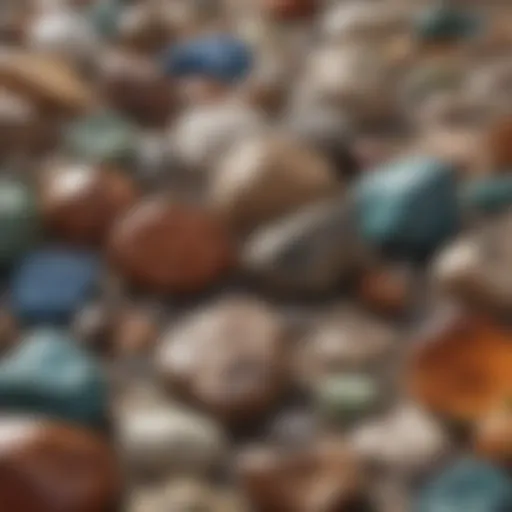
Collecting labradorite can be as diverse as the stones themselves. There are different categories that enthusiasts typically engage with. Broadly speaking, these can be divided into:
- Raw Specimens: Unpolished stones, often sought after by purists and collectors who appreciate their natural state. These pieces can range widely in price based on quality and size.
- Polished Cabochons: These are smooth, polished stones perfect for jewelry making. They often contain the stunning labradorescence that attracts many buyers.
- Jewelry: Finished products like necklaces or rings that incorporate labradorite stones. The craftsmanship here can significantly impact the price.
- Artistic Creations: Sculptures or decorative items made from labradorite, which can fetch high prices depending on the artist's reputation and techniques.
Understanding these categories is vital as it sets expectations regarding the varying prices you might encounter in your search for integration of labradorite into your collection.
In-Depth Look at Each Category
- Raw Specimens are adored not just for their earthy beauty but also for the geological storytelling they provide. A large piece might fetch a couple of hundred dollars, while smaller fragments may be less than twenty dollars. The rarity of the stone and the quality of the included labradorescence can substantially change the pricing.
- Polished Cabochons typically retain the best color play and sheen, which makes these sought after in the crafting of bespoke jewelry. Depending on the size and quality of the ornamental finish, these can range from $10 to well over $100.
- Jewelry pieces vary widely too. A simple labradorite pendant might start at $30, while intricately designed rings may sell for several hundred dollars. The metal, the design complexity, and craftsmanship heavily affect these prices.
- Artistic Creations are often the most unique, combining both labor and artistry. A stunning sculpture made from labradorite could cost anywhere from a few hundred to several thousand dollars, depending on the artist’s recognition and the intricacy of the work.
Understanding which category your interest lies can help streamline your search process and provide clarity about potential pricing.
Tip: When considering your options, think about what resonates with you personally rather than a purely speculative investment in market trends.
With this groundwork in place, your understanding of pricing labradorite stones can be elevated, setting the stage for delving into identification techniques next.
Foreword to Labradorite Stones
Labradorite stones have captured the attention of many collectors and jewelry enthusiasts, making them a staple in the world of gemstones. Understanding the pricing of these captivating stones is pivotal for anyone looking to invest in them. Knowledge about their unique qualities can help buyers make informed decisions, ensuring that they do not just get a pretty rock but rather an authentic piece of nature's artistry.
This section provides a foundation for comprehending what labradorite is, the geological properties that affect its value, and the vibrant characteristics that distinguish it within the gem market. By familiarizing oneself with any stone’s industry, one enhances their appreciation for its history and the intricacies of the trade. Therefore, a deep understanding of labradorite not only enriches the buyer’s experience but also increases the chances of making a worthwhile investment.
What is Labradorite?
Labradorite is a feldspar mineral that stands out due to its remarkable optical properties. Often found in shades of gray, brown, or black, what sets it apart are the stunning colors that dance across its surface when light interacts with it. This phenomenon, known as labradorescence, showcases vibrant blues, greens, and sometimes even fiery oranges and reds, making each piece unique. Its appeal has surged in recent years, and as a result, collectors and jewelers alike are on the lookout for high-quality specimens.
Geological Properties
Formation
Labradorite forms from the slow cooling of molten rock, developing in igneous environments. Its formation typically occurs within the Earth's crust, often in volcanic regions. This lengthy process imbues labradorite with an array of internal structures that contribute to its distinct color play. What’s more, the mineral's growth conditions can produce various forms with differing tapping patterns, impacting not only its beauty but also its price point. The rarity of well-formed labradorite specimens contributes to their desirability, which is pivotal when it comes to pricing.
Composition
The chemical composition of labradorite mainly consists of calcium and sodium, which places it within the larger group of plagioclase feldspar. Its unique properties stem from a specific ratio of these two elements. This characteristic composition can influence the stone's durability and how it reacts to various environmental factors. Different compositions can also affect the intensity and range of colors displayed in the stone. Awareness of these elements is critical for collectors; pricing can reflect the stone's structural integrity alongside its aesthetic value.
Color Variations
Labradorite is renowned for its mesmerizing color variations, which can greatly influence its pricing. The stone’s ability to showcase a stunning visual spectrum arises from the interference of light within its layered structure. Each color shift, from subtle greens to vivid blues, can evoke different market values. Rare color combinations or particularly vibrant hues tend to fetch higher prices as they are more sought after by collectors. The conversation surrounding color variations isn’t just about beauty; it’s about the narrative they weave and what makes a piece special in a market flooded with options.
"Understanding the nuances of labradorite is akin to peeling back layers of history and beauty—each stone tells a story."
In order to truly grasp the nuances among labradorite stones, one must consider these geological factors. Knowledge in this area provides robust insight into both the aesthetic appeal and the financial investment involved in purchasing these stunning stones. The next sections will delve into historical context and market dynamics, further illuminating the path toward informed collecting.
Historical Significance of Labradorite
Historically, labradorite has held a significant place in various cultures, making it much more than just an attractive gemstone. It has been revered for its mystical properties and beauty, influencing art, culture, and trade for centuries. Understanding the historical context of labradorite can provide insights into its current pricing and desirability in the market today.
Cultural Uses


Labradorite is often viewed as a stone of transformation, thought to enhance the intellect and intuition of its possessor. In indigenous cultures, such as the Inuit people of Canada, labradorite was cherished for its supposed power to provide insight and enlightenment. Various myths surround this stone, claiming it to have magical features, like giving access to other realms.
In the realm of jewelry, labradorite's unique color play—an iridescence known as labradorescence—makes it a favored choice among artisans. In some cultures, it's believed that wearing labradorite can shield against the negative energies, making it a top pick for personal adornment.
Interestingly, some artists have found inspiration in this stone's alluring glow, integrating it into the design of sculptures and artistic pieces. The effect of light on the stone has earned it the nickname “the stone of the Northern Lights.” This connection to nature not only imbues the stone with layers of meaning but adds to its value in the eyes of collectors.
Historical Trade
The trade of labradorite can be traced back to at least the 18th century when it was first discovered in Labrador, Canada. As explorers and traders moved through Canada and other territories rich in natural resources, labradorite began to make its way to markets in Europe and beyond. Its rarity due to the unique geological conditions required for its formation also played a role in its early trading values.
In the centuries that followed, labradorite made a name for itself in various jewelry pieces and patterns of global decorating styles. The influx of demand led to sourcing efforts that extended far beyond its native land. Today, sources from Madagascar and Finland are highly regarded in the market, influencing pricing significantly.
Early trading records indicate that gemstone prices fluctuated dramatically based on both quality and rarity, factors that remain relevant in contemporary evaluations.
The significance of keeping the quality, craftsmanship, and historical essence in mind when pricing labradorite cannot be underestimated. As a gem that has journeyed through centuries of human culture, its value is intricately tied to the stories it carries with it.
As we continue, it is essential to appreciate how this historical significance reflects broader narratives in valuation, ultimately influencing the understanding of pricing trends today.
Factors Influencing Pricing
Source and Rarity
Geographic Locations
The geographical origins of labradorite significantly influence its price. Some regions are renowned for their high-quality specimens, making their stones much sought after. For example, labradorite from Madagascar often commands higher prices due to both its rarity and the stunning visual effects it produces. Whereas some stones may come from more common deposits, those sourced from places like Norway or Canada are generally viewed as more prestigious.
Rarity in sourcing is a double-edged sword; while stones from prized locations typically fetch higher prices, they can be challenging to find. This scarcity can tempt collectors but can also lead to inflated prices. Knowing where these stones are mined gives an important edge in understanding value.
Availability
The availability of labradorite is another crucial factor that shapes its pricing. Simply put, how easily can these stones be found? In recent years, the increase in demand has led certain sources to become depleted more quickly, pushing prices up. This aspect can create a bittersweet dilemma for buyers; while they may wish to invest in these natural wonders, understanding when and where to buy can lead to better pricing.
Additionally, availability isn't just about geographic sources. Seasonal fluctuations in mining activity or new finds can either squeeze or expand the market in no time flat. A savvy buyer will keep track of trends in availability to make informed choices—timing can truly be everything.
Quality Characteristics
Clarity
Clarity is a major quality characteristic impacting the pricing of labradorite stones. Stones with fewer inclusions and minimal imperfections tend to be more desirable, leading to a higher value in the market. A clear stone allows for the unique optical phenomenon known as labradorescence to shine through more distinctly.
What sets clarity apart is its contribution to the visual appeal of the stone. A brilliantly clear labradorite will catch the eye instantly, making it a focal point in jewelry design. It’s not just a matter of looking pretty; clarity can directly affect the resale value of a stone down the line.
Color Play
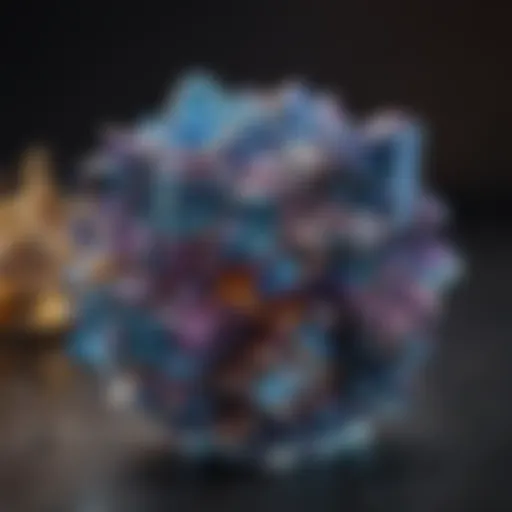
Color play, or labradorescence, is another standout trait that can dictate pricing. This phenomenon involves a spectrum of colors being visible within a single stone, resulting from light refraction within its structure. The more vibrant and varied the colors, the more appealing—and pricier—the stone becomes.
For example, stones that exhibit shades of blue or green are particularly sought after, while those with less dynamic color play can often be found at lower price points. Buyers look for stones that exhibit a robust, kaleidoscopic effect.
Size
Size can sometimes be a simple equation of supply and demand; larger stones are rarer and often command higher prices. However, the market also considers how well a larger stone presents its color play and clarity. A big but dull piece won't fetch as much as a smaller stone with vibrant hues.
Furthermore, size impacts its usability in jewelry making. A significant, beautifully colored piece can make a statement; thus, collectors often seek larger specimens for their unique presence. These factors combined lead to considerable price variations based on size alone.
Market Demand
Trends in Collecting
Recent trends in collecting can heavily influence the prices of labradorite stones. As the interest in natural gemstones rises, so does the demand for quality labradorite. Collectors are increasingly inclined towards stones that not only look beautiful but also carry a story. Trends can shift rapidly, making it essential for potential buyers to remain in tune with what’s popular.
For instance, the current wave emphasizes ethically sourced stones, which can sometimes push prices higher due to their sought-after status. Keeping tabs on collecting trends can offer insights into when to buy or sell labradorite stones efficiently.


Impact of Fashion
Fashion trends also play a significant role in shifting market demands. For example, if a well-known designer features labradorite in a high-profile collection, prices can soar with the hype. Similarly, social media trends can quickly elevate particular stones to celebrity status, commanding higher prices.
The impact of fashion can ebb and flow; therefore, buyers must stay alert to shifts in style and consumer preferences. Knowing when the tide of fashion is in one's favor can lead to smart investment opportunities.
Pricing Trends in Labradorite Market
Understanding the pricing trends in the labradorite market is critical for collectors and enthusiasts alike. This section helps to outline the evolving dynamics that govern the price of this captivating stone. By examining recent market behavior and anticipating future movements, buyers can make more informed decisions and enhance their collections wisely.
Recent Market Analysis
In recent years, the market for labradorite stones has seen a notable surge in interest. One significant factor contributing to this growth has been the increasing awareness and appreciation of unique gemstones among collectors. Social media platforms have played a pivotal role in this trend, as striking photographs of labradorite’s alluring play of colors circulate virally, capturing the imagination of potential buyers.
Recent sales data indicate that high-quality labradorite can command prices ranging from $30 to $100 per carat in retail settings. This pricing can vary widely based on quality characteristics such as clarity, intensity of color play, and overall aesthetic appeal. Interestingly, darker labradorite varieties with vivid flashes of color are becoming increasingly sought after, leading to higher price tags in gem shops.
"In a world where every stone tells a story, labradorite speaks of mystery, and its pricing reflects its tale."
Marketplaces that have witnessed genuine growth include online platforms like Etsy and eBay, enabling sellers to reach a broader audience. Additionally, a rising number of specialized gem shows have highlighted labradorite, providing both buyers and sellers a venue to engage directly, facilitating transparent pricing discussions. The emergence of these venues has often led to the development of a competitive environment, driving prices up for quality specimens.
Future Projections
Looking ahead, several trends suggest that labradorite will continue to flourish as a favorite among collectors. As sustainability becomes increasingly important to consumers, ethically sourced labradorite is likely to see amplified demand. This shift could result in a premium being placed on stones that boast environmentally sound extraction practices, which may further push prices upward.
Another factor to consider is the potential for new discoveries of labradorite deposits in unexplored regions. If new sources emerge with quality that rivals established locations, the overall market price may experience fluctuations. However, rarity will continue to play its part—stones from established sources like Madagascar or Finland are likely to maintain higher prices due to their esteemed reputation.
As fashion trends evolve, the incorporation of labradorite in fine jewelry may also impact pricing. Retailers who highlight labradorite in their collections, especially when paired with gold or silver, could see a significant uptick in consumer interest, thereby influencing pricing strategies accordingly. Keeping an ear to the ground for these shifts is essential for anyone wanting to navigate their investments in labradorite effectively.
The labradorite market, rich with layers of potential, remains a dynamic landscape where price trends can change rapidly. Understanding these trends can provide collectors the better advantage in their pursuits.
Where to Purchase Labradorite Stones
Finding the right place to purchase labradorite stones is a crucial step for anyone interested in collecting or using these unique gemstones. Understanding your options can aid significantly in ensuring that you acquire genuine and high-quality pieces. It’s not just a matter of where to buy; it’s about making smart decisions that enhance your collection, whether for personal delight or investment.
Online Marketplaces
In today’s digital age, online marketplaces have made it easier than ever to track down rare labradorite stones. Places like Etsy, eBay, and even dedicated gemstone websites offer a wide variety of options. The benefit of shopping online includes access to a broader selection than most local retailers can offer.
However, when buying online, buyers should be on their toes:
- Research the seller’s reputation: Look for reviews and ratings from previous buyers. A well-rated seller can often mean a smoother transaction.
- Check for return policies: Many reputable sellers provide an option for returns if the product does not meet expectations.
- Inquire about authenticity: A legitimate seller should be transparent about the stone’s origin and provide any certification available.
When purchasing labradorite stones online, it’s essential to consider the shipping costs and the potential for damage during transport. Carefully inspect the stones as soon as they arrive to make sure they match the seller's description.
Local Gem Shows
Local gem shows offer an excellent opportunity to purchase labradorite stones directly from vendors and artisans. These events often attract a variety of sellers, each looking to showcase their unique pieces.
Some advantages of attending gem shows include:
- Direct interactions: Engaging with sellers gives buyers a chance to ask questions about the stones. You can often request information about the origin and quality straight from the source.
- Immediate feedback: Examining stones in person allows for a tactile experience. Holding a piece of labradorite or examining its color play under different light can ensure it meets your standards.
- Networking with other collectors: Gem shows can be a perfect opportunity to meet fellow enthusiasts. Sharing insights and experiences can lead to valuable knowledge about future purchases.
Given the uniqueness of each stone, finding labradorite that truly resonates with you can take time and patience, but it is well worth the effort. As you navigate through these purchasing avenues, always remember to remain vigilant, prioritizing authenticity and quality.
Identifying Genuine Labradorite
When navigating the vibrant world of labradorite stones, distinguishing genuine specimens from imitations is crucial. Collectors and jewelry makers alike need to ensure they are purchasing authentic stones to preserve their investment and ensure quality in craftsmanship. Knowing the true physical characteristics of labradorite, along with common imitations, can save one from falling into the trap of their glittery counterparts that might not hold the same value.
Physical Characteristics
Genuine labradorite is renowned for its unique play of colors, commonly reflecting hues of blue, green, and gold as it catches the light. This phenomenon is known as labradorescence and is one of the main features that enthusiasts seek. To effectively identify genuine labradorite, consider these key physical traits:


- Color: Authentic labradorite showcases a spectrum of colors, predominantly blues, greens, and metallic grays, often shifting in appearance depending on the angle of light. If a stone appears overly uniform or lacks depth, it may not be genuine.
- Clarity: True labradorite typically exhibits some level of inclusions or veining. A completely flawless stone might be a red flag, indicating either treatment or imitation.
- Weight: Labradorite has a specific gravity that differs from similar-looking stones. If it feels unusually light or heavy compared to expectations, it may not be what it claims to be.
- Hardness: This stone ranks about 6 to 6.5 on the Mohs scale. When tested, genuine labradorite should withstand minor scratches from a steel file. If it scratches easily, it's likely a synthetic or softer stone.
Remember that each stone tells a story; understanding its narrative guides your purchasing decisions.
Exploring these characteristics will not only help identify genuine labradorite but also set a solid foundation for your collection.
Common Imitations
The rise in popularity of labradorite has inevitably led to numerous imitations flooding the market. Whether through synthetic means or the clever use of other minerals, it’s vital for collectors to be aware of these lookalikes:
- Synthetic Labradorite: Advances in technology have led to the creation of labradorite-like stones in controlled environments. While they may mimic the appearance of the natural counterpart, they often lack the depth and unique characteristics that define genuine specimens.
- Glass or Resin: Some imitations are crafted from glass or plastic resin that are colored to resemble labradorite. These materials are usually lighter and can have an unnatural shine, which genuine stones lack. Often, they do not exhibit the same labradorescence as real stones, appearing flat or overly artificial.
- Other Stones: Stones like sunstone or even certain types of opal can sometimes be sold as labradorite. Though they may reflect similar colors, a deeper understanding of their unique traits is necessary to differentiate them.
Negotiating Prices
When it comes to purchasing labradorite stones, negotiating prices might seem like a daunting task. However, understanding the dynamics of negotiation can lead to a more favorable price. Negotiating isn't just about getting the lowest price possible; it's also about ensuring that you feel satisfied with the value you are receiving. Each stone has its unique qualities, and recognizing those can help you make a strong case during negotiations.
High-quality labradorite stones can carry hefty tags, but knowing how to navigate price discussions can provide you a significant edge. Factors such as the seller’s motivations, the time of year, and market demand can all influence how flexible a seller might be with their pricing. For instance, if a seller has an abundance of stones or if the demand is low, you may have more leverage to negotiate.
Understanding Seller Strategies
Sellers of labradorite stones often utilize various strategies; being aware of these can bolster your negotiating position. Many sellers may start with an inflated price to leave room for bargaining. This common strategy is designed to ensure they still make a profit while allowing buyers to feel they've secured a deal.
Here are some strategies sellers might employ:
- Anchoring: They set a high initial price (the anchor) to influence your perception of what a fair price is.
- Bundles and Discounts: Offering multiple stones at a discount can make it seem like you’re getting more value, even if the individual prices are still high.
- Fluctuating Prices: Be cautious of sellers who frequently change their prices based on perceived buyer interest. This tactic can pressure you into making a quick decision.
Recognizing these tactics can empower you during negotiations. If you encounter an initial price that seems steep, consider pushing back respectfully with comparable prices you’ve seen elsewhere or highlight any uncertainties regarding the quality of the stone.
Making Informed Offers
Making an informed offer requires a combination of research and intuition. Before you set your sights on a particular stone, familiarize yourself with the current market trends. This includes knowing the typical pricing for stones of similar quality and characteristics.
To craft an intelligent offer, consider the following steps:
- Research Recent Sales: Look into recent sales of similar labradorite stones. Websites like eBay or specialty gem sites can be valuable resources.
- Assess the Quality: Evaluate the specific characteristics of the stone in question—its clarity, color play, and size—which are all crucial pricing factors.
- Set Your Range: Based on your research, decide on a range of what you would feel comfortable paying. This way, you can remain flexible while still focusing on your budget.
- Build Rapport with the Seller: Establishing a good relationship can often lead to better negotiations. This may involve expressing genuine interest in the stone’s features or history, which can humanize the transaction and often lead to better terms.
"A well-prepared buyer often finds the treasure buried beneath the surface price."
Negotiating labradorite prices isn't just about numbers; it's about understanding the elements at play. Engage respectfully with sellers and come armed with knowledge. It’ll boost your confidence as you aim to strike the ideal balance between obtaining beautiful labradorite stones and managing your budget.
Care and Maintenance of Labradorite Stones
Maintaining labradorite stones is integral not just for preserving their allure but also for ensuring that their intrinsic value is upheld over time. As these stones can be quite delicate, understanding proper care methods is beneficial for collectors and enthusiasts alike. A regular cleaning and mindful storage can keep these gems expressing their characteristic play of colors, enhancing their visual appeal and market worth.
Cleaning Techniques
Cleaning labradorite requires a gentle touch. For day-to-day upkeep, simply wiping the stone down with a soft, lint-free cloth is often enough to remove dust and fingerprints. However, when the stone requires a deeper clean, here are several straightforward techniques:
- Mild Soap Solution: Prepare a solution using a few drops of mild dish soap and lukewarm water. Dip a soft cloth into the mixture and gently wipe the stone. Rinse under lukewarm water afterward to wash away soap residues.
- Avoid Harsh Chemicals: It's crucial to steer clear of abrasive cleaners and harsh chemicals, as these can scratch or dull the surface of the stone.
- Dry Thoroughly: After cleaning, gently pat the stone dry with a soft towel. Ensuring it is completely dry before storage helps prevent moisture-related issues, which can lead to damage over time.
"Proper cleaning can not only showcase the unique colors of the labradorite but can also greatly extend its life by preventing damage."
Storage Recommendations
Storing labradorite stones neatly is as vital as cleaning them. Improper storage can lead to scratches, chips, and unwanted damage. Here are some effective recommendations:
- Soft Pouches or Boxes: Use soft pouches made from cloth or dedicated jewelry boxes with a soft lining. This prevents the stones from scratching each other when stacked or stored together.
- Avoid Direct Sunlight: Store labradorite away from direct sunlight, as prolonged exposure can affect the stone's characteristic luster and color. A cool, dark place is ideal.
- Separate Storage: If you possess multiple stones or pieces of jewelry that include labradorite, it’s wise to store them separately. This minimizes the risk of scratches from contact with harder materials.
By following these cleaning and storage practices, collectors can ensure that their labradorite stones remain not only a delight to the eye but also a sound investment over the years.
The End
Within the realm of collecting and crafting, the nuances of labradorite go beyond mere aesthetics; collectors should be aware of how geographical sources influence both availability and price points. Shedding light on the significance of ethical sourcing practices can open one's eyes to the importance of purchasing from reputable sellers.
Moreover, gaining insight into the quality characteristics—such as clarity, size, and captivating color play—enables buyers to make informed decisions. As the market fluctuates with evolving trends, these factors may shift, but the essence remains: a well-informed collector will always navigate the murky waters of pricing with confidence.
"Being knowledgeable is your greatest asset in the intricate world of gemstones."