Discovering the Beauty and Science of Picture Agate

Intro
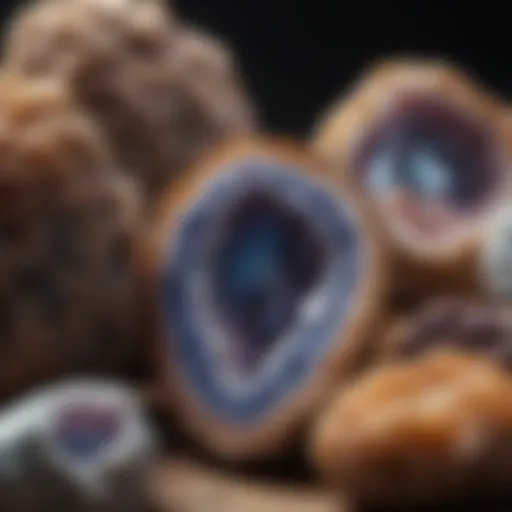
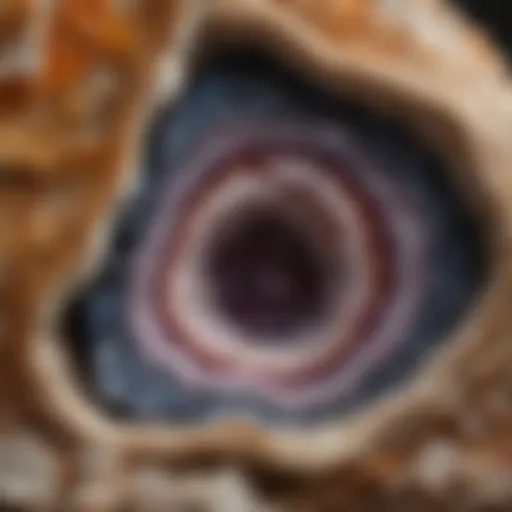
Picture agate, a form of chalcedony, stands out for its stunning designs that evoke landscapes, seascapes, and even abstract art. These striking patterns emerge from the unique way minerals are deposited and crystallized over time, creating a bold tapestry that intimately connects geology and aesthetics. For those who collect minerals, picture agate offers more than just beauty; it embodies a long history and a deep appreciation for the natural world.
As we delve into this article, we will explore the many facets of picture agate. From its geological formation to the historical significance behind its use, collectors have much to gain from understanding its intricacies. Whether you are new to the world of mineral collecting or an experienced enthusiast, this comprehensive overview will illuminate the features, identification methods, and care strategies for these captivating stones.
Types of Collectibles
Overview of Collectible Categories
While picture agate is a treasure of its own, it exists within a broader realm of mineral collectibles. Each category presents opportunities for enthusiasts to deepen their collections:
- Rough specimens: Untreated and in their natural state, these stones allow collectors to appreciate raw beauty.
- Polished pieces: These enhanced stones often show off brilliant colors and designs, making them popular for display.
- Jewelry and adornments: Picture agate is frequently fashioned into pendants, rings, and beads, thus intermingling art and geology.
- Cabochons: Smooth, polished stones used primarily in jewelry-making that highlight the agate's unique patterns.
These various categories offer collectors the chance to specialize and express their personal tastes, whether through the raw elegance of rough stones or the refined finish of polished collectibles.
In-Depth Look at Each Category
Exploring these categories further can help collectors identify what might intrigue them the most.
Rough Specimens
Rough picture agate pieces bear the evidence of their geological history. Each stone tells a story; some may showcase juxtaposed layers of color and texture from the earth's processes. They serve as a superb addition to mineral displays and educational settings.
Polished Pieces
Once polished, picture agate’s intricate designs become visible, almost inviting the viewer to lose themselves within the patterns. These pieces make compelling conversation starters and decorative items, often displayed in homes or galleries.
Jewelry and Adornments
The allure of wearing picture agate cannot be overstated. Crafted into pendants or bracelets, the stone transforms into wearable art; it's a fusion of style and nature that many collectors cherish.
Cabochons
Cabochons are especially sought after by jewelers for their smooth finish and aesthetic appeal. Cut from larger agate pieces, they preserve the mineral’s patterns while lending themselves beautifully to custom jewelry designs.
Identification Techniques
Essential Tools for Collectors
For anyone venturing into the world of mineral collecting, a few essential tools can greatly augment the identification process. Consider the following:
- Loupe or magnifying glass: Perfect for examining internal features and surface patterns.
- Field guide: An invaluable resource that helps distinguish various types of agates and similar minerals.
- Mohs hardness kit: Essential for assessing a mineral's hardness, which aids in identification.
- Digital camera: Useful for documenting finds and comparing them over time.
Identification Methods for Rocks and Minerals
Identifying picture agate requires a combination of careful observation and practical methods:
- Visual inspection: Start by examining the color and patterns. Picture agate often resembles landscapes or scenic views.
- Translucency test: Hold the stone to light; the way it transmits light can provide clues about its composition.
- Scratch test: Using a Mohs hardness kit, test the material against known standards to determine its hardness and differentiate between similar stones.
- Consult experts: When in doubt, experienced collectors and local geology groups can provide insights and validation.
Understanding the identification techniques enhances your knowledge and confidence as a collector. Each piece you acquire holds a world of geological history, waiting to be appreciated.
Preamble to Picture Agate
Picture agate stands out as one of the most intriguing varieties of chalcedony, attracting collectors, gem enthusiasts, and historians alike. Its allure lies not only in the stone’s striking visual patterns but also in its geological composition and historical significance. Understanding picture agate is like peeling back layers of natural artistry fused with ancient stories, making it a vital topic for anyone interested in geology or mineral collecting.
The importance of picture agate extends beyond mere aesthetics. Each piece of this stone often resembles picturesque landscapes, evoking imagery of forests, mountains, and other natural formations. These features allow enthusiasts to engage with the stone on a personal level, sparking imagination and a sense of connection to the Earth.
Exploring the characteristics and origins of picture agate can deepen one's appreciation for this fascinating mineral. There are countless stories encapsulated within each piece, from its transformation through geological processes to its use in various cultures over time. By at least scratching the surface of its definition and historical context, collectors can gain insights that enhance their exploration and acquisition of picture agate specimens.
"In the world of minerals, picture agate is not just a stone, it is a storybook waiting to be read."
Definition and Overview
Picture agate is a type of chalcedony that derives its unique appearance from the interplay of minerals within its structure. This variety typically presents vivid, bold colors and intricate patterns reminiscent of landscapes. While similar stones may lack the distinctive imagery found in picture agate, it's this particular aspect that appeals to many collectors.


The stone forms in volcanic regions, where silica-rich fluids permeate existing rocks. Over thousands of years, these fluids crystallize, allowing the characteristic patterns to emerge. The results can range from abstract swirls to clearly defined shapes resembling flora or mountains.
Knowing the dense stratification of picture agate is crucial. Many collectors seek to identify specific characteristics, such as color zoning and clarity, that can differentiate various specimens. The stone can manifest different hues—ranging from deep reds to soft blues—based on the mineral content during its formation.
Historical Context
Historically, picture agate has captured the imagination of people around the globe. In ancient times, it was used by various cultures for both practical and ceremonial purposes. For instance, Native American tribes fashioned tools and ornaments from agate, believing it to possess protective and healing properties.
Artifacts made of picture agate have been discovered in archaeological sites, serving as evidence of its longstanding significance. Cultures in the Middle East and Asia also valued this stone, utilizing it for amulets and decorative items, highlighting its dual role in both utility and artistry.
The historical significance of picture agate continues to be relevant today, where its use has evolved but not diminished. Modern-day artisans and jewelers often incorporate it into their designs, emphasizing its beauty as well as its rich background. This evolution is reflective of how picture agate has transcended time and culture, turning it into a cherished piece for both display and collection.
Geological Origins
The geological origins of picture agate lay the foundation for understanding its unique qualities. This stone, a type of chalcedony, is not only admired for its visual appeal but also for the natural processes that create such captivating patterns. In the realm of mineral collecting, appreciating how picture agate is forged in the earth adds significant depth to its allure. Knowing its geological background helps collectors recognize where to seek out the finest specimens and understand their value better.
Formation Processes
Picture agate forms through a fascinating series of geological processes that often span millions of years. Essentially, it is a product of the slow deposition of silica and other minerals in the cavities of volcanic rock. As silica-rich solutions fill these empty spaces, they start to harden, forming layers of agate. It becomes particularly interesting when you consider that the colors and patterns found in picture agate are influenced by the impurities present in the silica, such as iron, manganese, and other trace elements.
The process can be broken down as follows:
- Silica Gel Formation: It begins with the formation of silica gel, which fills a cavity in volcanic rock. This gel is a hydrated form of silicon dioxide.
- Layering: As time passes, layers of silica crystallize, resulting in distinct ring patterns. Each layer holds its own unique color or clarity based on environmental conditions during its formation.
- Mineral Involvement: The inclusion of other minerals alters the hue. For example, iron can create reddish hues, while copper may impart blue or green shades.
- Weathering Influence: Erosion plays a role too, as surface exposure may reveal the stone's intricate designs, allowing collectors to find these gems embedded in riverbeds or cliff faces.
This layered formation is akin to a geological diary, chronicling the environmental conditions of the area over epochs. The interplay of these elements defines the intricate patterns and formations seen in picture agate.
Regional Variations
Just as recipes differ from one chef to another, picture agate exhibits regional variations that are as unique as the landscapes from which they emerge. The most renowned deposits can be found in areas like the United States, Brazil, and Madagascar. Each of these locations contributes a distinct flavor to the appearance of the stone.
- United States: In the western U.S., particularly in places like Oregon and Arizona, picture agate often showcases bold, vibrant patterns resembling fiery sunsets or rugged terrains. This region's volcanic activity has largely influenced the color spectrum.
- Brazil: Brazilian picture agate typically features softer tonalities, with pastel colors that evoke serene skies. These stones often hold a translucent quality, making them prized by artisans.
- Madagascar: This region produces some of the most intricately patterned agates in the world. With swirls and shapes resembling landscapes, Madagascar's picture agate is often sought after for its artistic renditions of nature.
Regional varieties provide collectors with an adventurous treasure hunt, each piece telling a story unique to its origin.
By understanding regional variations, collectors can appreciate not just the beauty of picture agate but also its provenance, deepening their connection to the mineral.
Visual Characteristics
Understanding the visual characteristics of picture agate is pivotal for collectors and enthusiasts alike. These characteristics not only define the aesthetic appeal of the stone but also serve as vital indicators for identification and valuation. Given that picture agate often showcases intricate patterns resembling landscapes, recognizing the subtleties in design can deepen appreciation and enhance collection quality. Patterns and colors, along with surface texture, can vary greatly, which makes the study of these elements both fascinating and essential.
Patterns and Colors
Picture agate is famous for its unique patterns and colors, each piece narrating a different story. The swirling designs found in this stone can mimic everything from serene mountain ranges to turbulent oceans, sparking the imagination of anyone who gazes upon it. The patterns can range from delicate wisps of color to bold, dramatic streaks. Different hues—often including earthy tones like browns, creams, and blacks—intertwine to create captivating visuals.
These patterns form as a result of natural geological processes and can often reflect the environment in which they were formed. Collectors often seek specific designs that resonate with their personal aesthetic preferences or hold symbolic meanings. For example, some may find themselves drawn to pieces that remind them of nature, symbolizing tranquility and resilience. An intricate landscape pattern in picture agate can serve as more than a decorative element—it's a conversation piece, an aesthetic journey etched in stone.
Additionally, the coloration of picture agate isn't merely for show—it often signifies the mineral content and formation conditions. Higher concentrations of iron can lead to rich reds and browns, while different oxides contribute to the diversity of pastel shades. This understanding allows buyers to gauge the age and regional origins of the stone based on its visual traits. In the world of mineral collecting, a keen eye for these details can lead to smarter purchasing decisions and a more robust collection.
Surface Texture
Surface texture plays a significant role in the allure of picture agate. Unlike smoother stones, this variety can exhibit a range of tactile sensations, from rough and unpolished to exquisitely polished finishes. The texture often reflects the stone's journey, whether it’s been naturally shaped by waters or skillfully crafted by skilled artisans.
When evaluating the texture, collectors can note whether the surface feels silky and cool to the touch, often indicative of high-quality polishing. A rougher surface might suggest a more natural state, perhaps with its unique formations well preserved. In some cases, unique textures can enhance the visual impact, making certain pieces stand out due to their tactile differences.
Moreover, certain crafting techniques can also contribute to modifying the surface texture. For instance, lapidaries polish the stone to enhance its visual characteristics, giving it a glass-like sheen that brings out the rich colors. On the flip side, stones left in their natural state can often provide a more organic feel, appealing to purists who appreciate the authenticity of a naturally wrought agate piece.
Identification Techniques
Identifying picture agate requires a blend of keen observation and practical tests. This task is crucial for anyone looking to collect or use this stunning stone, as misidentifying it can lead to disappointment or misinformed purchasing decisions. Understanding how to differentiate picture agate from other similar stones, and even from synthetic imitations, opens up a world of informed mineral collecting.
Visual Identification
Visual cues play a pivotal role in recognizing picture agate. The stone showcases unique patterns that resemble natural images, often depicting landscapes or other forms. Here are some of the hallmarks to look out for:
- Pattern Recognition: Look for intricate swirls or formations that seem to tell a story. They can mimic mountains, forests, or even clouds. If you can’t quite make out a scene, don’t worry; the beauty of picture agate often lies in its abstract designs.
- Color Range: Picture agate is known for its rich earthy tones. Expect to see combinations of browns, reds, and whites, often blending together in a way that mimics nature. The colors should be well-defined, with some regions having a slight translucence.
- Luster: When polished, the surface of picture agate should exhibit a smooth, glossy finish. Hold it up to the light; a genuine piece will reflect it beautifully. Dull areas might indicate a low-quality specimen or one that hasn’t been properly finished.
"Quality picture agate will catch your eye, but it’s the nuanced details that will speak to your intuition as a collector."
- Inclusions: Inspect for small inclusions or imperfections. These sometimes communicate the stone's authenticity. Every piece of picture agate tells its own tale through these minute details.
Visual identification is a good starting point, yet it shouldn't be the only method employed.
Physical Tests
To confirm the identity of picture agate, conducting physical tests can provide a deeper assurance. Here are a few methods commonly used:
- Scratch Test: This test involves scratching the surface of the stone with a material of known hardness. Picture agate should typically rank 6.5 to 7 on the Mohs scale, which means it's resilient enough that only a stronger mineral would leave a mark. If your fingernail scratches it easily, it's likely not agate.
- Weight Check: Compare the weight of the specimen against other stones of similar size. Genuine picture agate tends to feel heavier than many fakes, especially glass or resin-based imitations.
- Acid Test: A small drop of vinegar or lemon juice can help discern calcite imitations. If effervescence occurs, the stone is probably not agate.
- Water Test: Place the stone in water. Genuine picture agate will not absorb water, while porous imitations might become darker.
Understanding how to visually and physically identify picture agate enriches not just the collecting experience but also fosters a deeper appreciation for this unique mineral. As you fine-tune your skills in identification, the journey of collecting becomes not only about acquisition but a celebration of geological art.
Cultural Significance
The cultural importance of picture agate cannot be underestimated. This unique gemstone has been more than just a decorative accessory or collector's item. It holds deeper meanings and significance across various societies, often intertwined with beliefs, traditions, and the natural world. Understanding the cultural implications behind picture agate opens doors to its historical context and modern-day relevance.
Symbolism in Various Cultures
Picture agate carries symbolic meanings that vary among cultures, often reflecting a connection with nature and the earth. For some Indigenous tribes in North America, the unique patterns seen in the stone evoke scenes from the natural landscape. This interpretation links the stone to the natural world, grounding the wearer or holder in the environment around them. The layers in picture agate might symbolize one's personal history, representing the journey through life with all its ups and downs.
In other cultures, particularly in ancient civilizations, agate was highly valued as a protective stone. It was often used as a talisman to ward off negativity and provide strength. For example, in ancient Egypt, amulets made from agate were commonly used, believed to bring good fortune and enhance the spiritual well-being of their wearer. This notion persists today among some collectors who believe that owning a piece of picture agate can bring serenity and stability in tumultuous times.
"The unique patterns of picture agate are not merely geological formations but are reflections of the stories and traditions embedded in cultures worldwide."
Asian cultures also attribute significant meanings to picture agate. In places like China, it is often associated with harmony and balance. People seek out stone jewelry not just for its beauty but also for the tranquility it promotes in everyday life. The swirling motifs of agate are thought to promote a sense of calm and visual peace, making it a preferred choice for those looking to alleviate stress.
Artistic Depictions
Artists and artisans have long embraced the aesthetic allure of picture agate, turning it into captivating works of art. From jewelry making to larger-scale sculptures, the stone's intricate designs translate beautifully into artistic expression. Each piece of agate can be viewed as a natural canvas, with its formations telling a story that resonates with both the artist and the observer. For instance, many jewelers use the intricate designs of picture agate as inspiration to craft one-of-a-kind pieces that highlight the note-worthy patterns found in the stone.
Furthermore, traditional carvings in various regions utilize picture agate to create stunning representations of cultural symbols and figures. The artistic aspect of using this stone extends into decorative items such as coasters, bookends, and figurines, each echoing cultural motifs. In some cases, artisans may incorporate ancient techniques passed down through generations, underlining the deep-found respect for the stone's natural beauty and its cultural narratives.
Through the lens of art, picture agate is not merely an object but a bridge connecting the past and present. It encapsulates stories and traditions while continuing to inspire creativity in modern-day artisans. The ongoing fascination with picture agate, both in cultural symbolism and artistic depiction, cements its place as a treasure that demands attention and appreciation.
Uses in Jewelry and Crafting
The world of jewelry and crafting has seen a remarkable embrace of picture agate, not just for its striking appearance but also for the deeper meanings and utility it offers. Recognizing the unique characteristics of this beautiful stone translates into a fantastic selection of pieces that resonate with both wearers and craftsmen. Its intricate patterns can mimic landscapes, making every piece a conversation starter. This section will delve into how picture agate is utilized in jewelry making and crafting, highlighting some specific styles and techniques that accentuate its natural beauty.
Popular Jewelry Styles
Picture agate is often incorporated into various jewelry styles, captivating enthusiasts and collectors alike. Here are some popular formats:
- Beaded Necklaces: Layered or single-strand necklaces made from picture agate beads have been in vogue. Their organic patterns serve as focal points, embodying the beauty of nature. The blend of hues within the stone allows for easy pairing with different outfits, making these pieces versatile.
- Geometric Earrings: Earrings featuring geometric cuts of picture agate can elevate a simple outfit. Shapes like triangles and rectangles accentuate the natural swirls and textures, turning each earring into a mini artwork. These designs resonate well with a minimalist aesthetic.
- Statement Rings: Large statement rings featuring picture agate are a favorite in both casual and formal settings. Often set in sterling silver or gold, these rings command attention, as their surfaces invite the beholder to explore the intricacies within.
- Cuff Bracelets: Picture agate cuffs, whether wide or slim, draw the eye with their unique formations. The adaptability in size allows them to be worn alone or stacked with other bracelets, providing a stylish narrative for the wearer.
Each of these pieces not only showcases the beauty of picture agate but also offers its wearer a narrative thread—an expression of individuality, history, and craftsmanship.
Crafting Techniques
Working with picture agate requires a unique set of techniques due to its specific properties. Below are some crafting methods that can be applied to this beautiful stone:
- Cutting and Shaping: Given its structure, picture agate can be cut into thin slabs or polished into cabochons without losing its details. Using specialized tools like diamond saws ensures that artisans can achieve precise cuts, allowing the innate patterns to shine through.
- Drilling Holes: When designing jewelry pieces that require beads, artisans often drill holes into picture agate. Using diamond drill bits helps prevent cracks and preserves the integrity of the stone, ensuring longevity in the finished product.
- Polishing: A good polish can make all the difference. Employing various grits from coarse to fine, artisans can achieve a smooth, glossy finish that enhances the visual appeal of the agate. This process reveals the depth and richness of color within the stone, allowing its beauty to truly come alive.
- Setting in Metal: Understanding the right metal to pair with picture agate is crucial. Silver and gold tend to complement the earthy tones of the stone. The choice of metal not only affects the aesthetic but also the overall durability of the piece. Jewelers often create custom settings to maximize the stone's visibility, framing its artwork beautifully.
With the innovative uses of picture agate in jewelry and crafting techniques, it is clear why this stone has left an indelible mark on the creative world. Whether an enthusiast or a collector, understanding these aspects opens up a whole new dimension of appreciation for picture agate.
Care and Maintenance
Caring for picture agate is not simply about maintaining its aesthetic appeal; it is about preserving the unique characteristics that make this stone a favorite among collectors. With its delicate formations and stunning colors, proper care ensures that your piece of picture agate continues to tell its story over the years. Neglect, on the other hand, can lead to dulled surfaces, scratches, and discoloration, which diminishes the stone’s natural beauty and value. Thus, understanding the best practices for cleaning and storing picture agate is crucial.
Cleaning Methods
When it comes to cleaning picture agate, simplicity is often best. Here are some effective methods:
- Soft Cloth Cleaning: Using a clean, soft cloth can do wonders. Gently wipe the surface to remove dust and smudges. It’s recommended to use a microfiber cloth, as it prevents scratching.
- Water and Soap Solution: For a deeper clean, create a mild soap solution using warm water and a gentle dish soap. Dip the cloth into the solution, wring it out, and gently clean the stone. Make sure to avoid any harsh chemicals that may damage the stone.
- Avoid Ultrasonic Cleaners: While these tools might be useful for some gemstones, picture agate is best left out of these cleaning contraptions. The vibrations can potentially damage the delicate structures within the stone.
"Remember, less is more when it comes to cleaning methods – gentle approaches preserve the integrity of your prized piece."
Storage Recommendations
Storing picture agate properly is just as paramount as cleaning it. Here are several tips to ensure your agate remains in top-notch condition:
- Soft Pouches: Always store your picture agate in soft pouches or cloth bags to prevent scratches from sharp objects. Avoid storing them in hard containers without padding, as this can lead to chipping.
- Humidity Control: Picture agate, much like other minerals, can be sensitive to changes in humidity. Keep your collection in a stable environment to avoid moisture-related issues, such as cracking or discoloration.
- Avoid Direct Sunlight: Prolonged exposure to sunlight can fade the beautiful patterns and colors of picture agate. Find a dark, cool place for your storage that avoids extreme temperatures and direct sunlight.
- Regular Check-Ups: Treat storage like a routine check-up. Regularly inspect your pieces for any signs of wear or damage. This vigilance allows you to identify and address any issues before they escalate.
In summary, taking the time to clean and store picture agate properly not only enhances its longevity but also reinforces its role as a significant part of any rock and fossil collection. By adhering to these care tips, collectors can ensure their picture agate remains a cherished specimen for years to come.
Market Trends and Valuation
Understanding the market trends and valuation of picture agate is crucial for enthusiasts and collectors alike. This segment brings to light the current positioning of this remarkable mineral in the commercial sphere while underscoring insights that can guide potential buyers and investors.
Current Market Status
At present, the demand for picture agate has seen a notable uptick among collectors. This can be attributed to its striking visual appeal and the appreciation of unique gemstones in both jewelry and decorative art forms. Recent auctions and online marketplaces have showcased a variety of picture agate pieces fetching impressive prices, often based on their color patterns and size.
For example, rare specimens with vivid colors or intricate designs can command significantly higher prices compared to more commonplace varieties. Platforms such as Etsy and eBay have become popular venues for transactions, with collectors sharing their findings and knowledge. As such, purchasers are encouraged to stay updated on market listings to gain insights into pricing trends. Additionally, social media groups and forums have provided rich landscapes for discussions surrounding value assessments and trending patterns.
Factors Affecting Value
When it comes to the valuation of picture agate, several key factors come into play that individuals should keep in mind:
- Rarity of the Specimen: Unique patterns or less common colors can greatly influence how much a piece is worth. The more distinct a stone’s pattern, the more likely it is to attract higher bids.
- Origin and Geological Context: Stones sourced from specific regions often carry a premium. For instance, picture agate from Madagascar or certain locations in the southwestern United States is highly sought after.
- Market Demand: Trends in gemstone popularity can fluctuate. Increased interest in natural stones and earth-toned décor can lead to a rise in picture agate's market presence.
- Condition and Quality: The overall condition of a piece, including the clarity and smoothness of its surface, can significantly impact its value. Chips, cracks, or excessive wear can detract from the stone’s appeal.
"In the world of gemstones, what’s old can often become new again, as trends shift and collectors seek what’s unique."
Keeping these points in mind can help collectors make informed decisions when sourcing picture agate, allowing them to appreciate both its beauty and its potential as an investment.
Closure
The significance of picture agate extends beyond its aesthetic allure; it encompasses a blend of geological wonder, cultural narratives, and practical applications in both art and jewelry. Throughout this article, we have journeyed through the intricate features and historical context surrounding this captivating mineral. The exploration began with defining its unique characteristics, showcasing how picture agate is not merely a rock but a canvas of nature, depicting scenes that often mirror landscapes or intricate biological forms.
Recap of Key Points
Picture agate is composed primarily of chalcedony, formed through processes of sedimentation and mineral exchange over millennia. Regions such as the United States, Brazil, and Madagascar offer various styles and colorations, each telling its own geological story. The remarkable patterns of picture agate have stood the test of time, finding a place not only in collectors' showcases but also as inspirations for artists and jewelers alike.
- Geological Formation: Understanding how picture agate is formed sheds light on its beauty. The layers and patterns arise from different minerals and environmental conditions.
- Cultural Value: Across various cultures, it has been viewed as a stone of strength and creativity, serving both functional and decorative purposes.
- Market Insights: This mineral has gained attention in the market due to its unique visual appeal and associated value in jewelry making. Collector interest continues to drive its valuation.
Final Thoughts on Picture Agate
As we reflect on picture agate, it’s clear that this mineral occupies a unique niche in both natural history and human artistry. Its formations may invite us to ponder profound questions about existence and creativity. Collectors can appreciate these stones on multiple levels – not only do they encapsulate millions of years of geological history, but they also resonate with aspiring artists and seasoned jewelers who find inspiration in their natural beauty.
Moving forward, whether you're an avid collector or a curious beginner, the appreciation of picture agate can enhance your understanding of the Earth’s intricate tapestry. Engaging with this stone may inspire further exploration into geology, art, and beyond, inviting a deeper connection with the natural world.
"The beauty of minerals like picture agate is a reminder of nature’s artistry, merging science with the aesthetic, thus enriching our lives in unexpected ways."
For those seeking to immerse themselves further in this fascinating subject, resources such as Wikipedia or communities on Reddit are excellent starting points. Additionally, sites like Britannica provide thorough overviews of agate varieties.
Further Reading and Resources
Further readings and resources provide rock and fossil collectors with the tools necessary to deepen their understanding of picture agate. This subject is not merely about admiring the stone's beauty; it's about unraveling the geological and cultural narratives that shape its significance. Diving into literature and engaging with communities boosts knowledge and enables collectors to make informed decisions.
Books and Articles
Books and articles serve as foundational pillars for acquiring comprehensive knowledge about picture agate. Here are some recommended reads that can enhance your grasp on this fascinating mineral:
- "The Book of Agates" by John B. Whelan: This book goes beyond surface details and delves into the geological background of various agate types, including picture agate. It’s perfect for collectors looking to enrich their knowledge.
- "Agate: The Lore and the Legend" by David W. Bredin: This resource covers not only the scientific aspects but also the myths and cultural importance of agate in history. Perfect for those who love integrating science with stories.
- Articles on geology websites: Websites such as rgs.org and geology.com often feature scholarly articles focusing on the geological processes involved in forming picture agate. These articles can provide insights into the composition and varieties of agate.
Engaging with these resources not only sharpens one’s expertise but also informs better practices in the field. The nuances learned can be the difference between a casual collector and a knowledgeable enthusiast who can identify the unique qualities of different specimens.
Websites and Online Communities
The internet hosts a variety of platforms where passionate individuals come together to share their experiences and knowledge about picture agate. Joining these online communities can be highly beneficial. Here are some key websites:
- Reddit (reddit.com): Subreddits like r/mineralcollectors and r/rockhounds are great for connecting with others who share an interest in picture agate. Users often post pictures, discuss different types, and share tips on where to find quality stones.
- Facebook Groups: Groups such as "Rockhounding and Mineral Collecting" offer an interactive space for sharing finds, discussing tools, and gaining knowledge about care and evaluation.
- Mineralogical Society Websites: Many educational institutions and mineral societies have resources dedicated to agates and other minerals. Sites ending in .edu often have reliable and in-depth information on this topic.
Collectively, these resources not only elevate one’s personal collection but deepens appreciation for the art and science encapsulated in picture agate. As you deepen your expertise, remember that the journey in understanding this unique mineral can be as beautiful as the gem itself.
"Knowledge is the key that unlocks the door to understanding."
By engaging with these sources, you can navigate your journey in the world of picture agate with both confidence and insight.