Natural Jewelry: Exploring Earth’s Gifted Adornments

Intro
Jewelry, typically seen as a means of embellishment, carries a deeper significance when sourced from the heart of Mother Nature herself. When one thinks about jewelry made from natural materials, it’s not just about aesthetics; it's about the story woven into every piece. These adornments speak of Earth’s history, embodying nature's artistry crafted over millennia.
In this exploration, the layers unfold, revealing the essential interplay between human creativity and the planet's bounty. Natural jewelry offers an array of materials—stones, shells, and even bones—that serve as vessels of beauty and meaning. Collectors and enthusiasts alike seek these items not just for their visual appeal, but for the narrative they carry, evoking connections to time, culture, and environmental consciousness.
As we dive into this fascinating world, we’ll dissect the types of collectibles, essential identification techniques, and the evolving trends that define the market. Each subsection aims to provide a nuanced understanding of the implications and inspirations behind natural jewelry, ensuring all those vested in the art of collection appreciate the profound relationship between these earthly treasures and their origin stories.
Types of Collectibles
Natural jewelry encompasses a broad spectrum of collectibles, each telling its own tale. Here, we categorize these unique pieces into different realms, paving the way for a more structured understanding.
Overview of Collectible Categories
The vastness of natural jewelry spans various categories, including but not limited to:
- Gemstones: Precious and semi-precious stones, such as diamonds, sapphires, and amethyst, often coveted for their brilliance and rarity.
- Organic Materials: Items like pearls, coral, and amber that derive from living organisms, highlighting natural processes and craftsmanship.
- Mineral Specimens: Unique formations and varieties of minerals shaped by geological processes, overlooked yet rich in beauty.
- Fossils: Ancient remnants of life embedded in sediment, offering a glimpse into Earth’s past, sometimes converted into wearable art.
In-Depth Look at Each Category
- Gemstones: Look closer, and one realizes that gemstones often carry connotations based on their history and properties. For example, jade, revered in many cultures, symbolizes harmony and balance.
- Organic Materials: Collectors who gravitate towards organic pieces often appreciate eco-friendly craftsmanship. A necklace made with sustainably sourced pearls not only dazzles but tells a story of environmental respect.
- Mineral Specimens: Take amethyst, for example. Its vibrant hues can vary, making each piece distinct—a delightful challenge for collectors.
- Fossils: They offer not just aesthetic value but also provide educational insight into Earth’s evolutionary milestones, underscoring our collective heritage.
Natural jewelry transcends mere decoration; it’s a testament to Earth’s relentless creativity, balancing beauty with environmental awareness.
Understanding these categories enhances one's appreciation and competency as a collector, allowing a more informed approach to sourcing, evaluating, and creating natural jewelry. As collectors endeavor to curate their collections, they continue to engage with the delicate relationship between art and nature, a dynamic ever so pertinent in today’s ecological narrative.
Defining Earth Jewelry
The term Earth Jewelry encapsulates a diverse range of adornments created from natural materials sourced directly from the environment. This concept underlines not just aesthetics but also deeply ingrained connections to cultural practices, historical traditions, and an increasing awareness of environmental responsibility. Understanding Earth Jewelry is fundamental for grasping how fashion intersects with nature, leading to pieces that are more than mere accessories; they symbolize a philosophy that cherishes sustainability and authenticity.
Characteristics of Earth Jewelry
Earth Jewelry distinguishes itself through its intrinsic characteristics. First off, many pieces are unique in appearance since they are crafted from materials that vary widely depending on their origin. Unlike conventional jewelry, where uniformity prevails, Earth Jewelry often showcases irregular shapes, textures, and colors, reflecting the raw beauty of nature. Furthermore, these pieces may carry palpable sentiments or spiritual meanings, elevating their value beyond mere aesthetic appeal.
Materials Used in Earth Jewelry
The materials that form the backbone of Earth Jewelry are as captivating as the items themselves.
Crystals and Gemstones
Crystals and gemstones stand tall at the forefront of Earth Jewelry. Their allure stems from their natural beauty and the myriad stories they convey. For instance, amethyst is cherished not just for its vibrant purple hue but also for its purported calming properties. The unique feature of crystals is their ability to resonate with different energies, which draws enthusiasts who believe in their metaphysical properties. Furthermore, their durability ensures that they withstand the test of time, making them a smart choice for anyone looking to invest in jewelry that can be cherished for generations.
Wooden Elements
Wooden elements offer a different charm entirely. Often sourced from fallen trees or reclaimed wood, these materials add a touch of organic warmth to jewelry designs. A key characteristic of wooden elements is their lightweight nature, which makes them comfortable for daily wear. Each wooden piece carries a unique grain, ensuring that no two items are identical. However, they are more susceptible to damage from moisture compared to stone, meaning care is needed to preserve their beauty and integrity.
Shells and Corals
Shells and corals capture the essence of the ocean, making them a popular choice for seaside-inspired jewelry. They tell stories of their journeys through the waves and sunlight, often bringing a sense of tranquility with them. The vibrant colors and patterns make shells and corals visually stunning, appealing to those who wish to carry a piece of the sea with them. However, there are concerns regarding the sustainability and environmental impact of sourcing these materials, particularly corals, which face threats from climate change and oceanic acidification. Thus, sourcing must be done responsibly to protect marine ecosystems.
Historical Perspectives
The history of jewelry crafted from natural materials is not just about aesthetics; it’s a rich tapestry that weaves together culture, identity, and human ingenuity. Understanding the historical perspectives provides depth to the narrative of earth jewelry. It paints a picture of how these adornments have evolved over time, reflecting societal changes, beliefs, and artistic trends. This section delves into the ancient roots of jewelry, showcasing how the past informs our contemporary relationship with these natural treasures.
Ancient Cultures and Practices
Use in Rituals
Natural jewelry has long served a ceremonial purpose, grounding rituals in cultural significance. In many ancient cultures, jewelry was more than a fashion statement; it played a pivotal role in rites of passage, connecting individuals to their spiritual and ancestral beliefs. For instance, Native American tribes utilized turquoise and shells in their ceremonial adornments. These materials were believed to carry protective energies, underscoring the importance of natural elements in spiritual rites.
The key characteristic of use in rituals lies in the connection it fosters between the individual and the earth. One beneficial aspect of this practice is how it instills a sense of pride and identity among participants. Wearing something that is derived from the very land that one belongs to acts as both a symbol of unity and respect for nature.
However, one unique feature is the fragility of the beliefs that necessitate these rituals. As societies evolve and modernize, some of these customs may fade away, posing a challenge to the cultural heritage associated with them. This shift leads to a potential loss of identity, as the younger generations might veer away from their ancestral ties.
Cultural Significance
The cultural significance of natural jewelry is profoundly intertwined with the identity of communities. In various cultures, specific materials are symbols of status, health, or even protection. For example, in ancient Egypt, lapis lazuli was not just visually striking; it was associated with royalty and the divine. This gemstone served not only as a luxury item but also as a medium to connect the spiritual and earthly realms.
What makes the cultural significance of jewelry compelling is its ability to convey stories and histories. For people today, wearing earth jewelry often becomes a form of expression and a connection to their heritage. The unique feature here is the narrative woven into each piece – often, it tells a story of one's ancestors, family traditions, or even personal triumphs amidst challenges.
However, with globalization and the homogenization of culture, there’s a risk of diluting these narratives. The emphasis on mass production in modern jewelry often sidelines the traditional craftsmanship that imbues each piece with meaning. This dilution can lead to a disconnect from roots that many individuals yearn to maintain.
Evolution of Jewelry Trends

Victorian Era Inspirations
The Victorian era introduced a paradigm shift in jewelry design, where sentimentality took center stage. During this period, natural motifs began to flourish, reflecting the fascination with nature. Jewelry pieces often featured intricate details inspired by flowers, leaves, and animals, possibly mirroring the romantic notions of nature during that age. The rise of gemology and a quest for unique designs also marked this era, making it essential for artisans to innovate and create remarkable pieces.
Victorian inspirations highlight a unique blend of affordability and opulence. While many struggled during the Industrial Revolution, jewelry became an accessible adornment for the rising middle class. This democratization of jewelry compels a contemporary audience to appreciate its historical roots, where beautiful pieces were attainable by those outside traditional aristocracy.
Yet, the downside of relying on Victorian designs lies in the repetitive nature of the motifs that have become somewhat clichéd. Some modern artists may find that sticking too closely to these inspirations limits their creativity.
Modern Influences
Today, the influences on jewelry design are more eclectic and diverse than ever. The emphasis on eco-conscious materials has gained traction, led by a growing awareness of sustainability in the fashion industry. Designers now seek to combine aesthetics with ethical sourcing, crafting pieces that don't only look good but feel good to wear.
The highlight here is the fusion of traditional craftsmanship with modern technology. Advancements in 3D printing and resin casting have made it possible to create unique and personalized jewelry while minimizing waste. Such innovations allow for greater creativity and individuality, freeing designers from conventional constraints.
However, the surge of technology has also led to debates about authenticity and the essence of craftsmanship. Some critics argue that relying heavily on technology could distance the creator from the artistry and emotional connection that natural materials typically evoke. This raises essential questions about what we value in jewelry and how we define true artistry in an increasingly digital world.
"Jewelry, in its deepest essence, has moved from mere adornment to an expression of personal and cultural identities in a rapidly changing landscape."
Types of Natural Stones
Natural stones hold a unique charm that draws enthusiasts and collectors alike. Their origins, characterized by how they interacted with the earth over millennia, lend to their allure and make them an essential element in the world of jewelry. Understanding the different types of natural stones serves as a gateway to appreciation not just for their beauty, but for the stories they tell about our planet and its resources. The connection between these stones and the human experience through adornment cannot be overstated, making them a cornerstone in sustainable and ethical jewelry practices.
The Allure of Semi-Precious Gemstones
Amethyst
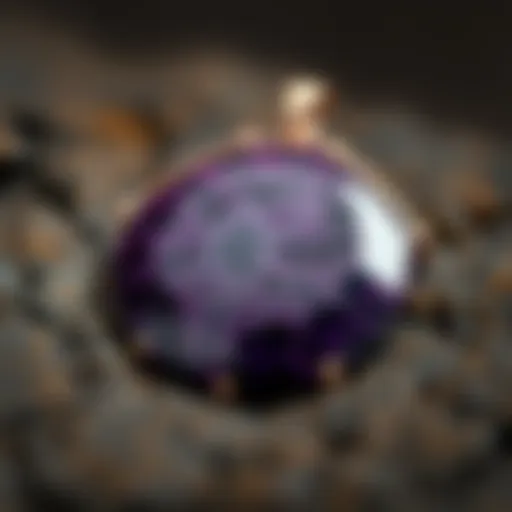
Amethyst is a striking purple stone that has been cherished for centuries. Its deep hue, which ranges from light lavender to rich violet, offers versatility for various styles of jewelry. Known for its calming properties, amethyst is said to ward off negative energy, making it a favored choice for both jewelry makers and wearers looking for balance.
The unique feature of amethyst lies in its geological formation; it typically forms in volcanic rocks and has a crystalline structure that can captivate anyone. One of its benefits is that it is relatively abundant, bringing the affordability factor into play without compromising beauty. However, there’s a caveat: amethyst can fade when exposed to direct sunlight for extended periods, which is a consideration for those looking to wear it regularly.
Turquoise
Turquoise is another gem that dazzles the eye. Its striking blue and green shades make it easily identifiable, often becoming a symbol of protection and prosperity. This stone comes with a cultural significance that spans continents, making it a popular choice for artisans crafting pieces with a history.
The key characteristic of turquoise is its uniqueness; no two pieces are alike, thanks to its porous nature and veins of matrix that run through it. However, this porosity also means that turquoise requires careful handling and storage; it can absorb oils and dirt, potentially dulling its vibrancy over time. The benefits of its aesthetic appeal and rich heritage outweigh the need for extra care, making it a beloved gem in natural jewelry.
Opal
Opal is renowned for its phenomenal play of color, but its beauty comes with a cost; it's softer than many other gemstones. What makes opal special is its ability to display a variety of colors when light hits it at different angles, often creating mesmerizing patterns. This quality gives opal its charm and has made it a popular choice for statement pieces in jewelry.
The key attraction of opal is its stunning visual effects, often described as vibrant and ethereal. Nevertheless, its composition makes it susceptible to damage; opals can crack under sudden temperature changes and are best kept away from harsh environments. Thus, while opals can offer a striking addition to any collection, their delicate state necessitates careful consideration in both design and daily wear.
Benefits of Using Organic Materials
Biodegradable Properties
The topic of biodegradable properties is critical as consumers become increasingly aware of the environmental impact of their choices. Jewelry made from organic materials not only serves aesthetic purposes but also minimizes waste. By choosing materials that break down naturally over time, artisans and consumers collectively contribute to a more sustainable future.
What sets these biodegradable materials apart is their innate capability to return to the earth without leaving harmful residues. This characteristic is a key factor in why many jewelers are now opting for organic sources like wood, seeds, and plant-based substances for crafting. While it is undeniable that organic pieces may not boast the longevity of traditional metals or stones, their temporary beauty carries its own narrative that often resonates deeply with eco-conscious consumers.
Sustainability
Sustainability is more than just a buzzword; it represents a necessary shift in our approach to production and consumption. When jewelers incorporate sustainable practices into their work, they create a pathway toward responsible sourcing. This is especially significant considering the environmental challenges that come with mining and extracting non-renewable resources.
The hallmark of sustainable organic materials is their renewable nature. Birth from the earth, they allow for artful creations that reflect a commitment to preserving our natural landscape. However, it's worth mentioning the challenges in sourcing these materials responsibly, as not all practices are created equal. The demand for sustainable options sometimes leads to a lack of transparency in sourcing, making it imperative for consumers to remain vigilant in their choices.
"By engaging with the beauty of the earth through jewelry, consumers not only adorn themselves but also take a stand for sustainability and responsibility."
Through the lens of natural stones and organic materials, we find a deeper relationship with the earth itself, promoting beauty in unity with ethical considerations. Collectors and enthusiasts are thus encouraged to explore these elements, as they enrich the narrative of both the jewelry and the world from which they originate.
Crafting Techniques
Crafting techniques in jewelry making are not just about skill; they embody the passion and creativity of the artisan. The methods utilized to transform raw materials into finished pieces reflect not only the craftsmanship involved but also the cultural and historical narratives ingrained in each item. As we delve into this topic, we understand how these techniques influence the final piece, enhancing its aesthetic appeal and ensuring its durability. Whether dealing with fine gemstones or organic materials, the right crafting methods can elevate the significance of earth jewelry, making it unique and resonant with personal stories.
From Raw Material to Finished Piece
Cutting and Polishing Methods
Cutting and polishing methods are fundamental in shaping natural materials into visually stunning jewelry. Notably, the precision of cutting allows the inherent beauty of crystals and stones to shine, showcasing their colors and patterns. The contribution of these methods is substantial, making each piece both an artistic expression and a testament to the raw material’s story.
One key characteristic of these methods is lapidary, the practice of cutting and polishing stones. This process is essential because it requires significant skill and knowledge regarding the properties of the stones. A good lapidary artist understands how to handle various materials, knowing precisely which cuts will maximize the gem’s brilliance and aesthetic appeal. It's a popular choice because it can transform a simple stone into a piece that catches the eye and sparks conversation.
The unique feature of these methods lies in their ability to enhance the natural attributes of the stones. For example, faceting can create reflections that make gems appear more sparkly, while cabochon cuts showcase the stone’s full beauty without distractions. However, there are disadvantages as well, such as the risk of damaging more fragile stones during the process or the time-consuming nature of handcrafted techniques. Balancing skill and respect for nature leads to a piece that is both beautiful and responsibly made.

Design Approaches
When it comes to design approaches in crafting earth jewelry, creativity abounds. Modern designs often play with shapes, colors, and forms to attract a diverse audience while keeping the essence of nature at the forefront. One important aspect here is customization; many artisans allow clients to co-create, often leading to uniquely personal pieces that reflect individual tastes.
A notable characteristic of these approaches is inspired design, which draws from nature itself or cultural motifs. This tension between organic inspiration and artistic imagination helps create pieces that resonate deeply with wearers. Such designs are not only visually appealing but also carry stories, making them more than just adornments.
The distinct feature of these design approaches is their adaptability. For instance, a necklace may incorporate various natural elements—say, turquoise paired neatly with silver accents. However, challenges include the need for skilled craftsmanship to ensure that all elements harmonize into a cohesive whole and the potential for trend-related pressures on artisans. Nonetheless, approaches that focus on authenticity and natural beauty can create timeless pieces that remain cherished over the years.
Artistic Expressions in Jewelry Making
Stylistic Trends
Stylistic trends in earth jewelry are reflections of cultural shifts, technological advancements, and the ever-evolving tastes of consumers. These trends allow artisans not only to express themselves but also to connect with wider audiences. Currently, styles like minimalist designs that celebrate raw forms are quite popular. They emphasize the material itself, offering a refreshing alternative to highly embellished jewelry.
A key characteristic of these trends is sustainability; modern consumers are increasingly drawn to pieces that not only look good but also carry an ethical story. Artisans who embrace sustainable practices—such as sourcing recycled materials—often find resonance with their audience. This trend is beneficial because it fosters a community of conscious consumers who value environmental impact.
One unique feature of these trends is their cyclical nature. The global influences can shift styles dramatically, yet there are always elements that remain cherished, such as intricate beadwork or organic patterns. The challenge lies in balancing current trends with timeless designs so that creations do not quickly fall out of fashion.
Integration of Mixed Media
The integration of mixed media in jewelry making opens a treasure trove of possibilities for artisans. This technique involves combining various materials—like metal, stones, fabrics, or even found objects—to create a truly unique piece. Such integration not only widens the scope of creative expression but also allows for more personal stories to be woven into jewelry designs.
One hallmark of this approach is innovation. By bringing together materials that traditionally wouldn’t coexist, artists challenge conventional notions of what jewelry should be. This approach resonates particularly well with today's market, where consumers are on the lookout for items that express individuality. However, it requires careful consideration of how materials interact; some combinations may clash or compromise durability.
Moreover, the use of mixed media can offer advantages. For instance, a necklace integrating wood with gem elements can enhance aesthetic appeal while providing different tactile experiences. This versatility can attract diverse customers looking for something unique and beyond typical jewelry forms. Striking the right balance in this creative process is essential, as it allows for innovative designs that retain strength and coherence in form and function.
Crafting techniques are more than mere skills; they are an art form that embodies the connection between nature, culture, and the human spirit.
The Environmental Impact
The environmental impact of jewelry sourced from natural materials is a critical element of this discussion, shaping not only the practices surrounding jewelry creation but also the values of consumers today. As awareness regarding ecological concerns grows, so too does the importance of making responsible choices in sourcing materials. The balance between artistic expression and environmental stewardship is delicate yet pivotal.
Extracting Natural Resources Responsibly
Sourcing Practices
Sourcing practices play a fundamental role in how natural jewelry resonates with consumers. The emphasis here is on sustainable extraction methods that minimize harm to the environment. Ethical sourcing can include practices like using recycled metals and gemstones, or materials sourced from artisanal mines that prioritize environmental care.
Such methods often involve transparent supply chains, where consumers know exactly where their jewelry comes from and the conditions under which materials are acquired. This openness is not just a nice-to-have; it has become a hallmark of reputable brands. Many buyers today expect brands to demonstrate their commitment to sustainable practices, with some even willing to pay a premium for assurance that their jewelry has been sourced responsibly.
Outcomes of employing sound sourcing practices include lower carbon footprints, reduced energy consumption, and preserving habitats that might otherwise be damaged by traditional mining operations. However, it is crucial to note that while the benefits are substantial, the challenges include ensuring that these practices are feasible and can be applied consistently across the supply chain.
Impact on Ecosystems
The impact on ecosystems is another area of concern within the jewelry industry that consumers and makers alike need to consider. Every time materials are extracted from the earth, there is a potential risk of disturbing natural habitats. For instance, mining operations can cause soil erosion, water pollution, and disruption of local wildlife.
A key characteristic of assessing this impact is understanding the scale. Large-scale mining typically brings more severe consequences compared to smaller, more localized practices. Moreover, sustainable alternatives often aim to use previously disturbed sites instead of delving into untouched ecosystems. The focus on minimizing damage helps to foster biodiversity, preserving the delicate balance of local environments while allowing artisans to work within an ethical framework.
Balancing these factors requires continuous dialogue among stakeholders, including craftsmen, environmentalists, and consumers. While the path of responsible extraction offers substantial advantages for the environment, it hinges upon collective accountability from all parties involved.
Recycling and Upcycling in Jewelry
Benefits of Upcycling
Upcycling has emerged as a popular choice within the earth jewelry space, offering several key benefits that align well with consumer motivations. At its core, upcycling involves transforming old or discarded materials into new, valuable products. This approach not only reduces waste but also encourages creativity in design.
One of the standout characteristics of upcycling is that it often provides a way to use materials that might otherwise be thrown away. This process can take various forms, from reworking vintage beads into modern designs to creating striking pieces from broken jewelry. Upcycled jewelry often carries a unique story and character, which can make it more appealing to consumers looking for something special.
Although there are clear positives, challenges remain in ensuring a consistent aesthetic quality and durability, as materials may vary widely in terms of integrity and appearance. However, the benefits far outweigh the hurdles, making upcycling a darling of environmentally-conscious designers.
Case Studies on Repurposing
Delving into case studies on repurposing can shed light on innovative approaches taken by new designers. Many brands have emerged that focus specifically on upcycling, promoting sustainable luxury by rejuvenating pre-existing materials. For instance, one notable case involves a designer who transforms outdated silverware into delicate cuffs and necklaces, marrying functionality with history.
These case studies highlight another key aspect of repurposing: the personalization that comes from using materials with memories. Customers often feel more connected to pieces with a story, adding an emotional layer to their jewelry. Established brands have also started to recognize the power of repurposing, weaving it into their practices as a way of highlighting their commitment to sustainability.
Overall, examining case studies illustrates the potential of upcycling and repurposing not just as trends, but as practices that can reinforce a jewelry brand’s ethical stance while appealing to a broader consumer base. Each unique piece echoes a commitment to both artistry and ecology, underscoring the multifaceted relationship between nature and jewelry.
Market Trends in Earth Jewelry
The rise of natural jewelry, composed of elements mined or sourced from the earth, reflects a shift in consumer sentiment toward more sustainable practices. This section discusses why these trends matter not just to artisans and designers but also to buyers who value authenticity, ethical sourcing, and uniqueness in their adornments.
Consumer Preferences and Motivations

In a world where mass production reigns supreme, individuals are gravitating towards products with a story. Natural jewelry symbolizes not just beauty but also a connection to the earth. Consumers today seek items that resonate with their personal values, intertwining craftsmanship and sustainability. Many enthusiasts are interested in how jewelry can say something about the wearer’s identity, environmental consciousness, or cultural roots. There’s a growing understanding that what adorns our bodies can reflect larger issues regarding climate change and ecological responsibility.
Take, for example, the surge of interest in handmade pieces. Artisans emphasize local sourcing of materials, supporting both the environment and the economy. Shoppers are also keen on understanding the journey of their jewelry—from its origin in the earth to becoming a piece of wearable art. Why would a buyer settle for something that lacks soul when they can wear a slice of nature’s beauty crafted into something unique?
Emerging Designers and Innovations
With the increasing demand for earth jewelry, a slew of emerging designers are redefining the landscape. They are not just creating pieces; they are innovating in their practice. This evolution is reflected significantly in two areas: eco-conscious brands and technological integration.
Eco-Conscious Brands
Eco-conscious brands focus on sustainability at every stage. These labels often employ biodegradable materials and sustainable practices in their production processes, making them a go-to choice for environmentally-aware consumers. A hallmark of eco-conscious brands is transparency. Buyers appreciate being informed not just about the materials used but also about the ethical implications of their choices. For instance, a brand that sources its stones from conflict-free areas is likely to attract consumers who are morally motivated.
Being eco-conscious enriches the ethos of these brands, allowing them to foster loyal customer bases not solely based on aesthetics but shared ethical beliefs. However, not everything is rainbows and butterflies. The challenge here involves balancing aesthetics with function, as some materials, while sustainable, may not have the same durability as their synthetic counterparts.
Technological Integration
The integration of technology in jewelry making is paving the way for remarkable developments. 3D printing, for example, has made it possible for designers to experiment without wasting materials. Though this method is often associated with modernity, it still preserves the essence of craftsmanship. Designers can render designs that were previously impossible, marrying tradition with innovation.
Embracing technology allows for a level of customization that traditional methods could not achieve. Customers can now personalize their jewelry more than ever, choosing colors, materials, and even embedding personal messages. But, as one may expect, the rise of technology also ushers in debates about the authenticity of handmade craftsmanship. Can something created by a machine hold the same value as a piece painstakingly crafted by human hands?
"Natural jewelry captures the essence of individuality, harnessing not only beauty but also the stories and values behind the pieces we choose to wear."
Caring for Natural Jewelry
Caring for natural jewelry is not just about maintaining aesthetics; it reflects a deep respect for the materials and the Earth itself. These unique pieces often carry significant personal and cultural meanings, making their preservation essential for both sentimental and ethical reasons. With the increasing popularity of eco-conscious shopping, collectors and jewelry enthusiasts must understand proper care strategies that ensure longevity while respecting the organic origins of these adornments. Proper care can maintain both the beauty and integrity of these items, allowing them to be passed down through generations.
Preservation Techniques
The longevity of natural jewelry hinges on effective preservation methods. By applying thoughtful techniques, owners can protect the structural integrity and visual appeal of their pieces. Many jewelers recommend storing jewelry in a controlled environment to minimize exposure to harmful elements. Creating a humidity-controlled space, for instance, can greatly reduce the risk of deterioration for organic materials like wood or shells. Regularly inspecting your jewelry also helps catch early signs of damage, ensuring small issues do not evolve into larger problems.
Avoiding Damage to Organic Materials
Storage Solutions
Choosing the right storage solutions plays a pivotal role in maintaining natural jewelry's optimal condition. Soft pouches made of natural fabrics are often praised for their ability to protect delicate materials. Specifically, they reduce friction, which can cause scratches or other forms of surface damage.
Moreover, when it comes to humidity control, utilizing silica gel packets in jewelry boxes can absorb excess moisture. This is particularly beneficial for pieces made from organic elements that can warp or deteriorate in humid conditions. The key characteristic of these storage solutions is their ability to provide a gentle environment that minimizes threats from both physical abrasions and environmental factors.
However, it's important to regularly check these storage options. If silica becomes saturated, it may no longer effectively absorb moisture, so keeping an eye on these details ensures lasting protection.
Cleaning Methods
Equally essential are the cleaning methods employed to keep natural jewelry in top shape. Using gentle, non-abrasive cleaners is crucial when it comes to organic materials. Many enthusiasts prefer simple solutions, such as a damp cloth or a mixture of mild soap and water. This method helps dislodge dirt and oils without causing harm.
An added benefit of simple cleaning methods is their accessibility — ensuring that anyone interested in caring for their jewelry can easily adopt these strategies without needing specialized knowledge or products. Yet, special attention should be paid to ensuring that no moisture is retained, as this could lead to mold or decay in organic materials.
Ultimately, proper cleaning not only sustains the visual appeal of natural jewelry but also maintains the integrity of the materials themselves.
"Natural jewelry connects us to the earth; caring for these pieces is a way of honoring our bond with nature."
The Role of Earth Jewelry in Personal Identity
Jewelry made from natural materials is more than just an accessory; it is a powerful statement of personal identity. For many, these pieces serve as a bridge between self-expression and cultural heritage. Earth jewelry offers a tangible connection to one's roots, surroundings, and beliefs, creating an emotional resonance that is often absent from mass-produced items. This connection allows individuals to wear a piece of nature that reflects their values and preferences, making it essential to understand the role this type of jewelry plays in personal identity.
Symbolism and Personal Significance
To say that natural jewelry is steeped in symbolism is putting it mildly. Each piece carries its own story, rooted in the material from which it is fashioned. For instance, a pendant made from a piece of jade is not simply an adornment; it might symbolize the wearer’s connection to their Asian heritage, where jade is highly valued for its beauty and significance. Moreover, gemstones like amethyst are considered to promote tranquility and enhance one's emotional balance, adding a deeper layer of significance to what might otherwise be a simple piece of jewelry.
Natural jewelry often serves as a marker for important life stages. A bracelet made from seashells may become a cherished keepsake from a family vacation, while a necklace featuring polished stones might symbolize personal growth during transformative experiences. Such items become part of one's personal narrative, imbuing them with emotion and value that transcend monetary worth.
Cultural Expressions Through Jewelry
Jewelry, especially those made from natural elements, is a vital medium for expressing cultural identity and heritage. It encapsulates not just aesthetics but also deep-rooted beliefs and traditions. Wearing specific styles or materials can convey a wealth of information regarding one's background, values, and even aspirations.
Regional Styles
Regional styles in jewelry reflect the unique identities of communities across the globe. For instance, Native American jewelry often incorporates turquoise and silver, representing elements deeply connected to their cultural and spiritual beliefs. Similarly, designs originating from Africa may feature bold patterns and vivid colors derived from the surrounding environment. These regional traits not only showcase the skilled craftsmanship of their makers but also create a sense of belonging for the wearers.
Notably, the integration of local natural resources into jewelry designs reinforces the connection between identity and the environment. It promotes the idea that personal identity is not just constructed internally but also shaped by geographical and environmental contexts. Embracing regional styles fosters an appreciation for cultural diversity, making it a beneficial choice for understanding the complexities of identity in relation to earth jewelry.
Traditions and Celebrations
The role of traditions and celebrations in the world of earth jewelry cannot be understated. Jewelry often serves as a focal point during important life events, such as weddings, anniversaries, and festivals. Each occasion may call for specific types of adornments, like intricate beadwork or particular gemstones known for their significance.
For example, during weddings, brides may wear heirloom pieces that have been passed down through generations. These items not only connect the individual to their family history but also affirm the values and beliefs they carry with them into the future. These unique features of traditions enhance the jewelry’s significance, making it an enduring part of personal and cultural narratives.
In addition, wearing these pieces during celebrations can serve as a form of storytelling. By displaying earth jewelry during cultural festivities, individuals share their heritage and honor their ancestors. This practice can cultivate a sense of pride and foster community among individuals who share similar identities, making it an essential component in the broader discussion of personal identity related to earth jewelry.
"Jewelry is like a storybook where every piece narrates a different chapter of our identity."