Exploring the Market for Septarian Nodules
Intro
Septarian nodules, often called septarian stones, capture the imagination of both the scientific community and rock enthusiasts alike. Digging into their fundamental characteristics not only enlightens collectors but also sheds light on their value in the wider world of mineral collecting.
These marvelous geological formations arise from a fascinating process. As sedimentary rocks, they form through a combination of natural elements in clays and limestone over millions of years. What distinguishes septarian nodules is their unique appearance, often resembling an intricate mosaic of patterns and colors. However, the allure of these stones goes beyond just their aesthetics. Their interesting geological history and origin offer rich narratives that many collectors cherish.
In this discussion, we will traverse through the market for septarian nodules, detailing the various factors influencing their desirability. By the end of this article, collectors will better understand why septarian nodules hold significant value, both in terms of scientific interest and personal collection. This journey through the world of septarian nodules aims to equip enthusiasts with the necessary insight for sourcing, evaluating, and appreciating these remarkable specimens.
Prelims to Septarian Nodules
Septarian nodules, often simply referred to as septarians, hold a unique place within the realm of geological curiosities. These fascinating geological formations are not just one more rock in the pile; they are a testament to the processes that shape our Earth over millions of years. To those involved in rock and mineral collecting, understanding septarians is crucial, not just for appreciation, but also for evaluation and acquisition. Knowledge in this area can lead to informed collecting choices, ensuring that enthusiasts can navigate the marketplace with a discerning eye.
Definition and Characteristics
Septarian nodules are essentially concretions, which means they are hardened masses formed from mineral deposits. Typically, they are round and can measure from a few centimeters to over a meter in diameter. Their most distinctive feature is the cracked surface that often resembles a puzzle, giving them their name derived from the Latin word "septum," meaning partition. Commonly, these nodules exhibit a stunning blend of colors—ranging from earthy browns to vibrant yellows and even greens.
When examining a septarian, collectors should pay close attention to its appearance and texture. The crystals within these nodules can vary, with calcite, aragonite, and other minerals being common inclusions. Their attractiveness makes them a popular choice for display or jewelry. For anyone wanting to dive deeper into rock collection, being able to clearly identify and characterize septarians is invaluable.
Formation Process
The formation of septarian nodules is a fascinating journey into Earth's past. These formations typically begin as sediments that accumulate in muddy environments, such as ancient riverbeds or lagoons. Over time, these sediments become compacted and lithified—essentially turned into rock—as minerals precipitate from pore water.
As the centuries rolled on, various environmental changes led to the drying out of such bodies of water, creating a series of cracks due to the desiccation of the materials. It is from these cracks that minerals like calcite and aragonite would eventually fill in, creating the iconic appearance of septarians. Each nodule tells a story of its environment, and the crystal formations can vary based on local geology.
Understanding how these nodules are formed not only enriches the collector's appreciation but also provides insights into the geological history of an area, which can be critical for those actively seeking these specimens in the wild.
"The beauty of septarian nodules lies not only in their appearance but also in the geological tales they tell, reflecting the Earth’s diverse past."
In summary, the introduction to septarian nodules serves as a foundation for the rest of this article. By grasping their definitions, characteristics, and formation processes, readers can expand their knowledge and enhance their collecting practices in an informed manner.
Geological Significance of Septarian Nodules
Septarian nodules are not just pretty rocks to adorn a shelf; they hold a wealth of geological history and insight. These formations offer a glimpse into ancient environments, highlighting processes and conditions that have long since passed. Understanding their significance includes delving into how they've accumulated through time and the stories they might tell us about the Earth’s evolution.
Insights from these nodules can inform us about sedimentary processes, mineralogical shifts, and even climatic conditions over millions of years. The geological significance of septarian nodules stretches well beyond mere aesthetics, positioning them as a valuable resource for both scientific study and collectors keen on piecing together Earth’s narrative.
The appeal of these nodules is more than skin-deep; they contain clues that can help unravel complex geological histories, casting light on the world's ancient environments. Not only do they captivate with their form, but rather their context within larger geologic formations offers both a practical and philosophical value to the serious aficionado.
Historical Context
To appreciate septarian nodules, one has to consider their historical footprint. They are typically formed from sediments deposited in shallow seas or lakes millions of years ago. While specific data varies by locality, historical records suggest that many nodules date back to periods like the Late Cretaceous, which might easily astound those who grasp the timeline. The processes that lead to their creation often involve significant geological events, such as volcanic activities or tectonic movements, which have impacted the mineral composition and structure.
Moreover, historically, these nodules were often thought of as ‘fossilized eggs’ due to their rounded shape and the cracks that suggested internal divisions—this has been a fanciful interpretation that speaks to human imagination.
Scientific Importance
In the realm of geology, septarian nodules signify more than just a decorative item; they are a sought-after subject of study. Their hollow cavities and striking designs arise from complex crystallization processes, making them a soil scientist's dream. When researchers analyze their formation, they can learn about the chemical reactions that took place, providing data on ancient climatic conditions.
The internal structures found in septarian nodules can reveal information about oolitic and biogenic processes, enriching our understanding of mineral development and sedimentation rates in ancient marine environments.
Such nodes of knowledge are particularly significant in studying depositional environments. Associated minerals may also hint at what kind of life existed during the nodules' formation, linking them to broader paleontological findings. Thus, the knowledge embedded in these formations caters to both the satisfying curiosity of hobbyists and the rigorous demands of academic study.
In essence, the geological significance of septarian nodules is multi-faceted, encompassing a mix of historical relevance and modern scientific inquiry, which ultimately enriches our understanding of Earth’s geological narrative.
Aesthetic Appeal of Septarian Nodules
When it comes to the world of collectibles, aesthetics can play a pivotal role in determining the value and desirability of a specimen. Septarian nodules are no exception. With their unique combinations of earthy colors, interesting patterns, and intricate textures, they captivate not just collectors but also casual admirers. The aesthetic appeal of these geological formations extends beyond their surface beauty; it ties into their significance in the broader context of geological history and art.
Visual Characteristics
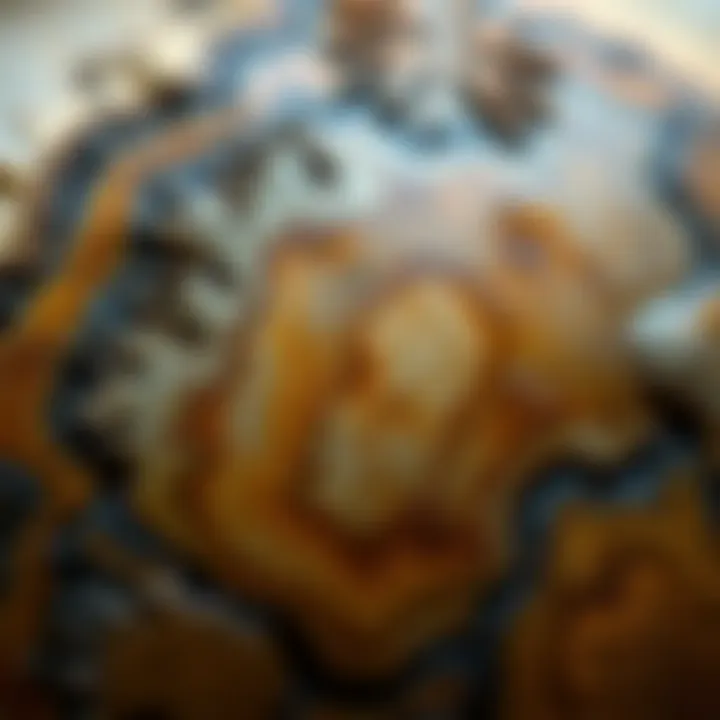
Septarian nodules are often described as geological mosaics. They typically feature a fascinating blend of dark brown, yellow, and gray hues, which can create striking contrast and depth. As one observes these nodules, it’s not uncommon to find intricate cracks and fissures that appear to tell a story of millions of years in formation. These fissures are often filled with calcite, lending a crystalline touch that enhances their visual appeal.
Some nodules exhibit patterns reminiscent of abstract art, making them perfect for display purposes. The distinct appearance is, in part, a result of their formation process. Air bubbles trapped during crystallization lead to the unique shapes and designs found within and on the surface of these nodules. Collectors often value specimens with particular patterns or color combinations, as they tend to stand out in a collection or display.
To lay it out clearly, here are some key visual characteristics to consider when evaluating septarian nodules:
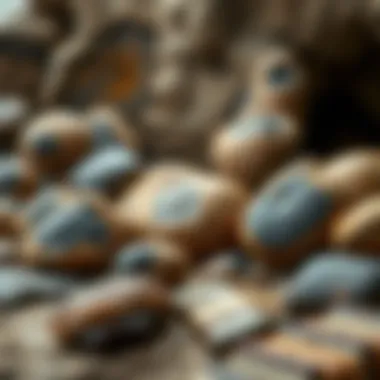
- Color Variation: The blend of earthy tones can range from deep browns to soft yellows.
- Pattern Complexity: The unique geological patterns can resemble artful designs.
- Texture: Some may have a smooth exterior while others boast rugged surfaces, adding to their tactile interest.
These visual aspects collectively make septarian nodules not just geological pieces, but artistic expressions worthy of admiration.
Collectibility Factors
The collectibility of septarian nodules is influenced by a few key factors that go beyond their appearances. While beauty certainly catches the eye, it is often the story and rarity that keeps a collector interested.
- Rarity: Septarian nodules are not as ubiquitous as other minerals, like quartz or calcite. Finding larger or particularly well-formed specimens can be akin to striking gold in a field. This rarity enhances their appeal to serious collectors.
- Provenance: Just like in art collecting, knowing the origin of a specimen adds value. Nodules sourced from specific geographical locations, like Madagascar or the United States, may carry a story that enhances their worth for collectors. A nodule’s journey from discovery to display can be as compelling as its visual characteristics.
- Historical Significance: For many enthusiasts, owning a piece of geological history is motivating. Collectors who appreciate the age and formation processes of septarian nodules often seek them for their scientific merit as well. This dual appeal of beauty and antiquity fosters a richer collecting experience.
- Market Demand: Interest in unique geological specimens is growing among collectors and decorators alike. The rise in demand can impact how much collectors are willing to pay for high-quality specimens, adding a financial consideration into the mix.
In closing, the aesthetic appeal of septarian nodules is multifaceted. Their stunning visual features are supported by factors including rarity, provenance, and historical significance. This combination offers collectors a compelling package that extends beyond mere appearance to encompass a deeper appreciation for geology and natural history.
Market Overview for Septarian Nodules
The market for septarian nodules is as fascinating as the formations themselves. These unique geological wonders attract a variety of collectors, from novice rock hounds to seasoned mineral enthusiasts. Understanding current market trends, along with the variability in pricing, is essential for anyone looking to invest wisely or simply add to their collection. The importance of examining these elements cannot be overstated; they help collectors navigate the complexities and dynamics of buying and selling a scarce natural resource. A keen grasp of the market landscape helps potential buyers decide when and where to purchase, ensures they are not overpaying, and sheds light on the demand for these magnificent nodules.
Current Trends
In the world of mineral collecting, trends come and go like the seasonal tides, but some aspects of the market for septarian nodules have remained resolute. One significant trend is the increasing interest in alternative healing practices. Enthusiasts often laud these nodules for their purported metaphysical properties, claiming they promote emotional stability and grounding. As a result, many sellers are now marketing these specimens with a focus on their holistic benefits, not just their aesthetic value.
Another prominent trend involves the rise of online marketplaces—places like Etsy and eBay now teem with sellers showcasing their wares. The growing accessibility to a global market allows collectors to find unique pieces from various geographic locales that they otherwise may never encounter. However, this can sometimes lead to market saturation, making it crucial for buyers to hone their evaluation skills to distinguish quality specimens from mere imitations.
Amidst these trends, it’s also vital to recognize a shift towards sustainability in sourcing. More collectors and sellers advocate for responsible collecting practices. This means sourcing nodules ethically from environments where they are readily available, thus preserving the natural landscapes from which they come.
Price Variability
When it comes to pricing septarian nodules, buyers often find themselves in a sea of variability. Several factors can influence these prices, including size, quality, and the complexity of individual formations. Here’s a simplified breakdown:
- Size: Larger nodules tend to command higher prices. A massive piece, bursting with intricate detailing, is a showstopper and can fetch a premium.
- Quality and Features: The more unique the nodule's patterns and colors, the more appealing it will be to collectors. Nodules with striking contrast between the beige calcite and the dark brown matrix are often priced higher than more common variants.
- Market Demand: Like any commodity, demand can swing wildly. At times, there may be a rush of interest in specific qualities or styles of septarian nodules due to trends or sales from well-known collectors.
"Understanding the nuances of the market can empower collectors to make informed decisions about their purchases."
Collectors should also consider the impact of geographical factors. Nodules sourced from certain regions may hold more value, as they are sometimes tied to specific historical or geological contexts. By staying informed about the evolving market and understanding these key elements, collectors can enhance their buying strategies, ensuring that they not only acquire beautiful pieces but also invest wisely.
Finding Septarian Nodules for Sale
Finding high-quality septarian nodules can feel like searching for a needle in a haystack. For collectors, understanding where and how to acquire these intriguing geological specimens is crucial. Knowing where to look not only increases the likelihood of finding authentic pieces but also ensures you can make informed decisions regarding your purchase.
When it comes to procuring septarian nodules, collectors benefit greatly from exploring multiple avenues. Factors such as price, authenticity, and the potential for unique finds all come into play. Given the niche nature of these rocks, sourcing them properly can mean the difference between adding true gems to a collection or settling for subpar imitations.
Online Platforms
In today’s digital world, online platforms have become a go-to resource for many collectors. Websites like eBay, Etsy, or specialized gem and mineral sites offer an array of septarian nodules at different price points. Buying online gives you access to sellers from around the globe, allowing for broader selection. While it is advantageous, it does require a discerning eye.
- Research Sellers: Take time to investigate sellers’ reviews and ratings. A reputable seller usually has positive feedback, which speaks volumes about their reliability.
- Compare Prices: Don't settle for the first find. Prices can vary significantly from one site to another, so it's wise to compare.
- Read Descriptions Carefully: Specific details such as size, weight, and any unique features can significantly impact quality and value.
Remember, some websites may offer better return policies than others, so keep that in mind when making your decision. Just because a nodule shines in pictures doesn’t always mean it glimmers in reality.
Local Gem and Mineral Shows
Local gem and mineral shows can be a treasure trove for collectors, allowing for face-to-face interactions with sellers. These events often feature a diverse range of specimens, from common finds to rare beauties, including septarian nodules. The tactile experience of physically examining the rocks can also aid in evaluating quality.
- Networking Opportunities: Meeting fellow collectors and experts can provide insight into the market and increase your knowledge about what to look for.
- Direct Negotiation: There is an undeniable advantage in negotiating directly. You might find a better deal than what you'd expect online, especially if you're willing to haggle a bit.
- Educational Panels: Many shows also host discussions or panels on specific topics, including how to spot authenticity or care for your collection. It’s an excellent way to expand your understanding of these unique nodules and improve your collecting strategy.
"The thrill of finding a rare specimen is only amplified when you can hold it in your hands and talk to the seller about its history and characteristics."
Both online platforms and local gem shows offer unique advantages and constraints worth considering. By blending these approaches, you stand a better chance at building a captivating collection of septarian nodules.
Evaluating Quality of Septarian Nodules
Evaluating the quality of septarian nodules is a crucial aspect for collectors and enthusiasts alike. It’s not just about the visual appeal; understanding quality can greatly impact your investment and overall satisfaction in the collection. The quality of these unique formations often dictates their market value, rarity, and desirability. When seeking to enhance your collection, knowing what makes a septarian nodule truly exceptional is essential.
Factors to Consider
When evaluating a septarian nodule, the following factors come into play:

- Size and Shape: Larger nodules often command higher prices, especially if they maintain a balanced and appealing shape. Unusual or interesting shapes can also add to their allure.
- Color and Pattern: The aesthetic quality is significant. Look for nodules with vibrant color contrasts and distinctive patterns. The interplay between the calcite and the surrounding materials often creates stunning visuals.
- Surface Condition: A smooth, polished surface generally indicates a higher quality specimen. Cracks or chips might detract from the visual appeal and reduce value.
- Rarity: Some nodules may contain unique formations or inclusions that make them stand out. Rarer varieties can become focal points in a collection.
"A quality septarian nodule isn’t just a rock; it’s a story waiting to be uncovered, binding history and art into one beautiful piece."
Authenticity Checks
In the world of collecting, authenticity is vital. Septarian nodules face the risk of imitation, and being able to discern the genuine from the fake can save collectors time and money. Here are some effective ways to verify authenticity:
- Visual Inspection: Begin with a detailed visual inspection. Familiarize yourself with authentic nodules through research, gathering insights from reputable sources such as websites like en.wikipedia.org and others.
- Expert Opinions: Consulting with experts or established dealers can provide valuable insights. Look for recommendations from online forums like reddit.com where experienced collectors often share their knowledge.
- Origin Verification: Ask for provenance when purchasing. Knowing where a nodule comes from can help establish its authenticity.
- Material Analysis: In some cases, a detailed analysis may be necessary. Exploring lab report options could provide insights into mineral content, confirming authenticity.
Being meticulous in evaluating quality and assuring authenticity not only enhances your shopping experience but also nurtures a deeper appreciation for septarian nodules in your collection.
Caring for Septarian Nodules
Caring for septarian nodules is an essential aspect of maintaining their beauty and value for collectors and enthusiasts alike. These unique geological formations are not just visually appealing; they also carry a significant historical and geological context that adds to their worth. Understanding how to properly care for these nodules ensures they remain in pristine condition, allowing collectors to enjoy and showcase them for years to come.
Cleaning Techniques
Keeping your septarian nodules clean is fundamental, but it’s important to approach this task with caution. The nodule’s delicate surface can easily be scratched or damaged if not handled correctly. Here are a few care tips for cleaning:
- Gentle Dusting: Use a soft brush to gently remove any dust or loose dirt from the surface. This method avoids the risk of scratching the nodules.
- Soaking in Water: For more stubborn grime, soak the nodule in lukewarm water to loosen debris. Avoid using hot water, as this can cause cracks. Let it sit for a while before lightly wiping with a soft cloth.
- Natural Soaps: If needed, use a mild soap solution made from natural ingredients to clean the nodule. Always rinse thoroughly with clean water afterward, making sure no soap remains, as it may leave residues that attract more dust.
- Avoid Harsh Chemicals: Steer clear of bleach or acid-based cleaners. These substances can damage the surface and dull the luster of your nodule.
By following these techniques, collectors can keep their septarian nodules sparkling without compromising their integrity.
Storage Recommendations
Proper storage of septarian nodules is as vital as cleaning them. The right environment preserves their aesthetics and composition. Here are some practical storage strategies:
- Display Cases: Consider investing in display cases. They not only protect from dust but also prevent accidental damage from knocks or falls. Opt for cases with UV-protective glass to guard against fading.
- Temperature Control: Store your nodules in a climate-controlled environment. Extreme temperatures and humidity fluctuations can lead to cracks or unwanted changes in the nodules’ coloration.
- Avoid Direct Sunlight: Prolonged exposure to sunlight can fade the colors of septarian nodules. Store them in a shaded area, away from direct light to maintain their stunning visuals.
- Regular Checks: Periodically inspect your collection for any signs of damage or wear. Catching issues early on can save you from costly restoration or degradation.
"Your care for your collection isn’t just about preservation; it’s an investment in the future value of your nodules."
By employing these cleaning and storage techniques, collectors can ensure their septarian nodules remain as striking as the day they were acquired. This attention to detail not only enhances the enjoyment of these remarkable geological treasures but also contributes to their ongoing value in the collecting community.
For more detailed guidelines and community insights, check relevant resources such as Wikipedia and Britannica. Engage with fellow collectors on platforms like Reddit or the collector's groups on Facebook.
If you seek expert advice or need additional resources, websites like *.edu or *.gov could offer further reading.
Community and Collecting Culture
The community surrounding the collection of septarian nodules is not just a collection of individuals but a vibrant tapestry of shared knowledge and passion. This tight-knit group plays a crucial role in enhancing the experience for both novice and seasoned collectors alike. Whether it's through online forums, social media groups, or local clubs, the sense of camaraderie found within these communities serves multiple purposes that go beyond mere hobbyist interests.
Building connections is perhaps one of the most significant benefits of engaging with like-minded individuals. Collectors often share tips on where to find high-quality septarian nodules, how to authenticate them, or even how to care for these geological wonders. Knowledge is power, and in this case, pooling resources can save a collector both time and money. Many seasoned collectors are more than willing to mentor newcomers, helping them navigate the sometimes murky waters of the collecting world. Observing others, sharing experiences, and learning together fosters an inclusive atmosphere.
Engagement isn't limited to sharing expertise; it also encompasses the opportunities for collaborative events. Many cities host gem and mineral shows where collectors can meet in person, admire, purchase, and even trade pieces. Events like these allow collectors to grow their network, engage in discussions, and sometimes discover rare treasures that they might not find through other channels. Being part of a community is about feeling connected to something larger, where one can bond over excitement for geology and the arts of collection.
For all these reasons, being involved in collecting communities enriches the experience of gathering septarian nodules and elevates the act of collecting from a solitary pursuit to a shared journey.
Engagement in Collecting Communities
When individuals join collecting communities focused on septarian nodules, they embark on something truly rewarding. Online platforms, such as forums and social media groups, act as digital meeting places where individuals can engage in lively discussions. These platforms promote a culture of enthusiasm and support, essential for the growth of a collector's knowledge. For instance:
- Facebook groups dedicated to mineral collecting provide spaces for sharing photos and asking questions.
- Reddit threads often delve into topics such as the latest finds, tips for cleaning specimens, and ethical considerations surrounding excavation.
Furthermore, participating in local gatherings, such as lapidary clubs or gem shows, presents real-world opportunities to meet fellow enthusiasts. These face-to-face interactions often spark friendships that extend beyond collecting. Sharing excitement about a recent haul or discussing the best techniques for polishing stones can lead to deeper connections.
"Finding true friends is like discovering rare gems; not everyone is a diamond, but when you find the right ones, they shine super bright in your life!"
Sharing Knowledge and Experiences
Knowledge sharing is an essence in any collecting culture, especially when it comes to the intricacies of septarian nodules. As any experienced collector will tell you, learning about the various elements of these nodules—such as their formation, geographical significance, and market trends—can be an ongoing journey.
Collectors often share their personal stories, recounting the thrill of discovering a particularly striking nodule or the disappointment of falling for misleading sales practices. These anecdotes not only serve as valuable lessons for newcomers but also create an emotional tapestry for the community. The stories behind each collection piece can enhance its value, transforming a simple nodule into a conversation starter imbued with history.
Practical information is also abundant in these circles. Collectors openly discuss the best places to source authentic materials, offering insights into ethical practices, which is increasingly important in today’s market. They may recommend:
- Trusted online retailers for purchasing septarian nodules.
- Tips on evaluating the authenticity of nodules based on appearance and texture.
Sharing this wealth of experience enriches the collective knowledge of the community and strengthens the bonds formed among its members. The culture thrives not just on acquiring collections but learning about appreciation, history, and ethical collecting practices.
Challenges in Collecting Septarian Nodules
The realm of collecting septarian nodules has its own fair share of hurdles, which must be navigated by both seasoned and novice collectors. Understanding these challenges can make all the difference—not only in ensuring a more rewarding collecting experience, but also in preserving the integrity of the market. Below, we dive into two main issues concerning the collection of septarian nodules: market saturation and misleading sales practices.
Market Saturation
Market saturation refers to a situation where the supply in the market exceeds demand. This situation is not uncommon in the field of mineral collecting, including septarian nodules. With many new enthusiasts dipping their toes into this unique market, sellers may flood the market with lower-quality items in a bid to capture buyers’ attention.
Why is this Important?
- Quality Over Quantity: As more low-quality nodules enter the market, it can become increasingly difficult for collectors to distinguish between a gem and a mere rock.
- Price Fluctuation: When the market gets saturated with similar products, prices tend to drop, which could end up hurting collectors trying to sell their higher quality pieces later.
- Skepticism in Collecting: Potential buyers may feel uncertain about the value of their purchases, leading to hesitation in buying, which further exacerbates saturation problems.
To successfully navigate these challenges, collectors should conduct thorough research on market trends and educate themselves on what quality septarian nodules look like. Cultivating relationships with established dealers can provide insights into the evolving market.
Misleading Sales Practices
Unfortunately, the world of collectible minerals is not immune to unethical sales practices. Collectors may drop their guard and fall victim to unscrupulous vendors who misrepresent the quality, origin, or even authenticity of their products. This issue can tarnish not just individual experiences, but also the overarching reputation of collecting as a whole.
Common Misleading Practices:
- Overstatement of Rarity: Often, sellers may exaggerate how rare a certain piece is, making it seem like a collector's dream find when it’s more common than claimed.
- Mislabeling: Sometimes, nodules may be misidentified or passed off as premium specimens when they've been significantly altered or manufactured.
- Authenticity Claims: A vendor might state that a nodule comes from a particular location or geological formation that adds to its value when it’s actually from a more common site.
To protect yourself, collectors should always request provenance or background information about the piece they wish to buy. Trustworthy dealers usually have no qualms about providing this information.
"Every informed collector is a step ahead in securing genuine treasures for their collections. Knowledge is key in this market."
Future Trends for Septarian Nodules
The market for septarian nodules stands at an intriguing crossroads with various elements shaping its future. These geological treasures, known not only for their aesthetic beauty but also their scientific insights, are increasingly becoming more than just collectibles. They are part of larger discussions surrounding sustainability and technological advancements. Knowing these trends is essential for collectors who wish to stay well-informed and responsible.
Sustainability in Sourcing
Sustainability is no longer a buzzword; it's a necessity. As more collectors become conscious of where their collectibles come from, the demand for ethically sourced septarian nodules is growing. There are several key factors contributing to the importance of sustainable sourcing:
- Environmental Impact: The extraction of geological specimens, if not done mindfully, can lead to habitat destruction and loss of biodiversity. Sustainable practices ensure that the natural landscapes and ecosystems are preserved for future generations.
- Consumer Awareness: As fossil and mineral collectors increasingly ask about the provenance of their pieces, sellers are recognizing the need to provide transparent information. Collectors now want to know how and where their septarian nodules were sourced, making ethical practices a selling point.
- Regulatory Compliance: In many regions, regulations regarding the mining and collection of natural resources are tightening. Collectors and sellers must adapt to these changes to avoid legal complications and to promote best practices within the industry.
As collectors, engaging in responsible sourcing not only enhances personal integrity but also enriches the overall community. Supporting suppliers who prioritize sustainable practices fosters a market that values the preservation of natural resources.
Technological Advances in Collection
The future of septarian nodules isn't just grounded in ethical practices; technology is also paving new paths in the world of collecting. Various advancements are reshaping how collectors discover, acquire, and engage with their specimens:
- Digital Platforms: The rise of e-commerce and specialized online marketplaces has revolutionized the way collectors find septarian nodules. Websites like eBay and Etsy, along with dedicated mineral and fossil marketplaces, provide access to a broader range of specimens than ever before. This accessibility opens doors for buyers looking for rare items.
- 3D Imaging and Augmented Reality: Advanced imaging technology allows potential buyers to scrutinize nodules in detail before purchasing. Augmented reality apps can provide rich visualizations and allow viewers to see how a piece may look in their collection without having to physically hold it.
- Data Analytics: Technology is enabling better market insight through analytics. Collectors can now utilize data trends and pricing algorithms to assess the value and marketability of their pieces. This could lead to improved investments in unique specimens.
In essence, the marriage of sustainability and technology in the market for septarian nodules paves the way for a vibrant collecting culture. Collectors who are aware of these trends can position themselves advantageously in an ever-evolving landscape.
The future of collecting is rooted in sustainability and technology, offering both challenges and opportunities for enthusiasts of septarian nodules.
The End and Recommendations
As we draw the curtain on our journey through the captivating world of septarian nodules, it is essential to reflect on the insights we’ve uncovered. For both novice and seasoned collectors, understanding the nuances of the market for these unique geological formations can greatly enhance one’s collecting experience. Knowledge is power, after all.
Summarizing Key Points
In this article, we explored various facets of septarian nodules. From their fascinating formation process to the distinct visual characteristics that make them appealing, septarian nodules hold their own in the realm of collectibles. Several crucial elements to keep in mind include:
- Formation and Characteristics: These nodules are formed from a combination of geological processes, possessing unique internal structures that often feature striking patterns and colors.
- Market Trends: We've examined the fluctuations in pricing and how certain factors, such as demand or market saturation, can affect values.
- Quality Evaluation: Assessing the authenticity and quality of septarian nodules is paramount. Engaging in thorough research can prevent collectors from falling prey to misleading sales practices.
- Community Engagement: Connecting with fellow enthusiasts allows for shared knowledge and a deeper appreciation for these geological wonders.
Recognizing these points lays the groundwork for a more informed approach to collecting, ultimately enriching the experience and investment involved.
Encouraging Responsible Collecting
In the pursuit of collecting septarian nodules, it's crucial to consider the ethical implications of sourcing. While the allure of these beautiful stones can be enticing, collectors should prioritize responsible practices that contribute positively to the market and the environment. Here are some recommendations to embody responsible collecting:
- Source Ethically: Purchase from reputable dealers and platforms. This not only ensures the authenticity of your nodules but also supports ethical mining and selling practices.
- Preserve Natural Environments: If you are lucky enough to find your own septarian nodules, always adhere to local laws regarding collecting. Disturbing the natural landscape can have long-lasting effects on ecosystems.
- Contribute to Conservation: Consider supporting organizations dedicated to geological conservation or participating in community clean-ups to protect these natural treasures for future generations.
- Share Knowledge: By exchanging information with other collectors, you can cultivate a culture of responsible collecting. Educating newcomers about best practices helps maintain the integrity of the collecting community.
"A wise collector is one who understands the value of sustainability in their collection journey."
In summary, as the market for septarian nodules continues to evolve, remaining aware of the ethical dimensions and community aspects will bolster the integrity of the collecting experience. Approaching this passion responsibly not just benefits the collector but also honors the remarkable natural wonders these nodules represent.