Exploring Large Ceramic Tumbling Media: Uses and Benefits


Intro
In the world of collecting, the beauty and mystery of each piece can captivate the heart of any enthusiast. Large ceramic tumbling media serve as a crucial tool in this journey, particularly in enhancing the tumbling process for various collectibles. From minerals to vintage pottery, these media not only refine the surface but also play a significant role in achieving desired results. In this exploration, we dive into the types of collectibles that benefit from large ceramic tumbling media, alongside identification techniques that every collector should be aware of.
As we navigate through this article, readers will gather insights on how large ceramic tumbling media aids in achieving that polished look, elevating the appeal of rocks, fossils, and ceramics alike. Whether you are just starting in your collecting journey or you’re an old hand at it, understanding the nuances of ceramic tumbling media can help you enhance your collection.
Types of Collectibles
Overview of Collectible Categories
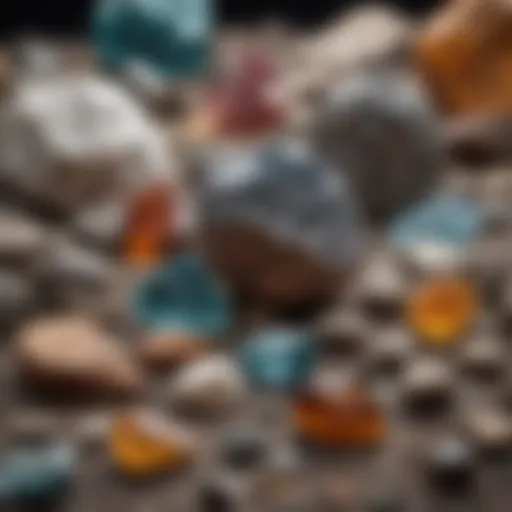
Collectibles often fall into a variety of categories. Whether it’s shimmering gemstones, interesting fossils, or intricately designed ceramics, the world of collecting is vast. Large ceramic tumbling media can be applied to various categories effectively:
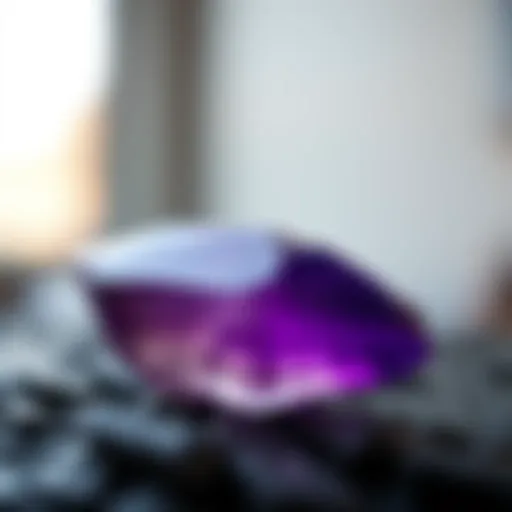
- Gemstones: Raw stones benefit immensely from a good tumbling process. Ceramic media smoothens sharp edges, providing a lustrous finish that makes these pieces more attractive.
- Fossils: Delicate and precious, fossils often require careful handling. Tumbling with ceramic media can preserve their integrity while enhancing their aesthetics.
- Pottery: Vintage or contemporary pottery pieces can be revitalized through tumbling, allowing collectors to breathe new life into their selections without damaging them.
- Minerals: Crystals and minerals often have rough surfaces that detract from their natural beauty. Tumbling with ceramic media polishes these surfaces, revealing the vibrant colors within.
In-Depth Look at Each Category
- Gemstones
Gemstone collectors appreciate the natural allure of stones. Large ceramic tumbling media is particularly effective for soft stones like calcite or quartz, allowing for a smooth finish without over-polishing. This practice retains natural characteristics while elevating visual appeal. - Fossils
The tumbling of fossils requires a gentle touch. Large ceramic media minimizes the potential for damage, providing a controlled environment where the fossil remains intact while achieving a polished look. Care has to be taken; soft fossils should be handled with a bit more caution compared to their harder counterparts. - Pottery
Collectors of pottery find that tumbling can remove light scratches and blemishes, making even the most tired piece look refreshed. The ceramic media acts softly against painted surfaces, preserving intricate designs while enhancing the overall surface quality. - Minerals
For mineral enthusiasts, tumbling serves not just cosmetic purposes but also protects the stone from further abrasion. Large ceramic tumbling media can help composite stones reveal their true coloring and details that captivate collectors’ eyes.
"The craft of collecting is not just about acquiring, it’s about preserving the beauty contained within each piece." – Unknown
As we continue, let's move to the techniques of identification and the essential tools that can aid collectors in their journey.
Understanding Tumbling Media
Tumbling media play an essential role in the art of surface finishing, particularly within the realm of rock and fossil collecting. For enthusiasts of these hobbies, understanding the nuances of different tumbling media is vital to achieving the desired results in polishing and finishing various materials. The significance of tumbling media stems from its ability to enhance not only the aesthetic appeal of minerals, stones, and fossils but also their longevity and quality. By grasping the features, benefits, and limitations of various types of tumbling media, collectors can make informed choices that elevate their craft.
Definition and Purpose
At its core, tumbling media refers to materials used in the tumbling process, in which objects are smoothed and polished through friction and abrasion. The purpose is to remove surface imperfections, restore luster, and create a finished piece that showcases the inherent beauty of the material. In practical terms, tumbling media serves as the main tool collectors wield to refine their collectibles. Whether it's polishing rough stones or preparing fossils for display, the right tumbling media is indispensable for achieving high-quality results.
Types of Tumbling Media
The world of tumbling media is diverse, encompassing several varieties, each with their distinctive attributes and benefits. It's crucial for collectors to understand these differences.
- Ceramic Media: Ceramic media is often the go-to choice due to its durability and effectiveness. These media come in various shapes and sizes, designed to accommodate different tumbling needs. Their main characteristic lies in their hardness, which allows them to impart a high shine to hard surfaces without causing excessive wear. The unique feature of ceramic media is its ability to maintain shape and consistency throughout numerous tumbles, ensuring reliable performance over time. This makes them a valuable asset for anyone looking to produce shiny and well-polished pieces.
- Plastic Media: This type of media is known for being lightweight and versatile, making it an appealing option for those tumbling more delicate items, such as softer stones or jewelry components. The key characteristic of plastic media is its lightweight design, which minimizes damage on fragile materials. A distinct advantage of plastic media is its availability in various types of abrasives, allowing for customized finishing processes. However, plastic media may not produce the same level of shine as ceramic media, which can be a drawback for collectors focused on achieving certain aesthetic outcomes.
- Natural Media: Natural media, often composed of organic materials, is particularly valued for its gentle approach to tumbling. This type of media is effective in creating a soft finish without scratching more delicate surfaces. The primary characteristic of natural media is its eco-friendliness, appealing to collectors who prioritize sustainability in their practices. It's essential to note that while natural media can be effective for simple finishing tasks, its performance may vary significantly based on the material being polished. As a result, collectors might find it less suitable for more demanding tumbling projects.
Understanding the specific contributions of ceramic, plastic, and natural media provides collectors with insights into how to best approach their tumbling endeavors. By recognizing the strengths and potential setbacks of each type, enthusiasts can make educated decisions that ultimately lead to superior results in polishing and finishing their treasured collectibles.
Large Ceramic Tumbling Media Characteristics
Understanding the characteristics of large ceramic tumbling media is crucial for collectors and hobbyists. This section dives into the essence of what makes this media a favorite among enthusiasts, particularly in the realms of rock and fossil collecting. Its material composition, size and shape variations, and durability play significant roles in achieving the desired results in tumbling processes. These elements are not merely technical specifications; they can greatly influence the effectiveness and efficiency of your tumbling endeavours.
Material Composition
Large ceramic tumbling media is primarily made from high-grade clay. This clay is fired at high temperatures, which contributes to its hard and durable nature. The exact formulation can vary among manufacturers, but the key is often a blend of kaolin and feldspar, which yield a medium that balances abrasiveness and density. The smooth surface allows for effective polishing without scratching the materials being tumbled. The composition is particularly advantageous when working with softer stones, as it minimizes the risk of damage during the tumbling cycle.
"Selecting the right ceramic media based on its material makeup can mean the difference between a lackluster finish and a professional sheen on your rocks."
This emphasizes that understanding the ingredients involved isn't just an academic exercise; it's directly linked to the outcome you can expect from each session.
Size and Shape Variations
When we talk about size and shape, large ceramic tumbling media offers a range of options. They can come in various diameters, typically measured in mm, alongside differing shapes such as spheres, cylinders, and oblong forms. The size you choose will depend on the specific items you are tumbling. For example, smaller media works better with intricate pieces, fitting snugly in crevices and polished surfaces of delicate items, like small fossils or beads. Conversely, larger media is great for bulkier items that can handle a more robust tumbling process, like larger rocks or rough stones.
Utilizing a combination of sizes can also yield impressive results. Mixing smaller and larger pieces ensures that all surfaces of the materials being tumbled receive adequate exposure during the process. A well-mixed composition can enhance the polishing effect by allowing each piece to roll against others effectively.
Durability and Longevity


Durability is arguably one of the strongest aspects of large ceramic tumbling media. Given the high-temperature firing, this media can withstand sustained wear and tear during the tumbling sessions without readily chipping or breaking. This long-lasting quality not only affects your cost efficiency but also impacts the time between replacements, which is an often-overlooked aspect in hobbyist circles. Imagine the convenience of not needing to replace your tumbling media frequently; it frees up time and funds for acquiring more specimens.
Understanding how longevity plays into your operations can influence your purchasing habits. For those who are serious about their hobby—maybe even collectors eyeing bigger projects—the choice of high-durability ceramic media is not just practical; it’s an investment towards a higher quality finish.
Applications in Collecting and Hobbyist Laundering
Understanding how large ceramic tumbling media applies to collecting and hobbyist laundering is essential for optimizing results and achieving the desired finish on various items. Whether it’s stones, minerals, or jewelry, ceramic media offers distinct advantages that cater to both the novice and the seasoned expert. Let’s dive into some practical applications that showcase the versatility and effectiveness of this material.
Polishing Stones and Minerals
The art of polishing stones and minerals is a bit of a delicate dance. Using large ceramic tumbling media allows collectors to achieve a high luster on their specimens without the risk of scratches or damage. One remarkable aspect is the ability to work with different types of rocks, including softer materials like turquoise or harder ones like agate. This variety in application showcases ceramic media’s adaptability.
When tumbling stones, the uniform shape of ceramic media helps in distributing pressure evenly, leading to a consistent polish without the need for excessive grinding. Properly loaded, the media can efficiently chip away at rough edges and surfaces, transforming raw stones into polished treasures. The appropriate tumbling time is crucial here; too short and the stones remain rough, too long, and you might lose the distinctive characteristics of the stone.
Finishing Touch for Jewelry Making
For jewelry makers, the finish of the components is almost as important as the design itself. Large ceramic tumbling media acts as an essential tool to give that professional touch to various jewelry pieces, from ear wires to pendant settings. One significant benefit is the media's non-reactive nature, which means it won’t tarnish metals like silver and gold, preserving the integrity of the designs.
Incorporating ceramic media during the final finishing process can smooth over rough edges and enhance clarity in complicated pieces, making them more aesthetically appealing. Here, it’s not just about aesthetics; it’s about trust in the quality of one’s work. A well-finished piece sends the message that attention to detail has been paramount, and that quality is non-negotiable.
Enhancing Fossil Preparation
For the fossil enthusiast, time can be as crucial as the tools employed. Large ceramic tumbling media plays a significant role in preparing fossils for display or research. Fossils are often embedded in hard rock matrices, and the use of ceramic media can aid in gradual erosion of these surrounding materials, ultimately revealing the fossil’s features without causing damage.
What sets ceramic media apart in fossil preparation is its ability to provide a gentle yet effective abrasive action. This is particularly beneficial for delicate specimens where heavier media might cause unintended harm. As such, hobbyists can enjoy a reduction in risks and can focus on extracting and presenting their specimens in the best condition possible.
"Utilizing large ceramic tumbling media not only enhances the end product but also fosters confidence in the hobbyist’s skills and techniques."
Adopting large ceramic tumbling media in these areas demonstrates its pivotal role in enhancing the quality of items that enthusiasts deeply care for. By employing best practices in polishing, finishing, and preparing, collectors can expect excellent results, augmenting their enjoyment and success in their respective crafts.
Benefits of Using Large Ceramic Media
When it comes to tumbling stones and other collectibles, large ceramic media stands out for a host of reasons. Not only does it provide tactile advantages during the tumbling process, but it also plays a vital role in ensuring quality results. In this section, we'll delve into the specific benefits that make large ceramic media a preferred choice for enthusiasts and collectors alike.
Reduction of Surface Scratches
One of the primary advantages of large ceramic tumbling media is its ability to significantly reduce surface scratches on delicate items. Unlike harsher media types, ceramic media is designed to be both gentle and effective. Imagine polishing precious gemstones or fossils that carry intricate details; using ceramic media minimizes the risk of those scratches that could diminish the beauty of your pieces. The hardness and uniformity of the media ensure even distribution during the tumbling process, allowing items to be polished without the worry of unwanted blemishes.
"Using ceramic media is like giving your collectibles a soft, protective blanket while they get their shine on."
When tumbling, the ceramic chips softly glide over the surface, smoothing out imperfections while leaving a brilliant finish. It’s akin to the difference between a gentle breeze and a howling wind – one nurtures, while the other could potentially break what it's meant to uplift.
Consistency in Finishing
Another hallmark of large ceramic tumbling media is the consistency it provides. As collectors know, achieving uniformity in finishes can be quite the uphill battle. Poorly graded or mixed media can lead to uneven polishing, which can be frustrating. However, ceramic media, especially those that are well-manufactured, offer predictability in their performance.
Ceramic particles maintain their shape and size throughout the tumbler's operation, ensuring that each drink of mud delivers the same quality of polish. This reliability is essential when preparing items that are valuable or intended for sale. Moreover, the fine grain of ceramic media allows for a gradual, controlled finish. As you monitor your tumbling process, you can expect the same results each time, reducing variability in the quality of your work.
Versatility Across Different Materials
Large ceramic tumbling media aren't just one-trick ponies; they are incredibly versatile and can be used across a multitude of materials. Whether you are polishing gemstones, preparing fossils for display, or finishing metal jewelry pieces, ceramic media can be utilized effectively.
This adaptability is particularly beneficial for collectors who work with varying textures and materials. For instance, when tumbling softer materials like calcite, you may worry about aggressive media harming your pieces. In contrast, the use of ceramic media allows for a smooth, comforting touch that respects the material while still providing excellent finishing results.
Furthermore, because ceramic media works well with a range of gels and abrasives, it allows collectors to experiment with different combinations without the fear of ruining their cherished items.
In summary, the benefits of using large ceramic tumbling media are manifold. From protecting delicate surfaces to ensuring uniform results and providing versatility, it stands as a key player in the equipment arsenal of rock and fossil collectors. Understanding these advantages helps cultivate not just better outcomes, but also a more enjoyable tumbling experience.


Considerations for Effective Use
When it comes to large ceramic tumbling media, making the most of this resource requires careful thought and practice. The effectiveness of tumbling not only hinges on the quality of the media itself but also on how one utilizes it during the tumbling process. For enthusiasts and collectors, understanding the nuances of loading techniques, optimizing tumbling time, and balancing water and abrasive ratios is crucial. This section will explore these elements in detail, providing guidance that can lead to superior results in your polishing and finishing endeavors.
Proper Loading Techniques
Loading your tumbler correctly is essential to achieve even results. If the media and materials are not arranged properly, it can lead to uneven polishing or even damage to the items being finished. Here are some important considerations:
- Weight Distribution: Ensure that the load is evenly distributed. Too much weight on one side can cause excessive wear on the tumbler and uneven results. It’s best to fill about 70% of the capacity for optimal tumbling action.
- Layering Materials: Place larger items at the bottom and smaller items on top. This ensures that the larger items do not dominate the action, allowing every piece to benefit from the tumbling media.
- Avoid Overloading: Stuffing too many items into the tumbler can restrict movement, leading to inferior finishes. A good rule of thumb is to leave enough space for the media and materials to move freely, which enhances the tumbling effect.
- Use of Insurance Media: Sometimes, including extra ceramic media as a buffer can protect delicate items from being scratched by heavier materials. This practice can extend the life of both the items being polished and the tumbling media itself.
Optimizing Tumbling Time
Tumbling time significantly impacts the quality of the finished items. Different materials or finishes will require varying lengths of time for optimal results. Here's how to find that sweet spot:
- Trial and Error: Start with shorter tumbling periods and gradually increase the time until you achieve the desired finish. For example, softer stones might require only a few hours, whereas harder materials may benefit from longer time frames.
- Regular Monitoring: If possible, check the progress periodically. This will help identify when the materials have reached the ideal polish, preventing over-tumbling, which can lead to unintentional damage.
- Type of Finish Desired: Your tumbling goals also dictate the time required. A more refined, glossy finish will generally necessitate a longer tumbling period compared to a more rustic appearance. Adjust the tumbling time accordingly based on whether you want something smooth or more natural.
Water and Abrasive Ratios
Finding the right balance between water and abrasive in your tumbling process is like mixing the perfect recipe. Too much of one and not enough of the other can lead to unsatisfactory results. Here’s what to keep in mind:
- Abrasive Quantity: The type and quantity of abrasive will affect the tumbling efficiency. As a guideline, start with a small amount—generally a teaspoon per pound of material is a good beginning point. You can always adjust based on results.
- Water Level: The water level should cover the media completely but not flood the tumbler. Too much water dilutes the abrasive effect, while too little can cause friction burns on your items. Adjusting the levels can significantly affect how effectively the media interacts with the items.
- Chemical Additives: In some cases, adding a few drops of a suitable soap or detergent can help enhance the polishing process without oversaturating the mixture. Research the types of items you’re cleaning to determine if this is appropriate for your needs.
"An informed operator is a successful operator. Understanding the correct techniques leads not only to better results but can also extend the lifespan of your equipment and materials."
Comparing Large Ceramic Media with Other Types
When it comes to selecting tumbling media, understanding the different types on the market can drastically enhance your finishing results. Each type of media has its own unique properties, which can affect the tumbling process and outcomes. This section focuses on comparing large ceramic media with plastic and natural media, giving collectors a clearer picture of what suits their needs best.
Ceramic vs. Plastic Media
Ceramic media is renowned for its durability and ability to produce a consistent finish. Composed of a robust material, ceramic media can withstand the rigors of prolonged tumbling, maintaining its shape without chipping or damaging the pieces being polished. It's often heavier than plastic, which can provide better contact with the objects being tumbled, resulting in a more effective polishing process. Not only does this give a better finish, but it also helps to reduce the overall tumbling time.
On the other hand, plastic media offers specific advantages of its own. Lightweight and often more affordable, plastic media can be ideal for soft materials, minimizing the risk of over-polishing or deforming delicate items. However, it tends to wear down faster and may require more frequent replacement compared to ceramic. What's more, plastic media may not provide the same level of finishing as ceramic, especially for harder stones and minerals.
In a nutshell, if you are looking for longevity and efficiency in achieving a high-quality finish, ceramic media takes the cake. In contrast, if flexibility and gentleness on various materials are your priorities, plastic options will be your go-to.
Natural Media vs. Ceramic Media
Natural media, which includes materials like walnut shells or corn cob, emphasizes an eco-friendly approach to tumbling. They are often biodegradable and can be a great option for those who prioritize sustainability in their hobby. Natural media tends to be softer, making it gentler on gemstones and allowing for polishing without the risk of scratching. However, natural media may not provide the same uniformity in size and shape as ceramic options, which can lead to inconsistent results during tumbling.
Ceramic media, with its structured form and dense nature, excels at reducing surface scratches and offering more predictable outcomes. While natural media might be suitable for certain tasks, ceramic media shines in terms of durability and effectiveness, especially for harder materials.
When it comes down to it, the choice between natural and ceramic media is reflective of a collector's priorities, whether they lean towards caring for delicate pieces or striving for efficiency in polish finishes.
"Ultimately, the best tumbling media is the one that aligns with your specific needs, ensuring that your cherished finds get the care they deserve."
In summary, evaluating the benefits and considerations of each type of tumbling media will empower collectors and hobbyists to make informed decisions that enhance their crafting experiences.
Key comparisons include:
- Ceramic Media: Great durability, produces superior finishes, excellent for harder materials.
- Plastic Media: Lightweight, cost-effective, better for softer materials, but less durable.
- Natural Media: Eco-friendly, gentle on items, but may lack consistency in performance.
As you weigh your options, consider the specific applications for your collectible items, allowing you to choose the media that will serve you best in the long run.
Sourcing Large Ceramic Tumbling Media
Finding the right source for large ceramic tumbling media is crucial for both seasoned collectors and hobbyists. The quality and characteristics of the media can greatly influence the results you achieve in your tumbling projects. In this section, we will explore the importance of sourcing ceramic tumbling media, the role of reputable suppliers, and factors to consider regarding costs.


Reputable Suppliers
When it comes to sourcing large ceramic tumbling media, selecting reputable suppliers is essential. High-quality media is the backbone of a successful tumbling operation. Not all suppliers are created equal. Some may offer products that lack consistency or durability, leading to less-than-satisfactory results.
- Research: Begin by looking for suppliers known in the rock and fossil collecting community. Online forums, such as reddit.com/r/rockhounds, can offer reviews and recommendations. Collectors often share their experiences with different vendors, helping you avoid the sour apples.
- Certifications: Check if suppliers provide certifications or guarantees regarding the quality of their media. Such endorsements can bolster confidence in your purchase.
- Sample Orders: Many suppliers allow you to order samples. This can be an excellent way to test the media before committing to larger purchases.
- Customer Service: Having a supplier who cares about their customer service can be invaluable. If something goes wrong, a responsive supplier can help rectify issues swiftly.
With a solid supplier, collectors are not just purchasing media; they're investing in the success of their tumbling projects.
Cost Considerations
Cost is inevitably an important factor when sourcing large ceramic tumbling media. However, navigating prices can be tricky, as the cheapest option is not always the best choice. Here are some key elements to ponder:
- Quality vs. Price: It’s tempting to go for the lowest price, but poor-quality ceramic media can lead to substantial frustrations later. Investing a bit more in quality can save you time and enhance your results.
- Bulk Purchases: Many suppliers offer discounts for bulk purchases. If you’re planning to do regular tumbling, this could be a practical way to reduce costs in the long run.
- Shipping Fees: Never overlook shipping costs, which can add up quickly. Local suppliers can often save you money on shipping, but this sometimes means sacrificing on quality.
- Return Policies: Understand the return policies before making a purchase. Suppliers with favorable return policies can add an extra layer of comfort to your investment.
"A wise investment in quality media can yield polished results that speak for your dedication to the craft."
For additional resources and insights, you may explore articles on britannica.com or check community discussions at facebook.com.
Collectors and enthusiasts alike can benefit from a thorough understanding of where to source their materials, ensuring they achieve the best possible outcomes in their tumbling endeavors.
Environmental Impact and Sustainability
In today's world, the conversations surrounding environmental impact and sustainability have taken center stage. For those involved in the polishing and tumbling of stones, knowledge of these topics is not only important—it’s essential. Within the realm of large ceramic tumbling media, understanding how our choices affect the planet can guide collectors and enthusiasts toward more eco-friendly practices. This section explores biodegradability and recycling considerations, providing clarity on how to responsibly enjoy this craft.
Biodegradability of Materials
When we talk about the biodegradability of materials, the focus lies on how long and in what manner substances break down in natural environments. Large ceramic tumbling media, for example, is crafted from natural clay and minerals, primarily in a kiln, which makes it less toxic than many alternatives. Once it reaches the end of its lifecycle, it does not contribute significantly to landfill waste.
While ceramics can technically last for centuries, their potential impact on the environment depends on usage patterns and disposal methods. Unlike plastic tumbling media, which can take hundreds of years to break down, ceramic is less of a burden on our ecosystems. In short, investing in ceramic media can be seen as a more sustainable choice due to lesser harm to the planet over time.
"Sustainability is not just about protecting the environment; it’s also about making choices that improve quality of life for future generations."
Recycling Considerations
Now, turning to recycling considerations, it’s vital for collectors and artisans to not only focus on how to use materials but also how to dispose of them responsibly. While ceramics can often be repurposed or recycled, the pathways for recycling may not be straightforward. Some recycling facilities are equipped to handle ceramics, but many are not, so it pays to do your homework.
Here are a few points to think about when considering recycling:
- Check Local Guidelines: Many municipalities provide lists of recyclable materials. Confirm whether ceramics are accepted in your area.
- Repurposing Options: Instead of tossing old ceramic media, consider reusing it. For instance, broken pieces can be decorative in planters or used in mosaic art.
- Seek Specialized Facilities: Some facilities specialize in recycling ceramics. Be sure to look for those in your vicinity. Websites like Earth911 can help pinpoint locations that accept specific materials.
In sum, understanding the recycling options available for large ceramic tumbling media can empower users to make informed decisions that favor the environment.
Future Trends in Tumbling Media Technology
The world of tumbling media is not standing still; it is evolving. As collectors delve deeper into the realms of polishing stones, jewelry, and fossils, the development of tumbling media becomes more relevant. Innovations in this area promise to enhance the efficiency and effectiveness of the tumbling process. Understanding these trends not only provides insight into the technologies being developed but also informs collectors on how to make the best use of these advancements in their own practices.
Innovations in Material Science
Developments in material science are shaping how tumbling media is designed and utilized. Researchers are experimenting with various substances, leading to the creation of more specialized ceramic media. For instance, newer formulations may include composites engineered for higher durability and efficiency.
- Enhanced Abrasive Properties: These advanced materials often boast increased hardness, which allows them to adapt better to the specific needs of different materials being polished. Users may find that they can achieve smoother finishes in shorter time frames.
- Adaptive Granularity: Innovations are not just about hardness but also about granularity. The creation of media with variable particle sizes, which adapts to the contours and complexities of the items being polished, has emerged as a pivotal development in this industry.
Such advancements mean that collectors and hobbyists can select tumbling media more suited to their specific tasks, reducing the trial-and-error aspect of the process.
Integration with Digital Technologies
The incorporation of digital technologies into the realm of tumbling media signals a significant shift in how enthusiasts approach their work. For instance, automated tumblers equipped with smart technology are beginning to emerge. These devices can monitor and adjust parameters like rotation speed and tumbling time based on the type of media being used and the material being polished.
- Data-Driven Decisions: Consider the advantage of a tumbler capable of providing data analytics. Users can track the performance of different media types and formulations, enabling more informed choices in future projects.
- Remote Access and Control: Some advanced systems even allow for remote monitoring or operation through mobile apps, providing the flexibility to manage tumbling processes while engaged in other activities.
The integration of such technologies not only highlights a trend toward increased efficiency but can also result in cost savings over time. Who wouldn’t want a polished outcome with less time and effort?
"Keeping up with technological advances in tumbling media will allow collectors to stay ahead in their polishing techniques while enhancing the quality of their results."
In summary, as technology and material science converge in the tumbling media space, the implications for rock and fossil collectors are profound. Innovations not only provide the tools needed for better results but also expand the horizons of what is possible in the art of polishing and finishing.