Mastering the Art of Identifying Agates
Intro
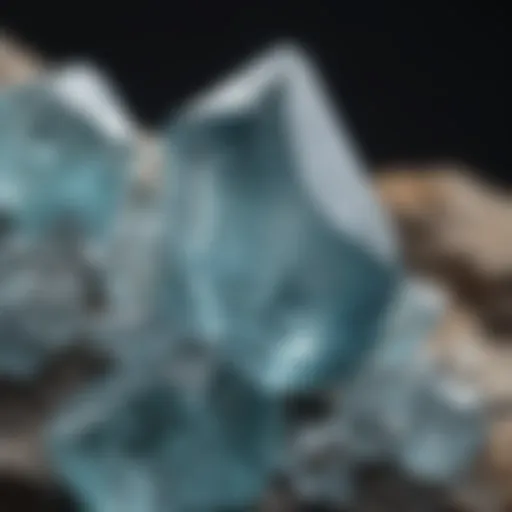
Unveiling the world of agates is like peeling back the layers of a complex onion, revealing a rich history, geological wonder, and cultural significance. Agates, a variety of chalcedony, are known not just for their beauty but also their exceptional variety. To many, they are simply beautiful specimens found in nature, but for the collector and hobbyist, they embody stories of ancient volcanic activity and sedimentation processes. As we embark on this journey, we'll explore how these captivating stones are identified, their diverse types, and how they resonate within different cultures.
Types of Collectibles
Overview of Collectible Categories
In the world of mineral collecting, agates stand out not merely for their aesthetic appeal but also for the subtleties in their classification and types. Collectors may categorize agates based on their origin, color, patterns, and other distinct features. Here’s a look at the main categories:
- Agate Geodes: These are hollow rocks lined with agate crystals, often found in volcanic or sedimentary formations. Collectors treasure them for their beautiful interiors.
- Natural Agates: These are the raw forms, unpolished and often found in riverbeds or glacial deposits. The colors and patterns vary widely.
- Carved and Polished Agates: Many collectors seek polished specimens or carved pieces that showcase the beauty of agate in decorative art pieces.
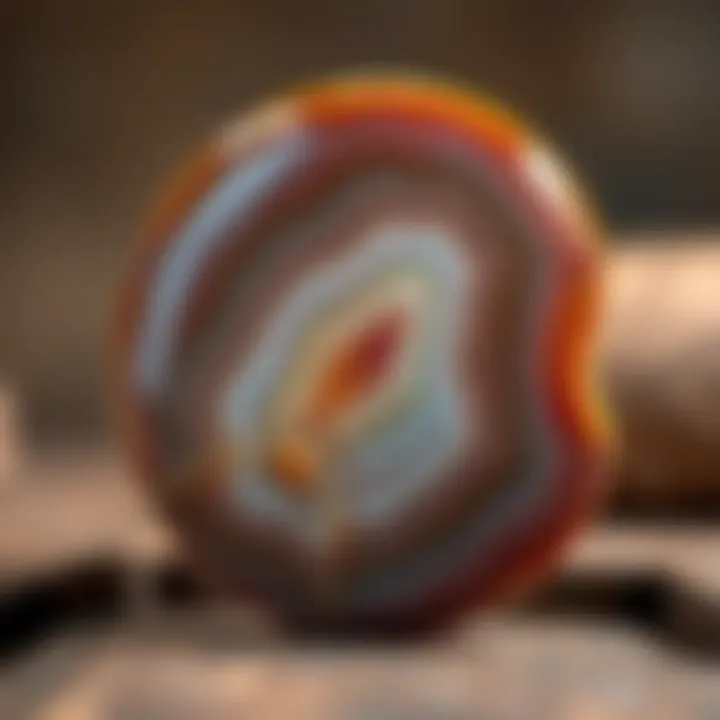
- Banded and Fortification Agates: These unique agates display intricate banding or fortification patterns, resulting from the way silica deposits form over time.
In-Depth Look at Each Category
- Agate Geodes: One of the most exciting types of agate collectibles is geodes. These porous rocks are typically hollow and can be filled with a variety of minerals. Finding a geode and cracking it open can lead to the discovery of stunning quartz crystals or colorful agate formations. It's like a treasure hunt in the field of geology.
- Natural Agates: Known for their less refined state, natural agates can be weather-worn and subtle. These stones tell a narrative of their journey through the elements. They can come in various types, such as moss agate, which has patterns resembling moss, or fire agate, which displays iridescent colors when viewed from different angles.
- Carved and Polished Agates: Many enthusiasts appreciate the artistry involved in transforming rough agate into stunning pieces through polishing or carving. Skillfully-crafted items, like cabochons, jewelry settings, or ornamental figures, bear witness to the dual nature of agates—art and nature combined.
- Banded and Fortification Agates: These agates are often described as the most visually compelling. Their layered or fortress-like structures are the result of unique deposition processes in volcanic environments. The bold colors and designs make them incredibly popular among collectors.
Identification Techniques
Essential Tools for Collectors
When it comes time to identify agates, having the right tools at one’s disposal is crucial. Here are some items that can help make the identification process more reliable:
- Hand Lens or Magnifying Glass: To closely examine the texture and microscopic features of the agate.
- Rock Hammer: Useful for cracking open geodes or other tough specimens.
- Sledgehammer or Chisel: For more serious collecting expeditions requiring precision in breaking rocks.
- Field Guide: A reliable reference book to look up various agate types and their characteristics.
- Polishing Supplies: If you're working with raw stones, these tools will come in handy to reveal their true beauty.
Identification Methods for Rocks and Minerals
Identifying agates goes beyond just examining their beauty; it involves observing the details and characteristics.
- Color Patterns: Agates are recognized for their unique arrangement of colors. Observe if the piece has distinct bands, transparent layers, or solid hues.
- Translucency: Many agates exhibit varying degrees of translucence. Shine a light through the stone; true agates will not be completely opaque.
- Hardness Test: Utilizing the Mohs scale, agates generally rate around 6-7. A simple scratch test on an unknown surface can further help indicate the type of mineral you’re working with.
- Structure: Identifying if there are crystal formations or nodules will indicate if you have agate or another form of chalcedony entirely.
“Every agate tells a story, a unique fingerprint of its environmental journey.”
Understanding how to properly identify agates allows collectors not only to appreciate their beauty but also to respect their history and significance. This knowledge leads to a more fulfilling collecting experience, connecting enthusiasts to the geological forces and cultural narratives that shaped these fascinating minerals.
Preface to Agates
Agates are not just stones; they embody a fascinating journey through time and nature’s artistry. Understanding what agates are and why they hold significance forms the backbone of this guide. Agates have been prized by collectors for their unique patterns and colors, which can inspire awe and spark curiosity. They reveal stories of geological processes and have been a source of inspiration for various cultures throughout history. This section provides a framework for comprehending agates, paving the way for deeper dives into their identification and appreciation.
Definition and Classification
Agates are a type of chalcedony, which falls under the quartz family. They are characterized by their distinctive banding and color patterns, achieved through the layering of minerals. These layers can be remarkably intricate, resulting in stunning displays of symmetry and contrast. Classification of agates can be multifaceted, often based on their appearance or geographical origin. For instance, you might come across categories like , which showcases botanical-like inclusions, or , recognized for its consistent patterns of bands and lines. To accurately identify and classify agates, one must pay attention to their external features, as well as the geological factors that shaped them.
Some relevant keywords to highlight include:
- Chalcedony
- Quartz family
- Banded agate
- Moss agate
It's essential to be aware that while many agates share common traits, each piece can exhibit a unique personality of its own. This individuality makes collecting agates an engaging pursuit, as no two pieces are alike. In this rich landscape, understanding how to differentiate agates based on their visual and physical properties is crucial for any collector.
Historical Context
The historical significance of agates runs deep, dating back to ancient civilizations. They have been found in artifacts from the Sumerians to the Greeks, often utilized in jewelry, talismans, and ceremonial objects. The belief in agates to provide protection and bring good fortune was prevalent in different cultures, enriching their value both materially and spiritually. For instance, in Roman times, warriors wore agate amulets as a shield against harm.
Moreover, agates served as trade goods across cultures, embedding them further into the fabric of social and economic exchanges. Their rich colors and varied appearances caught the attention of artisans, who chiseled, polished, and incorporated these stones into works of art. To this day, they are intertwined with human culture, reflecting the virtues and beliefs of those who cherished them. The study of agate's role across history not only adds depth to their aesthetic appeal but also connects collectors to a shared human experience—a tapestry of history reflected within stone.
Geological Formation of Agates
The formation of agates is a fascinating journey that showcases the natural artistry of geological processes. Understanding how agates come into existence lays the groundwork for their identification. Recognizing the processes and factors that contribute to their formation not only enhances appreciation for these stones but also aids collectors and enthusiasts in distinguishing genuine agates from imitations.
Formation Processes
Agates are primarily formed through a process called silicification, where mineral-rich waters deposit silica in voids within volcanic rock or sedimentary layers. This takes many thousands or even millions of years. So, picture a volcanic eruption where lava cools down and leaves porous rock cavities. Over time, silica-rich groundwater seeps through these cavities, depositing layers of agate. This creates those stunning bands of colors and patterns that we admire.
The process usually unfolds in a few key steps:
- Initial Cool Down: The volcanic rock solidifies, creating cavities that wait for mineral deposit.
- Silica Enrichment: Groundwater laden with dissolved silica begins its infiltration.
- Layered Growth: Silica deposits build up layer after layer, often influenced by impurities that introduce colors.
- Finishing Touches: After millions of years, the process culminates in the formation of the agate we eventually find amidst rocks.
"Nature, through endless patience, crafts beauty in the layers of time."
Each agate tells a story, a timeline encapsulated in its various colors and patterns. The unique characteristics of agate emerge from the specific conditions under which it formed.
Environmental Factors

Several environmental factors play a crucial role in shaping agates. These factors can dictate not only the physical appearance of the stones but also their rarity and value. Here are a few considerations to keep in mind:
- Mineral Availability: The presence of different minerals in surrounding areas can contribute to the unique patterns and colors found in agates. For instance, iron can lead to reddish hues, while manganese may impart purples.
- Temperature Variability: Temperature fluctuations can influence the rate of mineral deposition. Warmer conditions can enhance the flow of mineral-rich water, allowing for thicker deposits.
- Pressure Changes: Over time, geological pressure can compact or alter the structure of these deposits, affecting their final form and resilience.
- Erosion: Natural erosion can expose agate deposits that have been hidden for millennia, revealing treasures to collectors.
By comprehending these processes and factors, rock and fossil collectors can better appreciate the stories behind their agate specimens. Moreover, recognizing the significance of environmental conditions can lead to improved identification and collection strategies, enriching the overall experience of collecting agates.
Distinctive Characteristics of Agates
Understanding distinctive characteristics of agates is crucial for anyone looking to appreciate or identify these fascinating minerals. Each agate carries unique traits that can tell you a great deal about its origin, formation, and even its value. Recognizing these characteristics is like having a map in the labyrinthine world of geology; it guides enthusiasts and collectors alike towards correct identification and assessment. Let's delve deeper into these unique features, breaking down specifics that make agates so captivating.
Color Patterns
One of the most striking and diverse attributes of agates is their color patterns. These can be vividly varied, ranging from earthy browns and reds to striking blues and greens. Such a range often indicates the mineral composition of the rock. For instance, the presence of iron can yield red and orange hues, while copper often results in beautiful blue shades.
- Banding: Many agates exhibit banding, which is characterized by concentric or parallel lines of color. These bands can be thin or thick and often vary in hue, creating a beautiful display.
- Mottling: This refers to irregular color patches in an agate, adding character and complexity to the piece. The mottled appearance can sometimes resemble the patterns on animal skin, which can be quite appealing to collectors.
"The beauty of an agate lives in its color; every hue whispers a story of Earth’s narrative beneath our feet."
Translucency and Inclusion
The translucency and inclusion found in agates play pivotal roles in identifying these stones. Agates can range from completely transparent to completely opaque, and their translucency is often related to their quality and type. Higher-quality agates, like the Lake Superior variety, typically exhibit a remarkable level of clarity that allows light to filter through, enhancing their visual appeal.
Inclusions refer to any foreign materials or liquid within the agate. These can manifest as tiny bubbles, crystallized minerals, or even small organic matter. Understanding these inclusions not only enriches the aesthetic quality of the stone but also helps in determining its type and authenticity. For example:
- Dendritic inclusions: Often look like patterns resembling tree branches and indicate the type of minerals present.
- Fortification patterns: This refers to the intricate, often fortifying lines or shapes seen in certain agates, which can be stunning and complex.
Hardness and Density Examination
Agates are primarily composed of silica, which makes them quite durable. They score between 6.5 to 7 on the Mohs scale of hardness. This hardness is an important characteristic, as it affects how susceptible agates are to scratching and wear over time.
The measurement of density is not just a scientific endeavor; it serves practical purposes in identifying agates. An agate's density can be compared with that of other minerals to ascertain its identity. A simple test involves weighing the stone and calculating its volume via water displacement. The resulting density can clue you in on whether you hold an agate or another mineral masquerading as one.
To summarize, the distinctive characteristics of agates provide collectors and enthusiasts with essential insights into their stratification, quality, and potential worth. From the unique color patterns that decorate their surfaces to the interplay of translucency and inclusions, and the fundamental hardness and density, each attribute works together to tell a comprehensive story about these remarkable formations.
Common Types of Agates
When diving into the realm of agates, understanding the various types is essential. This knowledge not only helps enthusiasts identify and appreciate these unique minerals but also informs collectors about their characteristics and potential value. Knowing common types can significantly enhance the experience of both novice and seasoned rock hounds alike. Each type holds its own story and significance, adding layers to the relationship between collectors and their geological finds.
Botswana Agate
Botswana Agate is revered for its subtle yet striking patterns, often characterized by soft gray and earthy tones with bubbles and swirls that resemble clouds. Hailing from Botswana, this agate is said to have a calming energy, appealing to those in search of tranquility. Its fine bands, typically in harmonious hues, can create a spiral effect that catches the eye. Collectors value Botswana Agate not only for its beauty but for its metaphysical properties as well, which are thought to promote emotional healing and mental clarity. Finding this type in the wild might be challenging, making it even more coveted among collectors looking to add a unique piece to their collections.
Moss Agate
Unlike traditional agates, Moss Agate presents a more organic appearance, featuring inclusions that resemble moss or foliage. This stone is often green but can also display other colors like yellow or red, depending on the mineral inclusions present. Moss Agate is primarily composed of silica and is known for its connection to nature and agriculture. Many believe it brings growth and abundance. This makes it a favorite among gardeners and practitioners of crystal healing. When exploring riverbeds or areas with volcanic activity, collectors might stumble upon Moss Agate, making it a delightful prize for those who understand its significance.
Crazy Lace Agate
True to its name, Crazy Lace Agate showcases whimsical, intricate lace-like patterns that swirl dramatically across the stone's surface. This type often exhibits a range of colors—from whites and creams to rich reds and browns, sometimes sprinkled with hints of blue or green. Originating from Mexico, it is often associated with joy and positivity, believed to inspire a sense of adventure. Collectors prize Crazy Lace Agate not only for its visual appeal but also for what it symbolizes. Those who are fortunate enough to own pieces of this agate often display them proudly, as each piece tells a unique story through its vivid patterns.
Lake Superior Agate
Lake Superior Agate, with its soft colors and distinctive bands, is primarily found near the shores of Lake Superior in the United States. This agate is known for its durability and unique patterns that reflect the natural beauty of the region. It typically ranges in color from rich reds and oranges to softer beige and gray, each piece telling a tale of the geological processes that shaped it. Many enthusiasts consider Lake Superior Agate the state gem of Minnesota, and its cultural significance adds to its desirability. It is also appreciated for its historical context; Native Americans once used these stones for tools and jewelry. Collecting Lake Superior Agate often turns into a treasure hunt, as these stones lie nestled among pebbles on the beach, waiting to be discovered.
Collectors who focus on specific types of agates often form deeper connections with the minerals they choose, enhancing their appreciation for geology as a whole.
Identification Techniques
When delving into the captivating realm of agates, mastering identification techniques is paramount. It's the cornerstone of distinguishing genuine specimens from imitations. Understanding how to identify agates not only enhances the collector's experience but also helps in making informed decisions regarding purchases and trades. Each agate carries its individual story, and recognizing its unique traits elevates your appreciation of this beautiful mineral.
Visual Inspection Methods
Visual inspection is the first line of defense when identifying agates. It involves meticulously examining the stone’s exterior for specific characteristics that set agates apart from other minerals. Look out for:
- Color Patterns: Agates are well-known for their multicolored bands and swirls. The distinct layering can often help in pinpointing the type of agate.
- Surface Texture: A smooth, glass-like finish is a hallmark of polished agates, while raw specimens may show a rough exterior with more natural patterns.
- Light Reflection: Hold the agate under a bright light. Genuine agates often exhibit unique translucency. The way light interacts with the stone can reveal much about its authenticity and quality.
Using these visual cues can often lead you into the heart of the stone's essence without the need for complicated tools. The skill lies in being patient, as the more you observe, the better you become at detecting the subtle differences.
Using Magnification Tools
When a simple eye inspection isn't enough, magnification tools come into play. Loupes, handheld microscopes, or even a decent smartphone camera can provide insights that are invisible to the naked eye.


- Loupes: A jeweler's loupe is a must-have for serious collectors. By examining the stone under magnification, intricate details such as inclusions, lines, and patterns become apparent.
- Microscopes: For those who wish to dive deeper, a basic digital microscope can reveal the finest details of the agate’s structure, helping to authenticate its identity.
Engaging with magnification transforms the act of identifying agates into a true exploration. It enables you to appreciate flaws, inclusions, and natural patterns that contribute to the stone’s history.
Testing with Acid
While it might sound extreme, testing with acid is a method used by some collectors to confirm the mineral's identity. It’s best employed on a small, inconspicuous area of the stone. Here’s what to remember:
- Choose the Right Acid: Typically, a dilute solution of hydrochloric acid is used. However, always ensure safety by wearing gloves and goggles.
- Observe the Reaction: Agates are primarily silica-based and will not react with acid reactions like calcite will. If you witness fizzing or bubbling, it’s a sign that you might be dealing with a different mineral altogether.
- Safety First: Always conduct tests in a well-ventilated area, and be mindful of local laws regarding acid use.
Using acid testing not only reinforces your learning but can also act as a fail-safe identification method. However, given its nature, it should only be used when other methods have yielded inconclusive results.
"Knowledge is the foundation of all collecting; the more you know, the better your collection will be."
In summary, adopting these identification techniques enhances both understanding and enjoyment of agates. Whether conducting a simple visual inspection or employing advanced tools like magnification, each method contributes to a richer experience within the vibrant world of agates.
Practical Tools for Identification
When it comes to identifying agates, practical tools can greatly enhance your accuracy. This section discusses the essential instruments that rock enthusiasts and collectors can utilize to confidently distinguish agates from similar stones. Having the right tools on hand simplifies the identification process and helps you appreciate the intricate details of these remarkable minerals.
Loupes and Microscopes
A loupe, or a hand-held magnifying glass, is an indispensable ally for anyone interested in agate identification. With magnifications ranging typically from 10x to 20x, loupes allow you to examine the minute details and patterns present in an agate's surface. This closer view reveals color banding, possible inclusions, and other unique features that have been deposited during the stone's formation. In addition, the compact design makes it convenient to carry during field trips, fitting comfortably in a pocket or small bag.
Microscopes, on the other hand, take magnification a few steps further. A basic compound microscope can enhance the viewing experience significantly, often reaching elemental or even cellular levels. This capability is especially useful for discovering microscopic inclusions and understanding the mineral composition of your agate specimens—elements that might be invisible to the naked eye or a simple loupe. Although they are less portable, setting up a microscope in a dedicated space can provide endless exploration of your rock collection, revealing layers of complexity.
If you want to choose between the two, consider your purpose. If you only need to glance at your stones while out collecting, a loupe suffices. But for thorough analysis, researching or preparing for exhibits, a microscope proves invaluable.
Translucency Indicators
Translucency is a defining characteristic of many agates, and understanding how to evaluate it properly can set apart the true agate from imposters. The subtle quality of translucency indicates the stone's clarity level, revealing how light interacts with the mineral structure. Certain agate types have well-known translucency traits; for example, Moss Agate displays its solidity with hints of transparency around its inclusions.
Using backlighting can help highlight translucency levels. By placing the agate against a light source, you can observe how it transmits light, determining if its translucency falls within an expected range for agates.
To gauge the degree of translucency effectively, keep in mind that natural lighting often provides a more realistic perspective compared to artificial light sources. This aspect enables you to confirm the authenticity of the specimen with ease, helping rule out look-alikes or imitated stones.
Hardness Testing Kits
Hardness testing is another crucial method for identifying agates. Agates rank around 7 on the Mohs scale, meaning they are relatively resilient against scratches from common objects. A hardness testing kit, typically including a set of reference materials, can help you determine this property accurately.
To conduct a test, you can scratch the agate with other minerals or household items of known hardness—like a copper penny or a glass plate. If the agate remains unscratched, it likely confirms its identity as a genuine specimen. However, remember that other stones, such as some jaspers, may boast similar hardness levels, leading to potential misidentifications.
In essence, a hardness testing kit is an essential addition to your toolkit for serious collectors. It can confirm just how tough your agate really is, giving you confidence in its quality.
The right tools combined with observational skills empower enthusiasts to accurately identify and appreciate the nuances of agates.
Cultural Significance of Agates
The cultural significance of agates stretches back through the annals of history, revealing the deep connection between human society and this fascinating mineral. Agates are not merely geological formations; they embody stories, beliefs, and practices across various cultures. In understanding the role agates have played throughout time, we can appreciate not only their aesthetic appeal but also their multifaceted importance to different civilizations.
Historical Uses in Various Cultures
Throughout history, many cultures have utilized agates for practical and symbolic purposes. The ancient Egyptians are known to have carved agate into intricate amulets, which were believed to offer protection and bring good fortune. These beautifully crafted pieces often featured inscriptions that reflected the spiritual beliefs of the time.
In Asian cultures, particularly in India and China, agate was considered auspicious. It was used in jewelry and talismans, often thought to enhance physical health and well-being. Such practices indicate the belief that agates not only possess beauty but also an inherent power or energy that can positively influence the wearer’s life.
- Persian Influence: Persians utilized agates for engravings, often depicting intricate designs. They believed that carrying an agate could invite prosperity and ward off evil spirits.
- Native American Traditions: Various tribes held agates in high regard, viewing them as sacred stones. They were often woven into ceremonial attire or used in rituals to invoke strength and healing.
These examples illustrate just a fraction of how various societies valued agates, revealing their importance in both daily life and spiritual practices.
Agates in Folklore and Mythology
The presence of agates in folklore and mythology reveals their deeper meanings beyond just being gemstones. Many cultures have woven agates into tales that reflect their values, fears, and hopes.
For instance, in ancient mythology, agates were commonly associated with the earth and the forces of nature, believed to embody the vitality and resilience of the planet. Some legends narrate that agates were formed from the tears of the gods, grounded into stone to bring blessings to those who seek them.
A notable belief among several Native American tribes is that agates serve as a protective guard against negativity. They tell stories of how agate stones could transform bad energy into positive vibrations, symbolizing a connection between the earth and the celestial.
"Agates are not just stones; they are the storytellers of our cultural history, whispering wisdom from mothers of the earth."
Bringing this thread of thought into modern times, agates continue to inspire artists and creators, evidenced in literature, where they symbolize strength and inner peace. The stories shared through agates link generations and embrace the ongoing journey of human experience.


In summary, understanding the cultural significance of agates enriches our appreciation of them as more than mere collectibles. They resonate with a fascinating historical background, connect us to ancient practices, and carry stories that persistently illuminate cultural identities. If you want to explore further, consider visiting resources from institutions like Encyclopaedia Britannica or stones from National Park Service.
Understanding and valuing agates through their cultural significance offers a window to ancient civilizations and their enduring impacts. Engaging with their historical narratives can deepen a collector's connection to these unique stones.
Collecting and Caring for Agates
Collecting agates is not merely a hobby; it’s an art that marries the thrill of discovery with a touch of historical significance. The importance of understanding the best practices for collecting and caring for these stunning stones cannot be overstated. Agates, with their diverse colors and intricate banding, are not just geological specimens but also pieces of nature’s artwork. By following specific strategies and guiding principles, collectors can ensure their stones maintain both their beauty and integrity over time.
Best Practices for Collecting
When venturing out to find agates, having a game plan is essential. Patience and persistence are key virtues, but so are respect for the environment and legal understanding. Here are a few best practices to guide enthusiasts:
- Research Locations: Identify areas known for agate deposits, such as river beds, volcanic regions, or coastal cliffs. Resources like mindat.org can provide valuable information on locations.
- Timing Matters: Late spring to early fall is often considered the best time for hunting, as lower water levels can expose more stones.
- Use Proper Tools: A sturdy field guide, a hand trowel, and a collection bag are essential. For a beginner, a simple shovel can suffice, but more serious collectors might invest in professional tools.
- Leave No Trace: Respect nature; don't dig excessively or disturb animals. Take only what you need, leaving the environment as you found it. This principle not only protects natural habitats but ensures future collectors can enjoy the same experience.
"Collecting is not about possessing; it’s about cherishing—the stories behind each piece, the journey it took to get into your hands."
Storage Solutions
Proper storage is crucial in preserving the quality of collected agates. After a satisfying day of collecting, safeguarding these treasures from dust, light, and moisture should be your next priority. Here are some tried and true methods:
- Display Cases: Consider using glass display cases to showcase your agates. This protects them from dust while allowing you to appreciate their beauty.
- Silica Gel Packs: For those agates that may be prone to moisture-related issues, including silica gel packs in your storage can prevent any dampness and keep them pristine.
- Avoid Direct Sunlight: Light can fade and affect the composition of certain agates. Store them in a dark place or cover them when not on display.
- Labeling: If you collect various types, use labels to identify where each piece was found and any notable characteristics. This adds an extra layer of appreciation to your collection.
Cleaning Techniques
Cleaning agates is a delicate process; one must consider the stone's composition and any possible treatments it may have undergone before trying to clean it. Here are some effective methods to maintain their sheen:
- Soapy Water: For routine cleaning, a mixture of mild soap and warm water works wonders. Use a soft brush to gently remove any dirt without scratching the surface.
- Avoid Harsh Chemicals: Steer clear of any cleaning agents that contain acids or abrasive materials. Chemicals like bleach or ammonia can ruin the stone's finish and lead to irreversible damage.
- Dry Naturally: After rinsing, let your agates dry naturally. Avoid using heat sources which can crack the stones.
- Professional Cleaning: For particularly valuable or fragile stones, consider having them cleaned by professionals who specialize in mineral care. This ensures that you maintain their value and aesthetic appeal, avoiding common cleaning pitfalls.
Caring for collected agates demands diligence, but the rewards are significant. Enhancing your collection while preserving each stone's beauty requires a blend of respect for nature, understanding of the material, and a passion for the craft. With the right approach, you not only protect your investment but also ensure that these beautiful pieces of earth continue to inspire for generations to come.
Challenges in Agate Identification
Identifying agates can be as tricky as navigating a maze blindfolded. This part of the article focuses on the hurdles that both novices and experienced collectors face when trying to correctly identify these beautiful stones. A clear grasp of the challenges not only boosts one's confidence in identifying agates but also enhances the appreciation for this unique mineral.
Agates come in various forms, colors, and patterns, which often leads to confusion. It's crucial to recognize these challenges because misidentification can lead to disappointment or, worse, investment in fakes. Knowledge is power here; understanding what pitfalls exist helps collectors make informed decisions and refine their skills.
Common Misidentifications
Agates often get confused with other minerals, particularly when a rock's surface resembles agate's banding patterns. Some minerals like chalcedony, jasper, and even some types of quartz can mimic agate's appearance. For instance, chalcedony has similar translucency but lacks the signature banding. It's easy to see how someone new to collecting might mistake a jasper’s vibrant reds and oranges for a Lake Superior agate's earthy colors.
- Key Misidentifications:
- Chalcedony: Typically solid, lacks the banding characteristic of agates.
- Jasper: Presents a more opaque nature, while agates are translucent.
- Carnelian: A form of chalcedony, it presents bright shades but rarely has bands.
To sharpen identification skills, always inspect stones in good lighting and, if possible, use a loupe to examine internal features.
Effects of Natural Weathering
Natural weathering adds another layer of complexity in identifying agates. Over time, these stones can undergo erosion, affecting their color and clarity. Water, wind, and temperature fluctuations can lead to changes in texture and sheen, sometimes making them appear dull or scratched. This weathering can strip away layers of the stone, obscuring the original patterns that are key for identification.
When agates are found in sedimentary layers, the environment can significantly alter their appearance. An agate found near a river might have a completely different aesthetic than one discovered in a dry environment owing to differences in mineral exposure and moisture levels.
Additionally, the patina created by weathering may lead to incorrect assumptions. Instead of a rare find, you might have stumbled upon a common variety that just looks unique due to external influences.
"True identification rests on understanding not just the stone's anatomy, but also its history and how it has weathered the storms—literally and figuratively."
Facing these challenges head on by equipping oneself with knowledge and observation techniques will go a long way in building confidence and expertise in agate identification.
Culmination
Understanding agates is not just a niche interest; it’s a deep dive into the history of our planet and the artistry of nature. This concluding section aims to illuminate the core lessons discussed throughout the guide, emphasizing the journey of identifying these remarkable stones.
Recap of Identification Techniques
As we wrap this up, it’s worth revisiting the identification techniques that were detailed. Each method plays a crucial role in ensuring successful identification of agates. Here’s a brief rundown of the key techniques:
- Visual Inspection: Take a close look at color patterns and surface textures. Look for the unique banding and translucency that sets agates apart.
- Magnification Tools: Using a loupe or microscope can reveal inclusions and fine details that are often missed by the naked eye, allowing a better understanding of the agate's formation.
- Chemical Testing: A simple acid test can confirm the mineral makeup, ensuring it's indeed agate.
These tools and methods together build a comprehensive toolkit for anyone keen on identifying agates effectively. Remember, practice makes perfect! With a few stones under your belt, recognition becomes almost second nature.
Future Exploration Opportunities
The realm of agates is vast and full of potential for further exploration. Collectors, enthusiasts, and even casual admirers can find numerous avenues for future engagement. Here are some suggestions to consider:
- Field Trips: Organize trips to regions known for agate deposits, such as the Great Lakes or the Southwestern United States. Direct experience in the field can significantly enhance one’s understanding and appreciation of agates.
- Workshops and Seminars: Attending or participating in events focused on mineral identification can deepen knowledge and skill. Learning from experienced gemologists or fellow collectors can provide invaluable insights.
- Online Communities: Platforms like Reddit or specialized forums allow for interaction with other enthusiasts. These online spaces are great for sharing finds, discussing techniques, and even trading stones. Join a community to broaden your network and learn from diverse perspectives.
- Research: Dive into academic papers or publications focused on mineralogy. Understanding the scientific underpinning of agate formation can further enrich your identification skills.
The journey with agates doesn’t have to end here. Every stone holds a story, a unique narrative that ties back to geological history and cultural heritage. Therefore, the pursuit of knowledge about agates can be both enlightening and rewarding. Embrace the wonder and keep your curiosity alive!