
Exploring Opal Rock: Geological and Cultural Insights
Intro
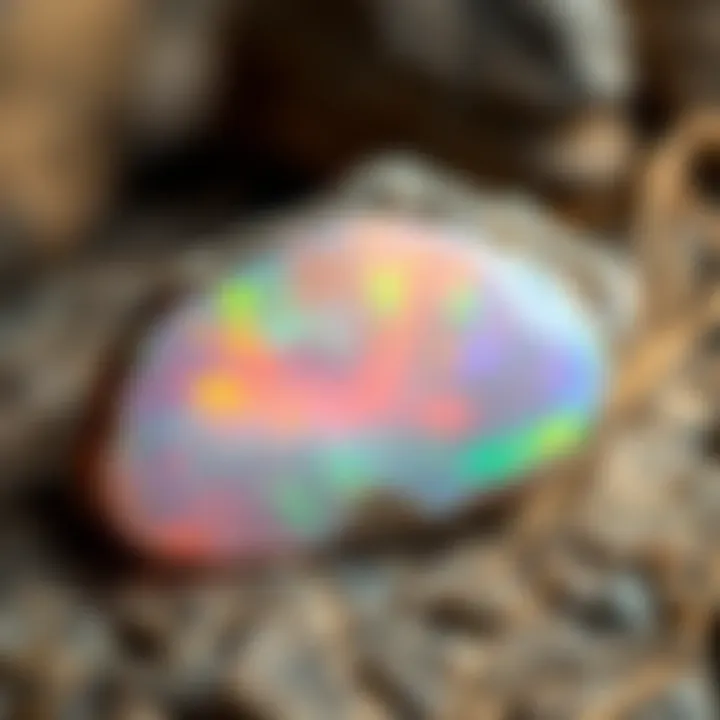
Opal rock stands as one of nature's most fascinating creations, a testament to the age-old interplay between geological processes and cultural narratives. As we journey through this vibrant gemstone's multifaceted existence, we will uncover not just its beauty but also the intricate science behind its formation, the kaleidoscope of varieties it offers, and its significant impact across various cultures. This exploration is not solely an academic endeavor; it is a call to appreciate the stories woven through time and space that opals represent.
Types of Collectibles
Opal has carved out its niche in the world of collectibles, attracting both seasoned aficionados and curious newcomers. The allure comes from not just the opal itself, but the stories and uniqueness each piece embodies.
Overview of Collectible Categories
Collecting opals can be categorized into several engaging realms:
- Natural Opals: Pure opals that have formed without any human intervention.
- Synthetic Opals: Created in labs, these gems mimic their natural counterparts, often more affordable.
- Boulder Opals: Found within ironstone boulders, these carry a unique texture and color.
- Crystal Opals: Clear to translucent with vibrant play-of-color.
- Black Opals: Known for their dark body tone and brilliant colors, highly sought after.
This variety serves to entice collectors who might be keen on specific types based on aesthetic value or investment potential.
In-Depth Look at Each Category
Take the black opal, a gem that transforms light into a brilliant dance of hues, making it a prized possession among collectors. Originating predominantly from Australia, these opals captivate the imagination.
Boulder opals often reveal a raw, rugged artistry, offering a glimpse into the geological environment where they formed. Their matrix may tell a story that synthetic or crystal opals simply cannot.
In contrast, the vibrancy of crystal opals offers an ethereal quality, often seen as a bridge between earth and dream. The clarity combined with the spectral colors makes each piece a true spectacle.
"Collecting opals is like holding a piece of the universe in your hands; each stone holds a secret waiting to be discovered."
This diversity in types gives collectors a wide spectrum from which to choose, ensuring that everyone can find a piece that resonates with their tastes or aspirations.
Identification Techniques
Identifying opals isn't merely a task; it's an art. Knowing what to look for can make the difference between a high-quality collectible and a simple rock.
Essential Tools for Collectors
- Loupe or Microscope: Essential for examining fine details and internal structure.
- UV Light: Helpful in revealing fluorescent properties in certain opals.
- Scale: To weigh your collection for valuation purposes.
- Hydrometer: To measure the water content in opals, especially relevant for identifying certain types.
These tools provide the necessary means of distinction and ensure that collectors make informed purchases or evaluations.
Identification Methods for Rocks and Minerals
Identifying opals involves more than just visual assessment. Educated evaluations often involve:
- Physical tests (like weight and scratch tests).
- Assessing color play by observing the stone under different lighting conditions.
- Analyzing patterns, as each type of opal may demonstrate unique formations.
Additionally, consulting trustworthy reference materials or forums related to geology can augment any collector's knowledge base.
Understanding Opal Rock
The essence of grasping the concept of opal rock lies in its multifaceted nature. Opal is not merely a stone; it embodies layers of geological history and cultural significance that resonate through time. From the shimmer of its surface to the tales embedded within its matrix, this article seeks to shed light on these intricate aspects. By dissecting the unique properties and chemical composition of opal, one can appreciate its place in both the natural world and human history.
What is Opal?
Opal is a mineraloid, comprised mostly of silica and water. Unlike many gemstones characterized by crystalline structures, opal’s amorphous nature grants it a distinctive blend of appearances. This quality attracts both gem enthusiasts and geologists alike. Come rain or shine, the allure of opal comes from its shimmering colors and the potential for unexpected beauty lurking beneath its surface. As opal often displays a spectrum of colors, ranging from blues and greens to fiery reds, understanding its essence requires an appreciation for its variance and unpredictability.
Physical Properties
Opal’s physical attributes form a significant part of its allure. Each physical property contributes to the unique personality of the stone.
Color variations
Opal showcases a remarkable array of color variations. This characteristic is often attributed to the structural composition of the stone itself. Tiny silica spheres within opal can diffract light, leading to a kaleidoscope of colors—commonly referred to as "play-of-color." This vibrant display is a driving factor for many collectors, as no two opals are alike. Collectors appreciate the unpredictability that these hues bring, making them a popular choice in the world of gems.
Transparency and opalescence
Transparency and opalescence also play pivotal roles in defining opal's charm. The degree of transparency can vary from completely opaque to nearly see-through, affecting the overall appearance and value of each stone. Opalescence, on the other hand, is a unique optical phenomenon exclusive to opal, enhancing its visual intrigue. Often seen as a beneficial characteristic, these qualities give depth to the stone, impressing upon viewers the sheer complexity of its nature.
Sectile nature
Another noteworthy feature of opal is its sectile nature. This means that opal can be cut with ease using a knife, a property that suits artisans well in the jewelry-making process. This flexibility allows for intricate designs that showcase the stone's natural beauty. However, with this softness comes the responsibility of careful handling. Acquainting oneself with opal's delicate composition ensures that collectors can enjoy their investment without fear of damaging it.
Chemical Composition
Delving deeper, we find that opal's chemical makeup is a cornerstone of its identity. The interaction of its components shapes not just its beauty but also its durability.
Silica content
Silica content in opal ranges significantly, typically between 5% and 20%. This presence gives opal its characteristic brilliance and forms the basis for its varied visual effects. High silica content relates to enhanced durability, making specific types more sought after by collectors. Understanding this aspect is essential for anyone interested in evaluating opal’s quality and potential value.
Water inclusion
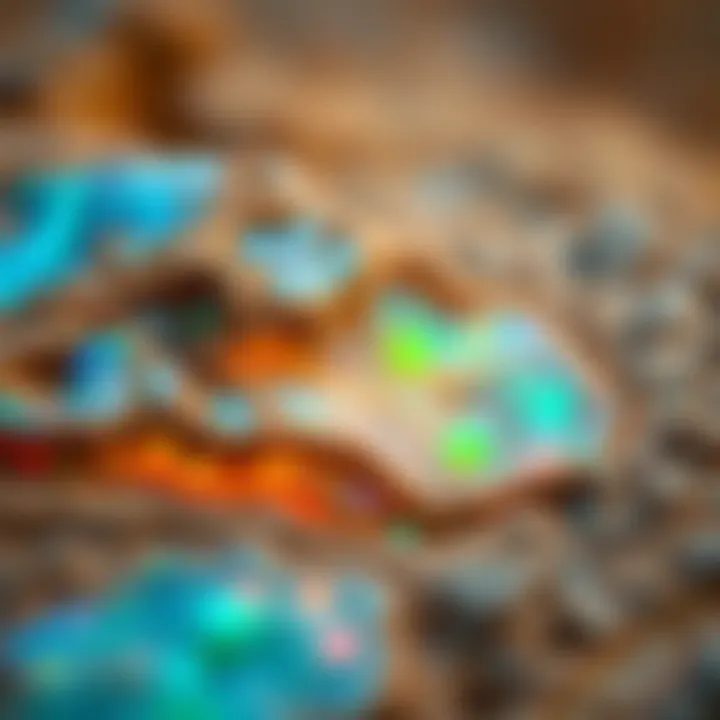
Water inclusion contributes to the uniqueness of opal. The moisture trapped within the opal structure can fluctuate under different environmental conditions, affecting the stone's appearance. While this factor often adds to the intrigue, it also means collectors must store opals in controlled environments to prevent cracking or fading. It’s a fine balance - the enchanting quality of water inclusion needs attentive care.
Formation process
The formation process of opal is a geological spectacle worth noting. As silica-rich water seeps into cavities and crevices over eons, it undergoes a series of physical and chemical changes. This long-term process ultimately leads to the creation of opal. Without grasping this significant backdrop, the appreciation for opal’s complexity remains incomplete. Furthermore, understanding its formation provides insight into the various types of opal available in the market today.
Formation of Opal
The formation of opal rock stands crucial to understanding its beauty and cultural significance. This section dives into the geological processes that create opal, as well as the different varieties that emerge. Opal's intricate formation, often a result of chance conditions across millennia, highlights its uniqueness. Such insights not only interest geology enthusiasts but also enhance appreciation among collectors and artisans who incorporate these gemstones into their crafts.
Geological Processes
Sedimentary environment
The sedimentary environment provides a fertile ground for the formation of opal. Water plays a pivotal role in this process, acting as a carrier for silica that eventually leads to opal's creation. In places like riverbeds or ancient lakes, silica from volcanic ash mixes with water and sediments, creating conditions that favor opal formation. This process can take thousands to millions of years, making opal a true gem of patience and time.
One key characteristic of sedimentary environments is their stability, which allows for the gradual deposition of layers of silica. This characteristic also translates to the opal itself, often resulting in stunning patterns and colors that tell a story of geological history. However, not all sedimentary environments yield opal equally; factors such as pH, temperature, and mineral content can greatly impact the outcome. This variability can be seen as both an advantage and a complication for those studying opal formation.
Volcanic interactions
Volcanic interactions contribute another layer to the complex tapestry of opal’s development. When volcanic eruptions occur, they release considerable amounts of silica-rich volcanic ash. These materials can mix with existing groundwater, setting the stage for opal to form as the silica gradually precipitates out of solution.
The unique feature of this process lies in the rapidity of formation; some opal can form relatively quickly compared to sedimentary processes. This characteristic makes volcanic environments particularly interesting for researchers and collectors alike. They often yield particularly vibrant colors due to the presence of diverse minerals found in volcanic ash. However, this rapid formation can also be a double-edged sword—while some opals showcase breathtaking colors, others may lack the structural integrity that slower-formed opal possesses.
Diagenesis
Diagenesis refers to the physical and chemical changes that occur in sedimentary rocks after their initial formation. This process can significantly impact the formation of opal, especially in how silica is deposited. Over time, sediments bury the original silica deposits and apply pressure, causing water to dissolve some minerals and precipitate new forms, including opal.
The key characteristic of diagenesis is its ability to alter existing materials. This aspect works in favor of opal creation, as sediments that may not have started as opal-rich can eventually transform through diagenetic processes. A unique feature of opals that form through diagenesis is often their mixed characteristics, yielding compounds with both precious and common opal qualities. However, this can also result in inconsistencies that make identifying high-quality specimens challenging for collectors and enthusiasts.
Types of Opal
Precious opal
Precious opal is perhaps the most celebrated type among collectors given its stunning play-of-color. This opal displays a brilliant spectrum of hues, sometimes shimmering when viewed from different angles—a characteristic that makes it highly sought after.
The variation in color is a crucial element; no two precious opals are alike, which adds to their desirability and value in the market. The presence of silica spheres arranged in a three-dimensional lattice allows for this unique optical phenomenon. It is a popular choice for jewelry, often set in gold or silver to highlight its vibrant colors. One disadvantage, though, is that precious opals can be more susceptible to damage, requiring careful handling and storage.
Common opal
Unlike precious opal, common opal lacks the play-of-color that makes its counterpart so desirable. However, common opal has its own unique attributes. It often exhibits a range of colors, including white, brown, and gray, and has a more opaque appearance.
This type of opal is often more abundantly found, making it readily accessible for those interested in collecting or crafting. It can be cut into cabochons or used as beads in jewelry. While common opal presents advantages with its relative durability, the lack of visual depth can be seen as a disadvantage for collectors seeking opals with more character.
Boulder opal
Boulder opal stands out as a unique form of opal, as it is found within ironstone boulders. This type retains much of the natural rock, leading to striking pieces that showcase both opal and surrounding matrix.
The key characteristic of boulder opal is its ability to combine both the beauty of opal and the rugged texture of the host rock, creating pieces rich in visual interest. Collectors appreciate this uniqueness since each boulder opal piece tells an individual geological story. A disadvantage might be that this opal type can vary widely in quality, making it essential for collectors to have a discerning eye.
Fire opal
Fire opal is another captivating variety, renowned for its warm, fiery hues that range from yellow to orange and even red. It is often translucent to transparent, setting it apart from other opals.
The appeal of fire opal lies in its vibrant colors and high transparency, making it an attractive option for those who wish to create standout jewelry pieces. This type of opal is especially popular in specific regions such as Mexico, where it is mined. However, fire opal can display a weaker structure compared to others, necessitating careful work when crafting and setting to prevent fractures.
Identifying Opal
Identifying opal is fundamental for both collectors and enthusiasts interested in these unique gemstones. Distinguishing genuine opal from imitations and understanding its characteristics not only aids in making informed purchases but also enhances the appreciation of this remarkable stone. Knowledge of both field identification and lab analysis amplifies the experience for those invested in geology or the art of gemology.
Field Identification Techniques
Field identification techniques play a pivotal role in recognizing opal's traits and validating its authenticity without the need for extensive laboratory analysis. These methods lend themselves well to collectors actively examining stones in varied conditions.
Use of a jeweler's loupe
A jeweler's loupe is invaluable when it comes to identifying opal. Equipped with a magnifying lens, this tool allows for close inspection of the stone’s surface and internal features. By using a jeweler’s loupe, individuals can detect inclusions or flaws that may not be visible to the naked eye. It’s particular helpful because it can provide insights into color play, a hallmark of precious opals.
However, relying solely on this method can have its drawbacks. Not all buyers might have access to proper lighting conditions to evaluate the opal accurately. Furthermore, the loupe requires a steady hand and clear vision to maximize its effectiveness. Overall, though, it remains a popular choice for immediate field assessments.
Light tests
Light tests represent another straightforward method of identifying opal's characteristics. Observing the stone under natural daylight versus artificial light reveals distinctions in color and transparency. This is because opals display a variety of colors that can change based on the light.
This method is advantageous as it provides a quick way to evaluate the stone's quality and opalescence. By shifting angles, the stone’s play-of-color becomes apparent, adding to its allure. One limitation, however, is that this method requires proper ambient lighting, which may not always be possible outdoors or in certain locations.
Visual inspection
Visual inspection is the simplest form of identifying opal. Here, one relies on their eyes to gauge the stone's overall appearance, assessing its shape, color, and clarity. The immediate observations can help identify if the stone is consistent with what a genuine opal should look like.
Primarily, this technique is advantageous due to its accessibility; anyone can perform a visual inspection without needing specialized equipment. However, it may not suffice for deeper analysis to determine the stone's authenticity or quality. Without close examination, it’s easy to misidentify an opal or miss crucial details that define its value.
Lab Analysis Methods
While field identification techniques might suffice during casual assessments, lab analysis methods provide deeper insights, ensuring that what you have is indeed the real deal.
Spectrometry
Spectrometry serves as a crucial analytical method in the identification of opal. This technique examines the spectrum of light emitted or absorbed by samples, providing detailed chemical information. Using this method, gemologists can determine the specific types of opal and differentiate between synthetic versus natural varieties.
Its significant strength lies in its precision, allowing for better data collection on the opal’s composition and characteristics. One downside is the cost—access to spectrometry often requires professional equipment. Not everyone can afford or justify this level of analysis for casual collections, making it more suited for serious gemmological endeavors.
X-ray diffraction
X-ray diffraction helps identify the structure of opal by analyzing how X-rays are scattered by the mineral composition. This method verifies if the opal matches expected patterns characteristic of a specific type of opal.
The key characteristic here is the ability to provide definitive insights into the crystal arrangement of opal, making it invaluable for researchers and high-end collectors. Still, it requires substantial expertise to interpret the results accurately, which can be a barrier for some.
Refractive index measurement
Refractive index measurement is a classic yet efficient method for identifying opal. This process involves measuring how much light is bent as it enters the gemstone. Each opal has a distinct refractive index, giving gemologists an effective tool to differentiate between types.
This technique is beneficial as it provides quick information allowing for easy differentiation. However, the downside is that effectively using a refractometer often requires practice. For newcomers, it can take time to develop the skill necessary to interpret readings accurately.
Cultural Significance of Opal
Opal holds a significant place not just in geology, but also in the cultural fabric of various societies. The unique beauty and properties of opal have sparked human imagination and creativity for centuries. This section delves deep into its historical importance, contemporary applications, and regional significance, showing how opal is more than just a mineraloid; it is a symbol of cultural identity and artistic inspiration.
Historical Perspectives
Use in ancient civilizations
In ancient civilizations, opal was treasured far beyond its physical appearance. It was often seen as a stone of prophecy, a link between the earthly realm and the divine. The Romans, for instance, called opal "the queen of gems" due to its mesmerizing play-of-color. It was believed that wearing opal would bring luck and protect the wearer from harm. This unique feature, its ability to change colors and shimmer like no other stone, made it an attractive choice for many.
The ancient Egyptians also embraced opals, utilizing them in burial ornaments. They viewed the stone as a symbol of hope and full of vitality, believing it could aid the deceased in the afterlife. By exploring this aspect, we see how the opal's perceived vibrations were deeply entwined with rituals and beliefs, giving it a prominent role in cultural traditions of various ancient societies.
Opal in mythology
Opal has also found its place in mythologies across the globe. In Hindu mythology, it is associated with the goddess of love, beauty, and compassion, Lakshmi. This connection underscores the emotional and spiritual value bestowed upon opals. The shimmering colors were thought to reflect vibrancy and positivity in one's life. Opal’s spot in myths makes it a crucial focal point when assessing its cultural relevance, revealing how it was linked to deities and fate, often used in talismans to ensure protection and favorable outcomes.
Regional significance
Regionally, opals are often intertwined with identity and heritage. For example, in Australia, which houses the world's richest opal deposits, the stone is not just a commercial product but a vital part of Aboriginal culture. Many indigenous stories and traditions are connected to opal, often tied to the Dreamtime lore. Such narratives elevate opals from mere geological curiosities to woven elements of cultural identity. The unique meaning and stories associated with opals underscore their importance in regional contexts, enriching the cultural landscape.
Contemporary Uses
Jewelry and adornments
Today, opals shine brightly in the realm of jewelry and adornments. The vibrant hues and unique patterns stand out in pieces ranging from rings to necklaces. Many artisans craft bespoke jewelry that showcases opal's properties, making it a sought-after material for both everyday and luxury items. This captivating use maintains opal’s cultural significance as the designs often carry personal or familial meaning, serving as tokens of heritage and remembrance as well.
Artistic inspirations
Beyond jewelry, opal has entered the world of art, inspiring painters, sculptors, and artisans alike. Its color play becomes a muse for creative minds who seek to replicate the stone's beauty in their work. Many contemporary artists harness opal's ethereal qualities to explore themes of transformation and illumination, creating works that resonate on multiple levels. This tactic not only enhances art but ensures that opal remains a living part of human creativity, carrying forward its legacy from ancient to modern times.
Investment potential
Lastly, in today’s market, opals are viewed as significant investments. With increased interest in ethical sourcing and unique gemstones, opal’s value has been rising steadily. Collectors often seek rare varieties, such as black opals or those with unique patterns and vibrant colors. This market aspect of opal reflects evolving consumer preferences, emphasizing the need for transparency in the trade. By discussing the investment potential, we gain insight into how opals continue to adapt within the commercial sphere while holding steadfast to their cultural heritage.
Opal Trade and Market
The opal trade plays a vital role in the overall significance of this unique gemstone. This section delves into the various mining regions known for their opal production, analyzes market trends, and highlights what factors influence prices and collector interests. Understanding the dynamics of the opal market not only helps potential investors and collectors make informed choices but also sheds light on the cultural and geological aspects that make opals so treasured.
Mining Regions
Australia
When it comes to opals, Australia is often at the top of the list. Known as the "Opal Capital of the World," this continent produces about 95% of the world's precious opals. The primary mining areas, such as Coober Pedy and Lightning Ridge, have become synonymous with opal thanks to their rich deposits.
One of the key characteristics that sets Australian opals apart is their vivid color play and patterns. The unique conditions required for opal formation—often connected with the country's dry climate and specific geological layers—have created a stunning array of opals, which have gained significant popularity among collectors.
However, mining in Australia is not without its challenges. The operations can be dangerous and environmentally taxing, and regulations surrounding mining practices keep evolving. Still, the allure of finding that perfect opal continues to drive interest in Australian mines.
Ethiopia
Ethiopia has emerged as a major player in the opal market in recent years, rapidly gaining a reputation for producing vibrant stones with unique color patterns. The remarkable find at Welo Valley has introduced opal varieties that are specific to Ethiopia, such as "Welo opal" and "boulder opal".
A notable aspect of Ethiopian opals is their translucency and vibrant spectral colors, which have attracted a different crowd of collectors. The Ethiopian mining scene is also characterized by rudimentary extraction methods, which have raised some environmental concerns. Still, the variety and stunning beauty of these opals make them an exciting topic in the global opal market.
While the Ethiopian opal market is growing, it faces challenges concerning sustainability and fair labor practices at mining sites. Transparency in the supply chain is crucial for collectors who want to ensure that their purchases align with ethical guidelines.
Mexico
Mexico rounds out the trio of prominent opal-producing nations with its distinct varieties, including fire opals and Mexican opals known for their warm colors and transparency. The Hidalgo region is particularly famous for fire opal, characterized by vibrant orange to red hues. This variety can hold a broad appeal for collectors seeking something different from typical Australian stones.
What makes Mexican opals stand out is their cultural significance within the region, often linked to ancient artifacts and local traditions. While they may not command the same prices as their Australian counterparts, Mexican opals find a niche audience who appreciate their unique look and heritage.
However, the restrictions based on mining locations and fluctuating quality can lead to uncertainty for collectors and connoisseurs alike. Overall, the combination of rich history and vibrant traits makes Mexican opals a compelling segment of the global market.
Market Trends
Price factors
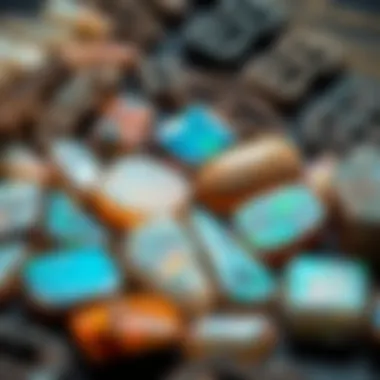
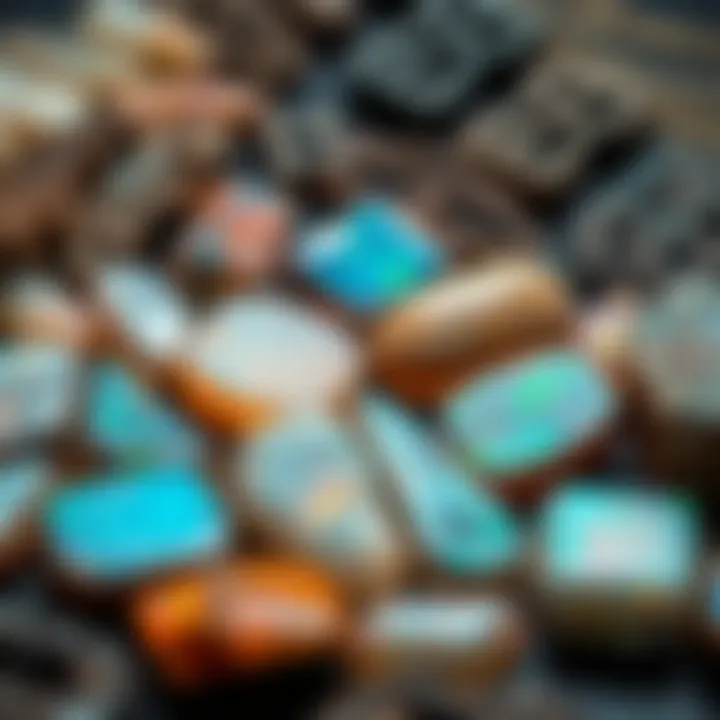
The price of opals can vary widely based on several factors, including color quality, size, and origin. High-end opals, like those from Lightning Ridge, can fetch astronomical prices compared to common opals.
Factors impacting price include:
- Color intensity: Opals with a striking range of colors and a strong play of color typically command higher prices.
- Rarity: Limited availability often drives prices up, especially for unique varieties.
- Market demand: Fluctuations in global demand can affect what collectors are willing to pay.
Understanding these aspects helps buyers better navigate the opal market, whether they're looking for investment-grade stones or personal displays.
Collector interests
Collector interest forms a significant part of the opal market, with different collectors attracted to various unique qualities. Some focus on aesthetic appeal, driven by personal taste. Others look for investment opportunities or rare pieces that might appreciate over time.
Characteristics collectors value include:
- Provenance: Knowing the mining region adds to an opal's story and value.
- Unique features: One-of-a-kind patterns or inclusions can create desirability.
- Certification: Verified authenticity assures buyers about quality and origin.
Engagement in collector circles often leads to opportunities to share knowledge and marvel at individual collections, thus enriching the experience further.
Emerging markets
Emerging markets for opals are beginning to cultivate significant interest. Countries like Brazil and India are exploring potential within the opal sector, contributing to an ever-growing diversity in the market.
One key aspect of emerging markets is their potential for introducing new varieties and expanding the overall scope of what's available to collectors. Additionally, advancements in mining and technology in various regions are leading to better recovery methods and higher quality stones.
Nevertheless, these emerging markets can also face volatility in stability and quality assurance. As they grow, it's crucial for buyers to stay informed and tread carefully to avoid potential pitfalls.
Understanding the nuances of the opal market enables collectors and enthusiasts to appreciate not only the stones themselves but also the stories that accompany each piece.
Care and Maintenance of Opal
Taking care of opal is crucial for preserving its beauty and ensuring its longevity. Opals, with their intricate internal structures and glassy finish, require a bit of attention to keep them looking their best. Proper care not only maintains their aesthetic appeal but also protects their natural qualities that make them unique. The importance of understanding how to store and clean these gems cannot be overstated, especially for collectors who wish to maintain the value of their pieces.
Storage Recommendations
Appropriate Environments
When it comes to storing opals, the environment plays a significant role. An ideal storage location needs to be cool and dark. Sunlight can cause the opals to fade and lose their vibrant colors over time. An enclosed box, lined with a soft material, can serve as a favoable choice for keeping opals safe from dust and scratches. The unique feature of a controlled environment is that it minimizes exposure to air and moisture, thereby reducing the chances of unwanted damage. Storing opals in the right environment is a common recommendation among geologists and collectors alike.
Preventing Scratches
Scratches can ruin the pristine surface of an opal, dulling its luster. The key characteristic of preventing scratches lies in how and where you store your stones. It's wise to keep opals separated from other gemstones, as harder gems can easily mar their surface. Using soft pouches or a dedicated compartment in a jewelry box can be a practical way to avoid scratches. The advantage of taking these precautions is the extended life of the opals, ensuring they remain as radiant as the day they were acquired.
Humidity Considerations
Humidity can wreak havoc on opals, particularly those with a higher water content, like precious opals. Keeping opals in an environment where the humidity levels are stable and not too high can help avoid issues such as cracking or crazing. A beneficial method is to store them in a silica gel bag when needed, which maintains a low-humidity level. This prevents fluctuations that could cause the gems to dry out or absorb too much moisture. The disadvantage of neglecting this aspect could result in permanent damage to the stones, rendering them far less appealing and valuable.
Cleaning Techniques
Cleaning opals necessitates a gentle touch. A thoughtful approach can ensure that these stunning gems retain their brilliance without being harmed.
Gentle Cleaning Agents
Using gentle cleaning agents is essential when maintaining opals. Avoid harsh chemicals and opt for mild soap mixed with warm water. The key characteristic here is that gentle cleaning agents remove dirt without damaging the surface or impairing the opal's natural saturation. The unique feature of this method is its ability to clean effectively while being safe for the stone's delicate structure, making it a popular choice for collectors.
Safe Methods
When it comes to cleaning techniques, employing safe methods is critical. Avoid using ultrasonic cleaners or steamer devices, as they can inadvertently crack or shatter opals, particularly if the gemstone has any internal fractures. A popular safe method involves using a soft cloth for wiping or gently rinsing the stone under lukewarm water. The advantage of following these methods is maintaining both the cleanliness and integrity of the gem.
Frequency of Cleaning
Another important aspect is how often you clean opals. Over-cleaning can lead to wear and tear; thus, it's advisable to clean them only when necessary. Regular inspections can help determine if an opal needs a gentle clean. The key here is that too frequent cleaning can strip away the natural oils that give the gem some of its character. Balancing between maintaining cleanliness and protecting the stone’s surface is worth pondering for every collector.
Culmination
The exploration of opal rock, highlighted throughout this article, serves as a vital intersection of geology and culture, illustrating not only the scientific processes behind its formation but also its deep-rooted significance across various civilizations. Understanding opal involves appreciating its complex physical and chemical properties, which together contribute to its unique beauty and allure. For those invested in geology or rock and fossil collection, recognizing opal's importance can amplify their passion for the subject.
Summary of Insights
The journey through this article illuminates several key insights:
- Geological Journey: Opal's formation occurs over thousands of years through intricate geological processes. From silica-rich waters to its eventual solidification, each step is crucial in producing the stunning stones enthusiasts cherish today.
- Cultural Tapestry: Opal has long been a part of human history, embraced in art, jewelry, and folklore. Its varied colors have inspired myths, often representing luck and protection.
- Diverse Varieties: The classification of opals into categories, such as precious, common, and fire opals, showcases the range available and the distinct characteristics each type holds. This diversity helps collectors appreciate the subtle nuances within their collections.
- Market Dynamics: The current state of the opal market offers a reflection of broader economic trends, influencing how these gems are valued and sought after today.
In essence, the insights gathered illustrate how opal rock is more than just a geological specimen; it's a symbol of human creativity and connection to the earth.
Future Perspectives
Looking ahead, the future of opals seems bright, with several factors deserving attention:
- Innovative Mining Techniques: As technology progresses, new methods for mining and processing opals may surface, potentially increasing efficiency while reducing environmental impact.
- Cultural Revival: Interest in natural stones and their historical contexts may lead to a renaissance of traditional crafting methods. Artisans may rediscover the techniques of their ancestors, enhancing the cultural significance tied to opal.
- Sustainability Efforts: With growing concern for environmental sustainability, the industry might witness a push for ethically sourced opals. Collectors may place greater value on stones that come from responsible practices, aligning personal values with their collections.
- Investment Opportunities: As opals gain more recognition, they may also evolve as a form of investment. The market could witness increased activity from collectors and investors alike, highlighting the gem's dual role as both a collectible and a financial asset.
"In the world of gems, opals shine not just for their colors but also for the stories they carry across time and culture."
For more detailed information about opals, you can visit resources such as the British Geological Survey or Wikipedia's dedicated page on Opals.
As we traverse new avenues of knowledge and understanding concerning opal rock, let us celebrate its beauty and depth, paving the way for critical appreciation and responsible stewardship.