Exploring Large Selenite Crystals: Their Significance and Uses
Intro
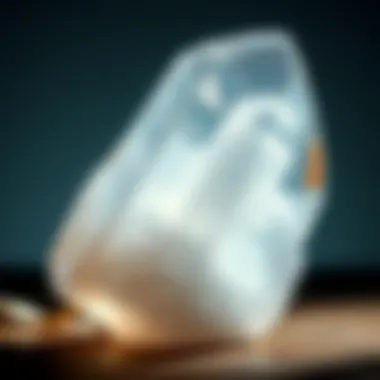
In the multifaceted world of mineral collecting, large selenite crystals hold a unique place of admiration, both for their stunning beauty and their intriguing properties. These translucent giants, often resembling delicate ice sculptures, capture the attention of mineral enthusiasts and casual observers alike. Their ethereal glow, coupled with their impressive size, invites a deeper inquiry into not just their physical formation, but also their broader significance in various cultures and metaphysical practices.
Understanding selenite requires an exploration of its origins, properties, and applications. From ancient civilizations that revered this mineral to modern practitioners who utilize its purported metaphysical properties, selenite's narrative is rich and layered. This article aims to navigate through the complexities surrounding large selenite crystals, uncovering unique insights and practical knowledge for collectors and enthusiasts.
As we embark on this journey, we will dissect various collectible categories, delve into identification techniques, and reflect on the cultural impact of selenite in different settings. It’s a fascinating world, where science and spirit collide, and the allure of these crystals beckons.
Types of Collectibles
Overview of Collectible Categories
When it comes to selenite, collectors often categorize specimens based on several key factors, including size, clarity, and form. Large selenite crystals can generally be classified into a few primary categories:
- Natural formations: These are pieces extracted directly from the earth, often found in spectacular clusters or individual crystal points.
- Polished pieces: These have been worked on to enhance their visual appeal, revealing their inner beauty through a smooth finish.
- Artistic sculptures: Some collectors may seek out unique carvings or sculptures made from selenite, which showcase both natural and artistic craftsmanship.
In-Depth Look at Each Category
- Natural formations: Natural selenite specimens can often be found in cave systems or saline deposits. These formations are characterized by their unique shapes and often display striations and patterns that reveal their geological history. They’re often sought after for their authentic, untouched appearance.
- Polished pieces: Polished selenite shines with an alluring glow, making it a popular choice for those looking to showcase their collection. Being clear or semi-transparent, these pieces highlight the internal beauty of the crystal while providing a smooth texture that's pleasing to the touch.
- Artistic sculptures: In this category, one can find everything from abstract representations to lifelike forms, often crafted by artists inspired by the mineral's unique properties. These sculptures may be used as decorative pieces, serving to bless a home with positive energy, as many believe selenite possesses cleansing properties.
Identification Techniques
Essential Tools for Collectors
Identifying and verifying large selenite crystals necessitates some essential tools:
- Loupe or magnifying glass: This tool aids in examining the crystal's surface and internal structure, helping to distinguish between genuine selenite and imitations.
- Hardness testing kit: Selenite has a Mohs hardness of 2, meaning it can be easily scratched with a fingernail, which is a key identifying feature.
- Light source: A flashlight shines through selenite due to its translucence, revealing its true beauty and clarity.
Identification Methods for Rocks and Minerals
When it comes to selenite, there are a few identification methods that can be employed:
- Visual examination: Look for the characteristic clarity and color range that selenite exhibits—typically ranging from white to shades of yellow and even brown.
- Physical properties: Check the crystal’s structure, which should appear in pointed formations and reflect light well. The presence of striations can be a telling factor in determining its authenticity.
- Testing for cleavage: Selenite typically has perfect cleavage in one direction, a property that can often be tested by gently splitting a small sample along natural lines.
"Selenite is not just a collectible; it's a bridge between the earth and the ethereal, a keeper of ancient wisdom and beauty."
As we navigate through this dynamic exploration of selenite crystals, we will soon delve into their metaphysical properties and practical uses, revealing just how integral they are to both collectors and cultures around the globe.
Prelude to Selenite Crystals
Talking about selenite crystals really opens a world of fascination, considering their unique features and cultural implications. These shimmering formations not only captivate the eye but also bring with them a rich history intertwined with human experience. This section provides an essential background on selenite, laying the groundwork for understanding its myriad uses and the electrical impact it has on our physical and metaphysical realms.
Understanding Selenite
Selenite, a transparent form of gypsum, is known for its distinct and ethereal glow. Its name, derived from the Greek word "selenites," meaning "moonstone," speaks to its delicate beauty that resembles the soft light of the full moon. Selenite possesses a crystalline structure that gives it a unique light-reflecting ability, enhancing its captivating elegance. Commonly found in sedimentary rock formations, it appears in towering formations or delicate blades, hinting at the slow and patient processes of nature that created it.
In the world of collecting, selenite holds its own. Its accessibility and serene appearance make it a favored choice among rock and fossil collectors. Many enthusiasts appreciate the tactile experience of selenite, enjoying how its smooth surface feels as they handle it, creating a personal connection to this natural marvel. Known to exhibit varying shades of white, cream, and even hints of orange or yellow, finding clear large specimens can feel like discovering hidden treasure.
Aside from aesthetics, selenite is prized for its purported metaphysical properties. Many people believe that selenite can cleanse other crystals, acting as a kind of energetic sponge. It’s said to promote peace and clarity, making it popular among healers and spiritual practitioners. This amalgamation of beauty and depth ensures that selenite remains a valuable piece in any collection, serving both visual and energetic purposes.
Historical Context of Selenite
Selenite's historical significance stretches back to ancient civilizations, where it was often revered both for its beauty and its supposed spiritual qualities. The ancient Egyptians valued it highly; they believed it could protect against negative energies. Selenite was frequently used in tombs and temples as an offering to the gods, reflecting their beliefs in its protective properties. Historical artifacts carved from selenite have been discovered across various archaeological sites, showcasing its enduring legacy.
In more recent history, the popularity of selenite surged during the New Age movement. Many individuals began to explore alternative healing methods, rekindling interest in the crystal's metaphysical applications. Collectors and enthusiasts were drawn to its soothing and purifying properties, often incorporating it into meditative practices. As a result, selenite gained prominence not just as a mineral specimen, but as a necessary tool for energy work.
In many cultures, selenite represents purity, spiritual enlightenment, and communication with higher realms. Its rich tapestry of uses and beliefs reflects the connections different societies have formed with this crystal throughout the ages. As we dive deeper into the physical properties of large selenite crystals, it is essential to understand not only what they are, but also how they intertwine with our past and influence our spiritual landscapes today.
Physical Properties of Large Selenite Crystals
The physical properties of large selenite crystals are not just about their looks. They provide insight into their formation and how they interact with their surroundings. Understanding these characteristics is crucial for collectors and enthusiasts interested in both the aesthetic and scientific aspects of these stunning minerals. This section will delve into specific elements like crystal structure, color variations, and dimensions, highlighting the unique appeal that large selenite crystals hold.
Crystal Structure and Formation
Selenite is a form of gypsum, composed primarily of calcium sulfate dihydrate. The crystal structure of selenite can be described as monoclinic, which means the crystals grow in a distinct, elongated shape often resembling flattened blades. This unique structure is a result of the mineral's formation process, typically occurring in sedimentary rock environments where evaporite processes take place. As water evaporates from mineral-rich solutions, selenite crystals can form, gradually taking their imposing shapes.
The significance here isn’t just technical; the crystal's structure contributes to its overall beauty and use. For instance, large selenite formations often exhibit transparent to translucent qualities, allowing light to dance through, creating an ethereal glow. This luminescence is a favored characteristic among collectors, causing many to seek out larger specimens for aesthetic display.
Moreover, the formation process can impact the durability of the crystals. While they may appear delicate due to their transparency, larger selenite crystals are surprisingly resilient when handled correctly. They can endure typical room conditions but should be protected against excessive moisture and physical stress, which could affect their beauty and integrity.
Color Variations and Patterns
When exploring large selenite crystals, one cannot overlook the fascinating range of color variations and patterns that nature can produce. These colors, often ranging from pure white to various shades of yellow, green, and even orange, are due to impurities and environmental factors influencing the crystal’s formation.
Some notable color variations include:
- White Selenite: The classic form, renowned for its clarity and light diffusion.
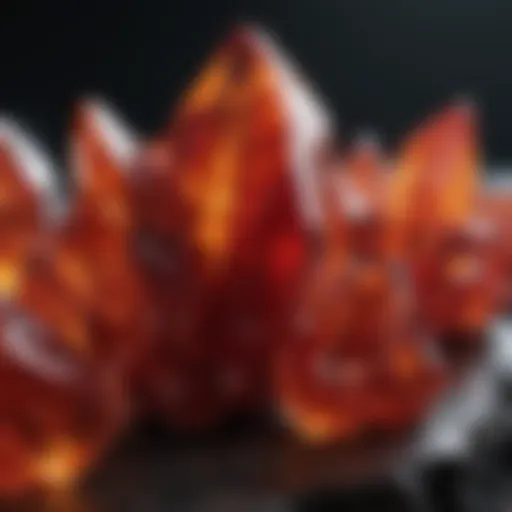
- Golden Selenite: Often seen in larger crystals, the warm tones can create a stunning visual contrast in a display.
- Pink or Peach Selenite: These hues often derive from the presence of iron or other minerals in the area of formation.
Patterns within the crystals can also be quite varied. Many large selenite specimens display striations or lines, which add a compelling dimension to their visual appeal. These lines often tell the story of how the crystal grew over time, giving observers a physical narrative that speaks to the natural history of the region where the selenite was formed.
"The magic of selenite lies in its ability to capture and reflect light, creating a unique visual feast that never ceases to amaze collectors and enthusiasts alike."
Size and Dimensions
Size is a critical factor in determining the value and appeal of large selenite crystals. Larger specimens can be truly striking, often becoming the centerpiece of a collection. Dimensions can vary widely, from small hand-held pieces to towering formations that stand multiple feet tall.
When seeking out these substantial crystals, collectors should consider the following aspects:
- Weight: Larger selenite crystals can be surprisingly heavy, impacting their transport and display.
- Proportions: The balance between height and width can influence the artistic appearance of the crystal. Some collectors prefer broader specimens to create an extraordinary visual presence.
- Clarity: The clearer the selenite, the more desirable it is, especially for larger pieces. Bubbles or inclusions can detract from their value.
In summary, the physical properties of large selenite crystals encompass a multitude of fascinating characteristics, from their structural composition to the intricate patterns formed throughout their growth. Understanding these features enhances appreciation for this mineral, making it a treasured component of any collection.
Metaphysical Properties of Selenite
The realm of metaphysics envelops various beliefs that extend beyond the physical characteristics of materials. When it comes to selenite, its metaphysical properties attract enthusiasts and skeptics alike. This translucent crystal, famed for its ethereal glow, is thought to harbor energies that can significantly affect one’s well-being and spiritual journey. Understanding these properties not only enhances an individual's perspective but also invites a deeper exploration into how this mineral interacts with the human experience.
Healing Properties and Uses
Selenite is often heralded for its purported healing abilities. Known as a powerful cleansing agent, it is believed to assist in clearing negative energies from both individuals and spaces. This mineral's ability to purify is not just anecdotal; many users report feeling a shift in emotional blocks after using selenite during meditation or placing it in their environment.
- Mental Clarity: Many claim that selenite promotes a sharper mental focus. By laying a piece over the crown chakra, users find themselves feeling grounded and clear-headed, which can foster decision-making and creativity.
- Emotional Healing: Selenite is linked to softening emotional conflicts. Holding the stone is said to invoke a sense of tranquility, allowing feelings of peace to wash over those who are troubled.
- Physical Healing: Some alternative therapists incorporate selenite in healing rituals, associating it with physical regeneration. Users often place selenite on afflicted areas of the body, hoping to amplify healing energy.
Just like warm honey, its energies seem to envelop those seeking relief, providing assurance that they are supported in their attempts to heal.
Energy Amplification
The notion of energy amplification is fundamental in the metaphysical community, and selenite is central to this concept. It is considered a powerful conductor of energy. This mineral is like a lightweight battery; it collects energy and then enhances and transmits it. Selenite not only amplifies the energy it receives but can also boost the effects of other crystals placed near it.
- Enhancing Other Stones: Pairs well with stones such as amethyst and rose quartz, creating a harmonious environment. Many practitioners believe that surrounding these stones with selenite catalyzes their positive attributes, leading to stronger outcomes.
- Space Cleansing: Those who practice feng shui often utilize selenite to open up spaces energetically, clearing out stagnant chi. Simply placing a large selenite crystal at the door of a home is said to invite positive energy while deflecting negativity.
This amplification effects have led to selenite being a staple in spaces dedicated to meditation or healing practices. It resembles a conductor in an orchestra, synchronizing energies, allowing harmony to take precedence.
Spiritual Significance
Selenite occupies a unique niche in various spiritual practices, often seen as a bridge connecting the physical and the spiritual realms. Its luminosity has captivated many, symbolizing purity, mental clarity, and spiritual vigor.
One of the more interesting facets of selenite is its connection to lunar energies. Named after Selene, the Greek goddess of the moon, it is often used in rituals related to the full moon or new moon phases. Practitioners believe that its energy can illuminate the path to spiritual growth and awareness.
- Meditative Practice: Incorporating selenite into regular practice can be a game changer. Light and weightless, many find that simply holding or placing selenite nearby can heighten spiritual experiences, making meditation feel richer.
- Channeling Energy: Those who channel energies frequently integrate selenite to aid the process. It is said to facilitate communication with higher self or spirit guides, resulting in more nuanced insights during spiritual practices.
As one may ponder the intrinsic connection they have with selenite, it’s suggested that reflecting on its role can pave the way for profound spiritual insights.
"Selenite is not just a stone; it’s a doorway to clarity, amplified energy, and spiritual encounters."
In summary, selenite’s metaphysical properties encourage deep exploration and engagement with one's inner self. Those pursuing healing, energy amplification, or spiritual growth find in selenite a steadfast companion on their journey, reflecting the very intricate relationships between the mineral world and human consciousness.
Collecting Large Selenite Crystals
Collecting large selenite crystals has become quite a passion for many enthusiasts. Not only do these crystals add beauty to collections, but they also serve various purposes in healing and metaphysical practices. The allure of these stunning formations lies not only in their aesthetic appeal but also in their potential significance within different cultures and belief systems.
Large selenite crystals are often seen as a bridge between the natural world and human experience. As collectors, it is vital to understand the characteristics that signify quality in these specimens. Knowing how to identify superior pieces can enhance any collection substantially, ensuring that what you have is both visually appealing and of good value.
Identifying Quality Specimens
When it comes to identifying quality selenite specimens, there are several factors to keep in mind. First off, clarity and transparency are paramount. High-grade selenite should be nearly transparent, allowing light to pass through easily, creating an almost ethereal glow. Look for crystals that lack inclusions or blemishes.
Another point of consideration is size. While larger pieces can be striking, it’s essential to balance size with quality. A big crystal that is cloudy or has flaws might not hold the same value as a smaller, flawless one. Furthermore, pay attention to the color. Selenite typically presents itself in shades of white or pale cream, though some specimens may exhibit warm orange or peach tones. Vibrant colors can indicate impurities, which may affect value.
In addition, understanding the geological formation of selenite can provide insights. Crystals that have grown naturally in specific conditions, such as from evaporated saltwater, will often showcase unique striations or formations. These natural patterns can be indicative of a crystal’s journey and authenticity.
Market Trends and Pricing
The market for selenite crystals has seen noticeable shifts in recent years, driven by the increasing interest in holistic practices and home decor rooted in natural elements. As more people turn towards alternative therapies, the demand for high-quality selenite has surged, consequently influencing pricing.
Typically, larger crystals tend to fetch higher prices. However, price does not solely depend on size. Factors such as quality, rarity, and seller reputation play significant roles. For instance, a well-preserved crystal in a unique shape can command a premium.
- Large, flawless pieces: These can range from hundreds to thousands of dollars, depending on their dimensions and uniqueness.
- Mid-sized specimens: Often found within the range of $50 to $300, depending on their clarity and market demand.
- Smaller gems: These may be acquired for under $50, largely depending on their aesthetic appeal and condition.
It’s wise to keep an eye on emerging trends, particularly those highlighted in online communities on platforms like Reddit and collector forums. Connecting with other enthusiasts can provide insights on pricing strategies and current market values.
Storage and Care
To preserve the beauty and integrity of large selenite crystals, proper storage and care are essential. Here are some tips to ensure your collection maintains its luster:
- Dry Environment: Selenite is sensitive to moisture and can absorb it, leading to cloudiness or damage. Store your crystals in a cool, dry place away from heat sources.
- Avoid Direct Sunlight: Prolonged exposure to sunlight can fade the color of selenite. Cover your crystals or display them in shaded areas to keep their vibrancy.
- Gentle Cleaning: To clean your selenite, a soft, dry cloth is usually the best bet. Avoid chemical cleaners as they can cause undesirable reactions.
- Display Consideration: Using soft materials such as felt or pillows in displays can prevent scratches. If stacking, be mindful of the weight and position to avoid breakage.
Taking these precautions will help ensure your large selenite crystals remain breathtaking additions to your collection, appreciating in both beauty and value over time.
Selenite in the Arts and Artefacts
Selenite’s allure stretches far beyond its geological origin, capturing the imagination of artists and craftsmen alike. Its unique physical properties, combined with its rich metaphysical background, make this crystal a fascinating subject in the world of art and design. As collectors and enthusiasts explore selenite, they are often intrigued by its varied roles in sculptures, jewelry, and cultural artifacts.
Use in Sculptures and Decor
Using selenite in sculptures and decorative items can be a visual feast. Artists are drawn to its translucent quality, which allows light to dance through in a mesmerizing manner. The material can be transformed into breathtaking sculptures, ranging from intricate figurines to imposing abstract shapes, appealing to diverse tastes.
- Light Play: The way selenite interacts with light adds a magical quality to any piece, making it an ideal choice for lamps and illuminated decor. When displayed, it can create an ethereal ambience, enhancing living spaces.
- Natural Aesthetic: Selenite's natural crystal formations often remain visible in sculptures, giving each piece a one-of-a-kind character. This organic aspect connects art more closely to nature, resonating widely with the environmental sensibilities of today’s collectors.
Some artists have even experimented with layering selenite to create dynamic compositions that change as one moves around the piece, captivating viewers with a 3D effect.
Selenite in Jewelry Making
The unique properties of selenite have also found their way into the world of jewelry making. Not only is the crystal beautiful, its metaphysical associations add layers of meaning to the pieces.
- Varied Styles: Jewelry designers often incorporate selenite in rings, pendants, and earrings, often pairing it with metals like silver or gold to create striking contrasts.
- Symbolism: Wearing this crystal is believed by some to promote mental clarity and peace, enhancing its appeal as a personal adornment or as a thoughtful gift.
- Healing Energy: Many aficionados consider selenite a powerful stone for healing, thus transforming jewelry into an object of empowerment and well-being.
Cultural Artifacts Involving Selenite
Throughout history, various cultures have recognized the value of selenite, integrating it into their artifacts and rituals. From ancient Egypt to contemporary Indigenous practices, this crystal has held significance.
- Egyptian Use: In ancient Egyptian art, selenite was often used in tomb constructions, believed to guide the deceased in the afterlife. The stone’s lustrous finish mirrored the moon and was symbolic of purity and clarity.
- Spiritual Practices: Many modern spiritual traditions utilize selenite in rituals intended for cleansing spaces or enhancing meditation practices. This has permeated through cultural artifacts that invoke spiritual energy.
- Historical Items: Archaeological findings have revealed selenite in various forms, such as amulets or figurines, showcasing its longstanding role in different cultural narratives.
Environmental Considerations
Exploring the implications of large selenite crystals on the environment is crucial for sustainable practices in the mineral trade. As these crystals gain popularity not just among collectors but also in various industries, understanding their extraction and the environmental impact becomes vital. It's essential to recognize the balance between the benefits we garner from selenite and the preservation of our natural world.
Selenite Mining Practices
The journey of selenite from its natural habitat to your home or collection begins with mining, a process that comes with its own set of challenges and ethical considerations. In many areas, selenite is extracted from sedimentary evaporite deposits, primarily found in places like the United States, Mexico, and Morocco. These locations offer rich veins of this mineral, but the methods employed can vary greatly.
Traditional mining techniques may involve open-pit mining, where rock and soil layers are removed to access the selenite below. This method, although effective, often leads to significant ecosystem disturbance, affecting plant and animal life in the surrounding areas. Additionally, the removal of selenite can lead to soil erosion and habitat destruction. As awareness grows about these practices, there’s a shift towards more responsible mining operations that prioritize minimizing environmental impact.
"The careful extraction of selenite isn't just a choice; it's our responsibility to the Earth and future generations."
Sustainability Issues
Beyond mining, sustainability secrets lurk in the proverbial shadows. With the increasing demand for large selenite crystals, it’s imperative to address the sustainability of these resources. The truth is, selenite isn't an infinite resource, and excessive harvesting can lead to depletion of reserves. What's even more concerning is that some local communities depend heavily on these resources for their economic survival, creating a tricky situation between ecological balance and human need.
Creating a sustainable approach involves several important aspects:
- Regulatory Frameworks: Encouraging regulations that promote sustainable mining operations can help protect delicate ecosystems.
- Community Engagement: Involving local communities in the discussion about mining practices can lead to better outcomes that respect both human and environmental needs.
- Research and Development: Innovative mining technologies that reduce environmental disruption need support and investment.
Promoting responsible sourcing of large selenite crystals elevates the conversation from mere collection to conservation, urging collectors and vendors alike to consider the ecological footprint of their pursuits. It's a delicate dance of ensuring the beauty and rarity of selenite can be enjoyed for years to come without sacrificing the health of our planet.
Practical Applications Beyond Collecting
When one thinks of selenite, images of exquisite crystal formations may come to mind. However, the use of large selenite crystals extends well beyond mere aesthetic appeal or collection for enthusiasts. This section navigates through the practical applications of selenite in two significant areas: construction and alternative therapies. Understanding these uses not only enhances our appreciation of selenite but also opens the door to exploring its benefits in everyday life.
Selenite in Construction
Selenite crystals, particularly those of larger size, are gaining traction in the construction industry for their unique properties. Known for being lightweight yet durable, these crystals serve a variety of functions.
- Natural Resource: Selenite is a form of gypsum, which can be used to create plaster and drywall. Builders interested in sustainable options look to selenite due to its natural origins and ability to provide insulation against moisture and sound.
- Aesthetic Appeal: The translucent nature of selenite lends it a spectacular quality in design. Architects and designers use selenite panels in contemporary spaces, utilizing ambient light to create warm, inviting atmospheres. This can be seen in various establishments, from boutique hotels to upscale residences, where selenite light fixtures serve as conversation starters.
- Health Benefits: Beyond aesthetics, there's a growing interest in how selenite may contribute to healthier indoor environments. Because it is believed to have purifying qualities, incorporating selenite into construction could benefit those with sensitivities to chemical elements often found in conventional building materials.
In practice, using selenite in construction brings together beauty and functionality, presenting an eco-friendly alternative that appeals to both builders and occupants.
Role in Alternative Therapies
Selenite doesn’t just sit beautifully on a shelf; it also finds its way into alternative healing practices, gaining respect in holistic health circles.
- Energy Clearing: The crystal is often touted for its ability to clear energy blocks. Healers use selenite wands during energy sessions to cleanse auras or harmonize chakras. Users claim that surrounding themselves with selenite can uplift the environment, making it a popular choice for meditation spaces.
"Selenite is a powerful tool for enhancing clarity of mind and spirit. It acts as a conduit, connecting physical presence with higher consciousness."
- Enhancing Sleep: Many individuals place large pieces of selenite in their bedrooms or under their pillows, believing the crystal helps foster peaceful sleep. The calming energy promotes a restful space, free from negative influences that may affect rest.
- Healing Properties: Some claim selenite can aid physical healing, though scientific backing might be sparse. People often use selenite to ease stress, headaches, or even joint pain, suggesting a broader application in wellness practice. Incorporating selenite in therapy, while controversial in some circles, continues to intrigue those exploring alternative modalities.
These use cases illustrate how large selenite crystals bridge the gap between nature and modern needs, enriching both physical spaces and personal well-being. As rock and fossil collectors, recognizing these applications allows a deeper connection to the materials we cherish and an understanding of their value beyond just collecting.
Epilogue
The study of large selenite crystals reveals much more than mere aesthetics. Their properties, significance, and various applications contribute to a broader understanding of not only geology but also human culture and spiritual practices. For rock and fossil collectors, exploring the intricate details of these crystals offers a fulfilling journey, elevating their collections to something deeply meaningful beyond physical accumulation.
Reflecting on the Significance of Selenite
Selenite holds a special place within the mineral kingdom. Its sheer elegance and clarity can leave anyone enchanted, but there’s more beneath the surface. This crystal is often intertwined with themes of clarity and purification, both in a physical and metaphysical context. Similar to sunlight streaming through fog, selenite represents a beacon of insight, capable of clearing mental and emotional clutter. Collectors often talk about how possessing a large selenite piece can feel like having an anchor for positive energy in their home.
Beyond its beauty, selenite's cultural significance cannot be overstated. Different societies have historically regarded it as a protective stone, often incorporated into rituals and practices. Native American tribes, for instance, have used selenite in ceremonial contexts to enhance communication with the spiritual realm. Thus, when one collects large selenite crystals, they aren't just gathering geological specimens; they’re also curating pieces of history and cultural identity.
Future Research Directions
While much has been established about selenite, there remains a wealth of exploration to pursue. Research may delve into the sustainability of selenite mining practices. Understanding how the extraction process impacts both local ecosystems and mining communities can lead to better practices, ensuring that this magnificent mineral continues to be available for generations to come. Furthermore, because selenite is often used in alternative therapies, studies focusing on its effectiveness in stress relief or meditation could open new doors for holistic healing.
In addition, exploring the interplay between large selenite crystals and environmental factors could enrich our knowledge of their formation. Are larger specimens more susceptible to different geological pressures? Are there undiscovered regions with unique selenite variations? Questions like these could fuel the next phase of selenite research.
In summary, the significance of selenite extends far beyond its stunning visual appeal. For avid collectors and enthusiasts alike, recognizing its complex properties and implications not only adds depth to collection strategies but also fosters appreciation for the natural world and human connection to it.
"Each piece of selenite tells a tale of the Earth, a story waiting to be discovered by those who value its silent beauty."
As you continue your journey exploring large selenite crystals, let curiosity guide your understanding of their multifaceted roles in both nature and culture. Consider visiting resources like Britannica or Wikipedia for further reading.