Exploring the Fascinating World of Large Pyrite Crystals


Intro
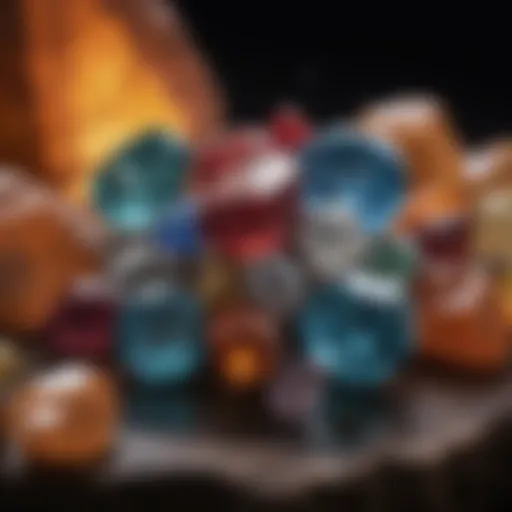
In the world of crystallography and mineral collecting, large pyrite crystals hold an esteemed position. Often referred to as “fool's gold,” pyrite's metallic luster and brass-yellow hue can easily mislead those unacquainted with its true nature. Yet, this striking mineral offers much more than just a pretty face. By examining large pyrite specimens, enthusiasts can unearth fascinating insights into their formation processes and the geological history they encapsulate.
From the rugged terrains of the Appalachian Mountains in North America to the majestic mines in Spain, pyrite can be found in an array of sizes and forms. This article seeks to shed light on the captivating characteristics, value, and market significance of large pyrite crystals. With this understanding, collectors can make informed choices when navigating this vibrant collectible market.
Types of Collectibles
Overview of Collectible Categories
The allure of pyrite extends beyond mere aesthetic appreciation. Collectors can find joy in various categories that enrich their collections and deepen their understanding of the mineral. Here, we outline several key categories for pyrite collectibles:
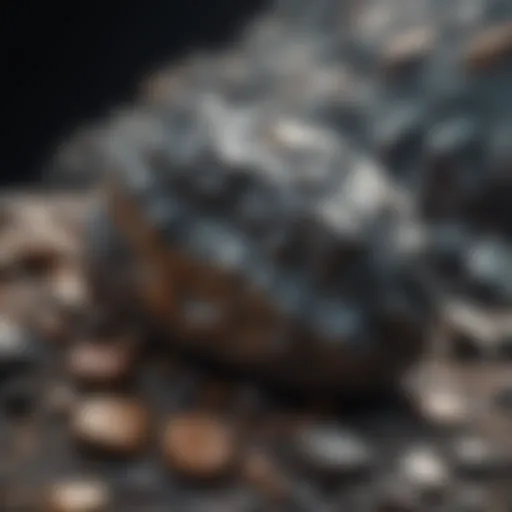
- Specimens: Large, naturally occurring pyrite crystals that often display unique formations. These can function as stunning display pieces.
- Polished and Cut Stones: These are pyrite pieces that have undergone processing to enhance their visual appeal, often used in jewelry and decorative items.
- Geological Samples: These showcase pyrite in its natural context within rock matrices, offering insights into the surrounding geological formations.
- Historic Items: Old mining artifacts, pieces from significant discoveries, or samples tied to well-known collectors are highly sought after for their historical value.
In-Depth Look at Each Category
Specimens: Collectors often have a keen eye for striking examples of pyrite. Specimens from specific locations may carry more weight in the market. For instance, large pyrite cubes from the Naica mine in Mexico are cherished for their clarity and size, with even the tiniest imperfections enhancing their character.
Polished and Cut Stones: When pyrite is cut and polished, it transforms into a captivating piece suitable for various applications. Jewelry makers favor pyrite beads for their unique flair, which pairs well with other gemstones. Polished pieces can fetch a good price, depending on craftsmanship and size.
Geological Samples: For collectors interested in geology, acquiring pyrite within the context of its host rock is crucial. Not only does it deepen knowledge of formation processes, but it also shows how pyrite interacts with other minerals. These samples are often labeled with detailed provenance for research and appreciation.
Historic Items: The value of a pyrite specimen can spike dramatically if it's tied to a notable history. Items from the Gold Rush era, for instance, can attract collectors interested in that specific period, blending geology and history into one valued piece.
Identification Techniques
Essential Tools for Collectors
To distinguish quality pyrite and identify variations, collectors can benefit from a few essential tools. Some of these include:
- A hand lens: Magnification helps inspect the crystal structure more closely.
- Field guides: Reference books or mobile apps to cross-check mineral properties and features.
- Specific gravity balance: Useful for measuring pyrite's density compared to similar minerals.
Identification Methods for Rocks and Minerals
Being knowledgeable about pyrite characteristics can significantly aid identification. Here are some methods to help:
- Visual Inspection: Examine color, metallic luster, and crystal structure. Pyrite typically forms in cubic shapes, which can distinguish it from similar minerals like marcasite.
- Streak Test: By rubbing the mineral on an unglazed porcelain plate, pyrite’s golden streak can be observed, further assisting in identification.
- Acid Reaction: When exposed to hydrochloric acid, pyrite does not fizz, whilst others like calcite do. This is a quick test to differentiate between minerals in the field.
By engaging in these techniques and understanding collectible categories, collectors can enhance their experience and build a remarkable collection of large pyrite crystals. The journey to acquiring such specimens becomes an enriching endeavor, woven into the fabric of earth's geological history.
Prelude to Large Pyrite Crystals
Definition and Importance
Large pyrite crystals, often referred to as "fool's gold," are characterized by their metallic luster and pale brass-yellow hue. Scientifically, pyrite is known as iron sulfide (FeS2) and is widespread in sedimentary, metamorphic, and igneous rocks. The term "large" can refer to specimens that are not only visually striking but are also substantial in size, making them highly sought after in the collecting community.
Their importance stretches beyond aesthetics; pyrite plays a role in various industries, from sulfur production to jewelry-making, stressing its economic value. For hobbyists and collectors, owning a large pyrite crystal isn't merely about possession. It's about connecting to the ancient geological processes that shaped them, and to cultures that revered and utilized them in ways that persisted for centuries.
Historical Context
The history of pyrite is as diverse as the formations themselves. Used by ancient civilizations, pyrite has been a symbol of wealth and power. The Incas believed it held the power of the sun, utilizing it in ceremonial rituals, while in Europe, pyrite was often mistaken for gold, leading to its whimsical nickname.
Throughout the ages, cultures have found numerous applications for pyrite. From its mention in texts by Roman authors to its striking presence in mineral collections during the Victorian era, it has been esteemed in various capacities. Today, the allure of large pyrite crystals persists in collectors’ showcases and educational institutions alike, cementing its place in both our cultural and geological heritage.
Pyrite's rich historical background combined with its geological significance makes it not only a stalwart in the natural world but also a treasured piece of human history.
Physical Properties of Pyrite
Understanding the physical properties of pyrite is paramount for anyone delving into the details of this fascinating mineral. Pyrite, often referred to as "fool's gold" due to its metallic luster and pale brass-yellow hue, possesses a unique set of characteristics that set it apart from other minerals. Its distinct features not only make it appealing to collectors but also provide insight into its geological formation and practical applications.
Crystal Structure and Composition
Pyrite is primarily composed of iron disulfide, with the chemical formula FeS₂. This composition leads to its cubic crystal structure, which serves as the foundation for its remarkable physical properties. The symmetry of these crystals contributes to their aesthetic appeal, producing sharp, well-defined edges and faces that glimmer under light. This crystal structure is not just for show; it also gives pyrite its durability, allowing it to withstand the rigors of collection and display in various settings.
Another important aspect of pyrite is its density, about 5 grams per cubic centimeter, making it heavier than many other minerals. This density, combined with its striking appearance, makes pyrite particularly valuable to collectors and those interested in mineralogy.
Distinguishing Features


The identifying traits of pyrite lie in its distinct color, luster, hardness, and cleavage. These characteristics play vital roles in both collectible value and practical applications.
Color and Luster
Pyrite is well-known for its attractive golden color and shiny appearance, which can sometimes lead to its confusion with real gold. The brilliance of pyrite's luster is a critical component of its appeal, as it catches the eye and can enhance the visual impact of any collection. Its color often ranges from a light brass to a more brownish hue, depending on the conditions of its formation.
The unique property of its luster is classified as metallic, providing a shimmering quality that adds a layer of richness to its appearance. However, collectors must be aware that this color and shine could tarnish over time if not properly maintained, which is an important consideration included in the care and preservation of pyrite crystals.
Hardness and Cleavage
When discussing hardness, pyrite ranks about 6 to 6.5 on the Mohs scale, indicating it has a decent level of toughness. This characteristic is beneficial for collectors, as it makes pyrite reasonably resistant to scratching when in physical proximity to other minerals. However, its hardness must be balanced against its cleavage, where pyrite exhibits a rather unique angle of fracture — known as conchoidal fracture. Rather than breaking cleanly along defined planes like some minerals, pyrite tends to break in a more irregular manner. This peculiarity might seem less advantageous from a cutting perspective, but it adds to the mineral's distinct nature and variability in appearance.
Understanding these properties can greatly impact how collectors approach the acquisition, display, and care of their pyrite specimens. These physical traits are not just about beauty; they provide context about the mineral's origin, handling, and preservation — essential knowledge for anyone serious about pyrite collection.
Formation of Pyrite Crystals
The formation of pyrite crystals is a captivating subject, bridging the realms of geology and mineralogy. Understanding how these crystals come to be not only enriches our appreciation of their beauty but also unlocks insights into the environmental conditions necessary for their creation. When you grasp how pyrite forms, you can better comprehend the greater landscape of mineral collection and the natural processes shaping our planet.
Geological Processes
Pyrite, often referred to as fool's gold because of its metallic luster and pale golden hue, originates from a variety of geological processes. One of the most notable is its crystallization from hydrothermal fluids. These fluids, rich in dissolved minerals, seep through fissures in rocks, often at great depths within the Earth’s crust. The combination of temperature, pressure, and chemical makeup in these environments plays a vital role in the development of pyrite formations.
In sedimentary rock environments, pyrite can also form through the process of diagenesis. Here, organic materials, coupled with iron-rich sediments, undergoes chemical changes under elevated pressures and temperatures, resulting in the precipitation of pyrite. This geological tale illustrates that pyrite not only forms in hot, liquid conditions but can arise from an interplay of organic decay and mineral-rich sedimentation within various timelines and environments.
Environmental Conditions
The specific environmental conditions in which pyrite forms are critical to understanding its crystallization. These factors shape the quality, size, and form of the crystals produced.
Temperature and Pressure
The nuances of temperature and pressure significantly contribute to pyrite's formation and can define the quality of the crystal. Generally, high temperatures prompt the crystallization of pyrite, as warmer conditions facilitate the solubility of iron and sulfur in solution, allowing them to deposit as the temperature and pressure normalize.
In terms of their key characteristics, elevated pressure assists in growing more concentrated deposits. The result can often be striking: larger and more well-defined crystals. Another considered benefit of high-pressure conditions is their ability to influence the purity of pyrite—lessons in geology tell us that cleaner deposits often yield more valuable specimens.
However, rapid fluctuations in temperature and pressure can lead to distortions within the crystals. One must balance these conditions carefully; the most desirable pyrite crystals often grow in consistent environments, minimizing the risk of imperfections.
Hydrothermal Activity
Hydrothermal activity, another essential condition for pyrite formation, brings its own unique set of benefits and challenges. A heated mix of water and minerals circulates through geological spaces, often rich in sulfur and metals, including iron. These fluids can deposit pyrite as they cool down, creating tightly organized clusters and intricately shaped crystals.
The advantage of hydrothermal environments lies in their ability to produce high-quality, visually stunning pyrite. With rich mineral backgrounds, and other alterations due to the environmental processes surrounding them, the resulting crystals often boast a level of detail enveloping the lustrous surface.
Nonetheless, hydrothermal activity can also be irregular, which may hinder predictable outcomes in crystallization. Considering temperature variances and pressure shifts, these factors can complicate the purity and structure of the formed pyrite.
Grasping the conditions required for pyrite to form helps to contextualize not just its physical properties but also its desirability in the collectors’ market. It becomes evident that understanding these geological and environmental specifics leads to a more informed approach to acquiring and appreciating pyrite crystals.
Types of Large Pyrite Crystals
When discussing large pyrite crystals, it's essential to understand the different shapes they can take. Each form offers unique characteristics and appeals to various collectors. The two primary types that we will focus on are cubic and octahedral pyrite crystals, both of which play significant roles in mineral collecting and serve as prime examples of pyrite's fascinating structural qualities. Let's drill down into each type to uncover their importance and charm.
Cubic Pyrite Crystals
Cubic pyrite crystals are perhaps the most recognized form of this mineral. Their perfectly formed cubic structure is captivating and has made this type a staple in many mineral collections. The shiny, metallic luster of cubic pyrite captures light in a manner that highlights its distinctive golden hue, often earning it the nickname "fool’s gold."
One of the main benefits of cubic pyrite is its prevalence in the collector’s market. It’s relatively easy to find quality specimens, making it accessible for hobbyists and seasoned collectors alike. Typically, these crystals grow in clusters or as individual formations. Here are some characteristics that set them apart:
- Color: Shimmering yellow to pale brassy gold hue.
- Shape: Clearly defined edges and flat surfaces, resembling dice.
- Hardness: Exhibiting a hardness of 6-6.5 on the Mohs scale, cubic pyrites are quite durable.
However, not all cubic pyrites are created equal. The best specimens are those that are well-formed, displaying minimal imperfections. When assessing the value of cubic pyrite, collectors often look for size, clarity, and the overall aesthetics of the piece. A well-crystallized cube, sparkling in the light, can easily become a centerpiece in any collection.
Octahedral Pyrite Crystals
On the flip side, octahedral pyrite crystals present a different allure. These crystals form an octahedral shape, which essentially means they have eight triangular faces. This structure can be more complex than that of their cubic counterparts, often creating a beautiful interplay of angles and reflections. Octahedral pyrites are not as commonly seen in collections as cubic ones, making them particularly sought after.
The charm of octahedral pyrite lies heavily in its unique structure and rarity. Here are some noteworthy features:
- Form: Distinctive eight-sided shape that can appear either smooth or rough.
- Color: Similar golden color, though they often have a more muted shine compared to cubic type.
- Location: While cubic pyrites are often found in larger deposits, octahedral forms can be harder to source. They are typically discovered in specific geological environments.


In terms of assessment, octahedral pyrites can be valuable due to their scarcity in the market. Many collectors appreciate these specimens for their desirability and the challenge in obtaining them. Additionally, the octahedral formation is often associated with specific conditions during crystal growth, which can tell a story about the environmental factors of their origin.
"Whether cubic or octahedral, large pyrite crystals are more than mere specimens; they are windows into Earth's geological past."
For more detailed insights into the world of pyrite, consider visiting Britannica or reading further on Wikipedia.
Significance in Collecting and Trade
Collecting large pyrite crystals has garnered a notable position among mineral enthusiasts. The unique physical properties and striking appearance of these specimens carry significant value in both the collectible and commercial markets. In a realm brimming with diverse minerals, distinguishing qualities such as size, clarity, and unique formation patterns of pyrite can drastically influence its market presence and desirability.
Exploring the market value and rarity of pyrite is essential for enthusiasts aiming to deepen their collections. Since large pyrite crystals are not produced in abundance, the scarcity contributes substantially to their overarching worth. Pieces that feature well-defined forms and wonderful luster can translate to higher market demand. Experiencing fluctuations depending on geological discoveries and collector interest, these changes can provide guidance on when to invest or hold on to specific specimens.
Market Value and Rarity
When we delve into market value, we find that several factors play a crucial role. The size, quality, and origins of large pyrite crystals can greatly sway their prices. For instance, pyrite from specific regions known for exceptional quality, like the famous deposits in Spain and the USA, draw more attention. Because not every corner produces remarkable pieces, collectors are often on the lookout for the unique ones, driving their prices to the moon when they hit the right showcases.
Collectors must be on the lookout for the rising popularity of certain crystal forms—cubic formations often exhibit higher demand compared to their octahedral counterparts. Such distinctions can serve as a compass for collectors navigating the marketplace. Also, the price can skyrocket based on the quality of the luster, with shiny, reflective surfaces often fetching top dollar.
Collector's Tips
Navigating the world of pyrite collecting demands a vigilant eye and a spice of savvy. Here’s some useful advice to sharpen your approach:
Identifying Authentic Pieces
Identifying authentic pieces of large pyrite crystals is essential to avoid falling victim to deceptive practices in the collectible mineral market. One key aspect that collectors should consider is the surface texture. Genuine pyrite often displays a naturally occurring crystalline structure, while counterfeit examples might look too polished or overly uniform.
Moreover, checking for
- Weight: Pyrite is relatively heavy for its size, making it feel more substantial than other minerals. An authentic piece should feel solid.
- Color Variations: Authentic pyrites typically have a metallic luster and a brassy yellowish hue. Any unusual color not associated with pyrite could be a red flag.
These aspects reinforce why identifying authentic pieces is a beneficial choice, establishing confidence in any collection.
Establishing Connections in the Community
Connecting with fellow collectors can elevate your experience significantly. Establishing connections in the community offers not only camaraderie but also valuable insights into trends and opportunities.
In local mineral clubs or online forums, such as Reddit's r/rockhounds or Facebook groups dedicated to mineral collecting, each shared experience and knowledge can help hone your collecting acumen. Inviting discussions around significant finds, market shifts, or preservation techniques can empower you as a collector, making it easier to identify valuable trends and opportunities.
Building relationships in collector communities can also lead to access to exclusive sales, trade events, and even mentorship from seasoned collectors. The unique feature of networking lies in shared interests that forge bonds, making your journey in collecting that much more enriching.
As you delve deeper into the significance of large pyrite crystals, understanding these factors will enhance your appreciation for these fascinating specimens, providing clarity on collecting and trading in a competitive landscape.
"Great collectors are not just hunters. They are curators, historians, and community builders."
For further inspiration, consider checking resources from
Wikipedia on Pyrite and
Britannica for Educational Resources.
Navigating this domain can open up new horizons, granting both personal satisfaction and, potentially, financial rewards.
Cultural and Industrial Uses
Exploring the cultural and industrial uses of large pyrite crystals illuminates their multifaceted roles beyond mere aesthetics. Pyrite, often referred to as fool's gold, has captivated the imagination of many civilizations throughout history. Its applications stretch from decorative motifs to industrial processes, ingraining its value within both ancient traditions and modern advancements.
Historical Uses in Various Cultures
Throughout history, pyrite has been more than just a pretty rock. Native Americans, for instance, used pyrite for ceremonial purposes, believing its glittering surface held spiritual significance. In some South American cultures, it was shaped into mirrors believed to reflect not only physical appearance but deeper truths. This cultural reverence shows deep ties between the stone and human beliefs, where it was thought to connect individuals to something greater than themselves.
The ancient Egyptians also saw pyrite as valuable, often using it to craft decorative items or talismans. The gem was associated with protection and eternal life, demonstrating its broad cultural impact. It's fascinating to think how a simple mineral could bridge gaps between people, beliefs, and practices, marking it not just as a geological specimen but as a cultural artifact.
Modern Industrial Applications
In the contemporary world, pyrite finds an essential role in various industries, showcasing its versatility that extends beyond its alluring appearance.
Production of Sulfuric Acid
One of the most significant industrial applications of pyrite is its role in the production of sulfuric acid. When pyrite is roasted, it releases sulfur dioxide, which is then converted into sulfuric acid through further chemical processes.
- Key Characteristic: The high sulfur content in pyrite makes it an economical source for sulfuric acid production. This characteristic contributes to the accessibility of the acid for various applications, especially in the chemical industry.
- Benefits: Sulfuric acid, often called the 'king of chemicals,' is used in fertilizers, petroleum refining, and wastewater processing. This makes the reliance on pyrite not just beneficial but also necessary for many industrial processes.
- Drawbacks: While pyrite contributes positively to sulfuric acid production, concerns over environmental impact can arise during the extraction and processing stages. Addressing these environmental considerations is crucial in promoting sustainable practices in industries reliant on pyrite.


Role in Jewelry Making
Apart from industrial uses, pyrite has gained traction in the jewelry market. Its unique metallic luster and distinct golden hue make it a popular choice for crafting adornments.
- Key Characteristic: Pyrite's striking appearance offers a luxurious look without the hefty price tag seen with genuine gold. This affordability has made pyrite a favored choice among jewelers and collectors alike.
- Benefits: Jewelry crafted from pyrite can be both stylish and sustainable — a perfect combination for the eco-conscious consumer. Additionally, it is often combined with other materials, adding layers of texture and visual appeal.
- Considerations: However, jewelers must be cautious as pyrite can oxidize over time, potentially losing its luster. Proper care and maintenance can ensure longevity and preserve its captivating sparkle in jewelry pieces.
"Pyrite dazzles not only the eye but also the mind — a true fusion of beauty and utility."
In summary, the cultural significance and industrial applications of pyrite demonstrate how one mineral can encapsulate a wide range of values. From ancient traditions to modern processes, pyrite continues to be an important material, symbolizing our ongoing relationship with the natural world.
Care and Preservation of Pyrite Crystals
When you're holding a large pyrite crystal, you’re not just grasping a piece of mineral; you’re holding a slice of earth's geological history. It’s crucial to understand how to care for and preserve these stunning formations, especially for enthusiasts and collectors who appreciate both their aesthetic beauty and historical significance. Proper care not only enhances the crystal's appearance but also ensures its longevity, keeping it in prime condition for generations to come.
Cleaning Techniques
Cleaning your pyrite should be approached with care, as improper techniques can lead to damage. Here are some effective methods that won’t compromise the integrity of your specimens:
- Gentle Rinse with Water: Using lukewarm water and a soft brush, gently brush away dirt and dust. Never soak pyrite in water for extended periods, as moisture can lead to oxidation.
- Mild Soap Solution: If your crystal is particularly dirty, consider using a mild soap solution. Just mix a drop of liquid soap in water. Again, apply with a soft brush, avoiding excessive force.
- Avoid Harsh Chemicals: Stay away from acidic cleaners, as these can cause surface etching or discoloration. Products like bleach are a definite no-no.
- Drying: After cleaning, make sure to dry the crystal thoroughly. Use a soft cloth to gently pat it down; this will help prevent water spots and rusting.
"Taking the time to clean your pyrite crystals correctly can breathe new life into them, highlighting their natural luster and appeal."
Storage Recommendations
Storing large pyrite crystals correctly is equally important as cleaning them, since the right environment can make all the difference.
- Display Cases: Consider investing in a display case. A cabinet with glass doors offers protection from dust and minimizes the risk of physical damage. It also allows you to showcase these beauties.
- Avoid Direct Sunlight: Keep your pyrite out of direct sunlight. Prolonged exposure can alter the color and even lead to degradation.
- Temperature Controlled Environment: Ideally, store your crystals in a dark, cool environment with stable temperatures. Extreme temperatures can lead to cracks or fractures over time.
- Padding and Support: When placing your crystals in storage, use soft padding materials or cotton to reduce movement and pressure on the specimens. This can help prevent chips or breakage.
By being attentive to these details in both cleaning and storage, you ensure that your pyrite crystals remain vibrant and intact. This knowledge not only enhances your enjoyment but also establishes your reputation as a conscientious collector.
The Future of Pyrite Collection
The exploration of large pyrite crystals is not merely confined to the past; it stretches into an exciting future. As the fields of mineralogy and collecting evolve, they bring new considerations to enthusiasts and collectors alike. The future of pyrite collection holds promise but also requires careful navigation of trends and ethical practices that are shaping the landscape.
Trends in the Collectors' Market
In the current collectors' market, we can see a few defining trends for large pyrite crystals. First off, the demand for high-quality, ethically-sourced specimens is on the rise. Collectors are becoming increasingly aware of the environmental and ethical implications of their purchases. The informed buyer looks for authentication that not only verifies the quality of a piece but certifies its sourcing. This awareness is influencing market prices and driving collectors to seek established dealers and reputable sources.
Additionally, technology is playing an essential role here. Platforms like Instagram and eBay are making it easier than ever for collectors to showcase and trade their collections globally. The increasing accessibility of information online is empowering collectors, enabling them to connect with like-minded individuals and learn about specific types of pyrite crystals. The growth of online communities is enhancing a sense of connection among collectors, transforming the solitary act of collecting into a shared experience.
Not to forget, trends also predict a resurgence in interest for vintage and historical pieces. Specimens from specific locations or with unique formations are capturing the hearts of many old-school collectors, as they tell stories of their origins that New Age crystals cannot replicate. Keeping one's eyes peeled for these trends could lead to treasures not yet discovered.
Conservation and Environmental Considerations
Now, as we look toward the future, conservation and environmental considerations loom large. The extraction processes for pyrite, while deeply integrated into mining practices, can lead to significant ecological damage if not handled with care. Therefore, many collectors are advocating for sustainable practices and proper regulations to protect these precious resources.
The new generation of collectors is fostering awareness around the need for sustainable mining practices. Partnerships between the mining industry and conservation organizations are gaining traction, with the aim of preserving natural habitats while extracting minerals. This delicate balance is essential not just for the crystals themselves, but for the ecosystems that support their genesis.
"The rise in ethical mining practices is as important as the quality of the crystals themselves, as it secures a sustainable future for collectors and the planet alike."
Moreover, there is an increasing push for transparency in the mineral trade. This transparency helps to hold dealers accountable, ensuring that collectors buy pieces that contribute towards the conservation of the environment rather than detract from it.
The End
The exploration of large pyrite crystals leads us to appreciate not just their aesthetic appeal but also their significant role in various sectors. Understanding pyrite is essential for anyone interested, be it from a geological, historical, or market perspective. This article has illuminated key points that underpin why these crystals hold such value in the collectors' market.
Summary of Key Insights
Throughout the discussion, several insights about large pyrite crystals have emerged:
- Physical Properties: Pyrite’s distinct cubic structure and metallic luster make it stand out among minerals. Its hardness and specific gravity are notable features that collectors often examine.
- Formation Processes: Knowledge of geological processes such as hydrothermal activity provides context on where and how these crystals form. This helps in understanding their rarity and distribution.
- Market Value: The value of pyrite can fluctuate, influenced by its condition, size, and uniqueness. Collectors must stay informed about market trends to make wise acquisitions.
- Cultural Significance: Historically, pyrite has been utilized in various cultures, from jewelry crafting to industrial applications, indicating its multifaceted importance.
- Care and Conservation: Proper cleaning and storage techniques were discussed, highlighting the necessity of preserving these specimens for posterity.
Overall, these insights reinforce that large pyrite crystals are not merely geological formations, but treasures that reflect our cultural heritage and scientific interest.
Final Thoughts on Pyrite Crystals
As we conclude this exploration into large pyrite crystals, it becomes evident that these minerals are much more than what meets the eye. Each piece tells a story of sculpted nature, time, and place. For collectors, pyrite represents a blend of art and science, where the aesthetic enjoyment of a stunning crystal meets the intellectual satisfaction of understanding its origins and applications.
In a world where the value of both material and intellectual pursuits is often debated, large pyrite crystals bridge that divide. They invite enthusiasts to delve deeper into their layers—both physically in terms of their structure and figuratively in the myriad ways they can be valued and appreciated.
Remember: Each pyrite crystal serves as a reminder of nature’s artistry. When you hold one, you grasp a piece of Earth’s history—a small token from the past that is interwoven with present-day cultures and future possibilities.
For additional insights and information, consider exploring resources like Wikipedia, Britannica, or cultural articles on reddit which may enrich your understanding of pyrite and its significance in various spheres.