The Lapis Gemstone: Characteristics and Cultural Impact


Intro
Lapis lazuli, often simply referred to as lapis, is more than just a pretty stone; it is a gem steeped in history and tradition. Revered since antiquity, this striking blue gemstone has found its place in every facet of human creativity and belief. From the everything of the Egyptian pharaohs who adorned themselves with lapis in their jewelry and burial ground to the painters of the Renaissance who ground it into ultramarine for their masterpieces, lapis has woven itself into the very fabric of art and culture.
The allure of lapis goes beyond its vibrant azure color; it is a tale that spans continents and epochs. In this exploration, we will embark on a journey through the geological formation of lapis, uncovering its unique composition and the many ways it has been utilized throughout history. We will also take a closer look at the role of lapis in various artistic movements, delve into how to maintain your treasured lapis collectibles, and assess its market value while shining a light on ethical considerations for today's collectors.
With each paragraph, we aim to unravel the complexities and significance of this gemstone—not as a mere ornament, but as a symbol of deeper meanings that have yet to fade with time. Whether you are a seasoned rock collector or just beginning to appreciate the beauty of natural stones, there is something profound about lapis that is worth discovering.
Prolusion to Lapis Gemstone
The lapis gemstone, with its striking deep blue hue, has fascinated humanity for thousands of years. Known to many as a symbol of wisdom and royalty, this stone carries a wealth of history and meaning that resonates through different cultures and epochs. Understanding lapis not only sheds light on its aesthetic allure but also reveals a tapestry of human connection to the earth and its treasures.
This section aims to lay the groundwork for exploring lapis by examining its definition and the origins of its name. By delving into these foundational elements, one begins to grasp the cultural and geological significance of lapis and why it has earned a prominent place in the world of gemstones.
Definition and Overview
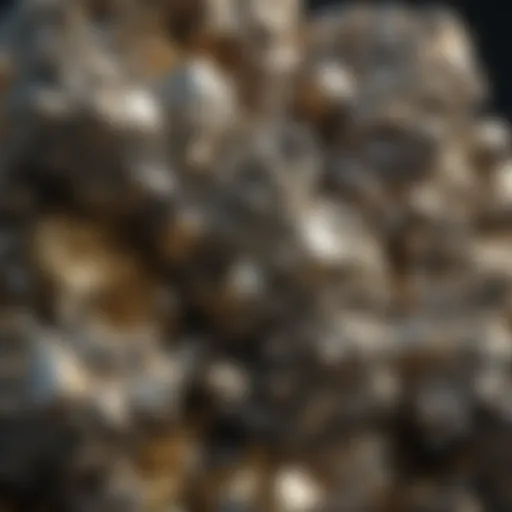
Lapis lazuli is a semi-precious stone that primarily consists of lazurite, with flecks of pyrite giving it a sparkling appearance reminiscent of stars in a deep blue sky. It often also contains small amounts of other minerals, like calcite and sodalite, which contribute to its unique texture and color variations.
What sets lapis apart from other stones is its rich royal blue color, which can range from vivid azure to deep indigo. This gemstone has long been esteemed not just for its beauty but also for its historical uses in art and adornments. In ancient times, lapis was ground into powder for use in pigments and was even thought to have mystical properties connected to the spiritual realm.
Origin of the Name
The term "lapis lazuli" comes from the Latin word lapis, meaning stone, and the Arabic term azul, meaning blue. This name captures the essence of the gemstone as both a natural material and a significant cultural artifact. The connection between the language and the stone reflects its extensive historical roots, particularly in regions such as Afghanistan, where the finest lapis has been sourced for centuries.
Throughout history, lapis has been valued in various societies. In ancient Egypt, it was a favorite among pharaohs, often used in burial masks and jewelry. In fact, it was believed that its deep blue color symbolized the heavens and was associated with divine favor.
By understanding its name and composition, collectors and enthusiasts can appreciate not just the lapis gemstone itself but also the rich legacy it carries through its usage across different cultures and timelines.
Geological Characteristics
Understanding the geological characteristics of lapis gemstone is key to appreciating its beauty and value. This blue stone is not simply a pretty accessory; its formation and physical properties tell a rich story about the Earth’s history and processes. In this section, we'll explore how lapis lazuli forms, its unique features, and what makes it a prized treasure among both collectors and enthusiasts.
Formation Process
Lapis lazuli forms under specific geological conditions that are not common. It is a metamorphic rock primarily composed of lazurite, which gives it the iconic blue color. The formation begins with sedimentary deposits that undergo high-pressure and high-temperature metamorphism. This typically occurs in regions where limestone and clay are present.
The metamorphic process requires the right minerals, and during its formation, lapis is often found alongside calcite, pyrite, and sodalite. These accompanying minerals can enhance its appearance, providing specks of gold from pyrite that shimmer against the deep blue backdrop.
Collectively, the unique geological environment and the subsequent metamorphic processes define the quality and beauty of the lapis lazuli one can find in the market today.
Physical Properties
The physical properties of lapis lazuli set it apart from other gemstones, making it a favorite among collectors. Let’s delve deeper into some of these properties.
Color Variations
Lapis lazuli is celebrated for its stunning blue shades, which can range from deep royal blue to lighter, powdery hues. The presence of lazurite determines the vividness of the color while calcite contributes white streaks. Some stones also exhibit patches of pyrite, giving the appearance of speckled gold stars against the blue sky.
This color variation plays a significant role in the desirability of the gemstone. Jewelers often seek the deepest tones as they resonate most with customers. The more intense the blue, the greater potential value. However, one must be careful; lighter shades may lack the character and desirability of darker specimens.
Hardness and Durability
Lapis lazuli holds a Mohs hardness of around 5 to 5.5, which is significant for gemstone usability. While it is not as hard as diamonds or sapphires, it maintains a certain durability that makes it suitable for various jewelry applications.
Its hardness allows it to resist scratching during everyday wear. However, its relative softness also means that care is necessary to maintain its exterior. For example, avoiding harsh chemicals can help preserve its natural beauty. This balance of hardness and vulnerability enhances lapis's allure; it’s both captivating and needs a tender touch.


Luster and Texture
The luster of lapis lazuli is often described as a vitreous to waxy sheen, depending on how it has been cut and polished. This quality becomes particularly captivating when the stone is well-crafted. A finely polished piece can catch the light in fascinating ways, compelling in its brilliance on the wearer’s skin or as a decorative item.
Additionally, lapis lazuli exhibits a smooth texture with a luxurious feel. This tactile characteristic, combined with its rich color, can make it a popular choice for both casual wear and high-end pieces. Collectors value not just the appearance but also the touch, which adds to the overall experience of owning a piece of this gemstone.
"The deep blue allure of lapis lazuli connects us with history, art, and nature—a genuine testament to the Earth's geological wonders."
Cultural Significance
The cultural significance of the lapis gemstone extends far beyond its vibrant azure hues. It has engrained itself in the fabric of various civilizations, often symbolizing power, wisdom, and spiritual awareness. By exploring the historical uses of lapis, we gain insights into how different societies integrated this gemstone into their cultural practices and beliefs. Whether it graced the adorned necks of royalty or marked significant spiritual journeys, lapis has a unique ability to transcend time and space, impacting diverse realms from art to spirituality.
Historical Uses in Ancient Civilizations
Mesopotamia
In Mesopotamia, lapis lazuli was held in extremely high regard. Considered a stone of the gods, it often found its way into the tombs of the elite as an offering. The Assyrians and Babylonians, in particular, valued it for its deep blue color that resembled the night sky. This made lapis not just a decorative item but a powerful artifact likened to divinity. The craftsmanship of lapis in Mesopotamia is noteworthy; artisans carved this gemstone into intricate seals and amulets that were meant to provide protection and grant divine favor.
One could argue the influence of lapis on Mesopotamian culture has been enduring. It’s not merely a choice for adornment but reflects a connection to their spirituality and governance.
Egypt
Lapis lazuli held a significant place in ancient Egyptian society as well. Renowned for its healing properties, it was used in various amulets designed to bless the wearer with protection and wisdom. It is famously found in the funerary mask of Tutankhamun, a symbol of prestige and power. The Egyptians believed that the deep blue of the stone mirrored the heavens and served as a bridge to the divine.
This gemstone was mined predominantly in Afghanistan, but trade networks ensured its presence in Egypt—making it a valuable commodity. Thus, lapis became a testament to Egypt’s expansive trade routes and ability to procure rare and powerful materials.
China
In ancient China, lapis lazuli was often associated with nobility and was used to create ceremonial objects. The stone was valued not only for its beauty but also for its supposed ability to ward off evil spirits. During the Han Dynasty, it was intricately carved into ornaments and added to artifacts used in religious practices. The Chinese believed that possessing lapis would bring good fortune and protection against misfortune.
The lapis lazuli of China stands out for its meticulous craftsmanship. Artisans created unique variances that reflected both aesthetic value and spiritual significance.
Symbolism and Meaning in Different Societies
Spiritual Connections
The spiritual connections attributed to lapis lazuli are vast and profound. Across many cultures, it has been recognized as a stone of wisdom, introspection, and enlightenment. Many New Age practitioners even today use lapis for meditation, claiming it aligns the spirit with the intellect, making it essential for personal growth.
This connection to spirituality provides a duality: while it serves as an ornamental piece, it also behaves as a tool for spiritual awakening, making it a unique inclusion in this article.
Royal Associations
In various cultures, lapis lazuli has been a marker of royalty and status. From the crowns of pharaohs in ancient Egypt to the robe embellishments of Persian nobility, it represented more than just wealth but also divine connection. This links back to how lapis has been historically used to establish dominance and signify the divine right to rule.
Its association with power makes lapis a relevant element when discussing the hierarchy of various societies, illustrating how gemstones can impact perceptions of authority.
Lapis lazuli serves as a timeless reminder that beauty is not just in appearance but also in the stories and significance it carries through history.
Uses of Lapis Gemstone
The lapis gemstone has played a significant role in various aspects of culture and personal expression throughout history, especially in jewelry making and artistic portrayals. Its deep blue color and unique appearance make it sought after not just for its beauty but for its historical resonance and symbolic meanings. Analyzing its uses provides insight into how lapis has been integrated into different facets of life, contributing to aesthetic preferences and emotional connections.
Lapis in Jewelry
Types of Jewelry


When considering the types of jewelry crafted from lapis, one cannot overlook its versatility. Lapis can be fashioned into rings, necklaces, earrings, and bracelets, appealing to a wide audience. A key characteristic of lapis jewelry is its striking color, which stands out in any ensemble and often becomes a conversation starter.
Collections showcasing lapis can range from high-end designer pieces to more affordable options, making it accessible to various demographics. Lapis is particularly popular among those seeking to express deep philosophical or spiritual realities through fashion, as it is often associated with wisdom and truth.
One unique feature is lapis lazuli’s ability to complement other materials, such as gold or silver settings. The combination enhances the overall aesthetic, giving it a luxurious feel. However, there are disadvantages; lapis can be prone to scratches and may require specific care to maintain its allure.
Design Trends
Design trends concerning lapis jewelry reflect broader fashion movements, incorporating materials like metals, leather, and other gemstones. Currently, there is a growing trend towards minimalist designs paired with bold lapis accents. This approach highlights the color while letting the natural beauty of the stone shine, offering a beneficial choice for individuals who prefer clean lines over elaborate ornamentation.
A significant aspect of current design trends includes the juxtaposition of various textures, where lapis’ matte finish contrasts with the shine of metals. Some designers also opt for organic shapes that mirror its natural state, which allows the natural inclusions in the stone to become a focal point. Yet, these trends can sometimes veer towards over-simplicity, which might not satisfy every collector’s desire for intricate detailing.
In Art and Decoration
Usage in Statues and Artifacts
The usage of lapis in sculptures and artifacts dates back thousands of years, profoundly impacting artistic traditions in many cultures. Ancient civilizations often carved lapis into figurines, sarcophagi, and inlays, highlighting its regal connotations and its association with the divine. One key characteristic is that lapis has been used to signal prestige and spirituality. This makes it a choice material, especially for pieces critiquing power, as it represents more than just aesthetic value.
Lapis is often revered for its ability to capture attention through its deep blue hue, a visual metaphor for the heavens. This historical aspect emphasizes lapis's role in art as a material signaling cultural values and beliefs. A disadvantage may be its weight, which can create limitations in more delicate art forms.
Modern Applications
In modern contexts, lapis continues to inspire creativity and is sought after by contemporary artists. Its applications now extend to home décor and functional art, such as tabletops or decorative boxes, where it brings a touch of elegance. The resurgence of interest in craft and artisanal goods has made lapis a favored choice for bespoke creations, with consumers wanting pieces that tell a story.
The unique feature of modern applications lies in their ability to seamlessly blend tradition with contemporary design principles. This flexibility makes lapis an appealing natural stone that can enhance spaces aesthetically while still being steeped in rich history. However, artists must navigate the challenges of sourcing quality lapis, as the market often fluctuates in availability.
Caring for Lapis Collectibles
Caring for lapis collectibles is essential for maintaining their beauty and ensuring their longevity. These prized gems are more than just decorative items; they carry a rich history and significance. Proper care allows collectors to appreciate their value fully without the risk of deterioration. Given that lapis lazuli is a relatively soft stone, it is particularly susceptible to scratches and damage. Collectors need to understand how to clean and store these stones effectively to protect their investment.
Cleaning and Maintenance
When it comes to cleaning lapis gemstones, gentle approaches are key. Unlike harder stones, lapis can be easily scratched or dulled. Here are some best practices for keeping your lapis collectibles shining:
- Use a soft, damp cloth: Avoid rough materials that could scratch the surface. A simple microfiber cloth or a soft cotton cloth works well.
- Mild soap solution: If extra cleaning is necessary, mix a few drops of mild liquid soap with water. Dip the cloth into the solution, wring it out, and gently wipe the gemstone. Be sure to avoid submerging the lapis in water, as this can lead to changes in its color over time.
- Avoid ultrasonic cleaners: These devices can be too harsh and cause damage. Always stick to gentle cleaning methods.
- Regular inspection: Keep an eye out for any cracks or changes in color. Early detection of issues can help you address them before worsening.
Storage Best Practices
Storing your lapis collectibles properly is just as important as cleaning them. The right environment can help prevent scratches, chips, and possible fading. Below are some tips for storing lapis:
- Use a dedicated storage box: Consider a padded jewelry box or a lined drawer. The padding provides a gentle cushion and minimizes the risk of scratching against other items.
- Separate from other gems: If you have multiple gemstones, it’s wise to store lapis separately. The natural abrasiveness of harder stones can harm the softer lapis surface.
- Keep away from sunlight: Prolonged exposure to sunlight can lead to discoloration. Choose a cool, dark place for storage to maintain the vibrant blue hue.
- Humidity control: Lapis can be affected by excessive humidity, which can impact its integrity over time. Store in a location with balanced humidity and temperature.
"Proper care of lapis gemstones not only preserves their aesthetic value but also strengthens their cultural significance."
By adhering to these cleaning and storage guidelines, collectors can ensure their lapis remains an enduring representation of beauty and history. Keeping lapis collectibles in top condition is not merely about aesthetics; it's an acknowledgment of their place in both personal collections and the broader cultural narrative.
Market Value and Appraisal
Understanding the market value and appraisal of lapis gemstones is not just an academic exercise; it holds great significance for collectors, investors, and enthusiasts alike. The worth of lapis can change, swelling or shrinking based on multiple elements, including its quality, rarity, and current market trends. Knowing these aspects can help you make well-informed decisions whether you are looking to buy, sell, or simply expand your collection.
Factors Influencing Value
Quality and Rarity
The quality of a lapis gemstone plays a crucial role in determining its market value. Lapis that showcases a deep azure blue, with minimal visible inclusions, is often regarded as the cream of the crop. One key characteristic to consider is the presence of pyrite flecks, which imbue the stone with a sparkling effect. Not only does this enhance aesthetic appeal, but it also makes the piece more desirable. The rarity of this coloration further elevates its value; bright, vivid specimens are relatively scarce compared to duller shades or those marred by imperfections.


In essence, high-quality lapis of notable size can fetch impressive prices, while pieces that lack vivid pigmentation or show significant flaws may struggle to find buyers. For instance, a large, deep blue lapis lazuli slab with minimal veining can become a prized collectible, while more common varieties might remain in the shadows, unappreciated.
Market Trends
Market trends are particularly influential in shaping the value of lapis stones. These can fluctuate due to changes in fashion, economic conditions, or even the cultural significance attributed to the stone over time. A growing interest in lapis for use in home décor or artisan jewelry can drive demand, leading to higher prices. Conversely, if interest wanes, so too can the value.
Additionally, seasonal shifts can affect the market. For instance, the holiday season may see a spike in buying as people seek unique gift items, directly impacting prices. Collectors should keep abreast of these trends, as understanding what is hot today may help determine what will appreciate in value tomorrow.
Where to Buy and Sell
Online Marketplaces
Online marketplaces have become pivotal in the world of gemstone acquisition and sales. Amanda's Lapis Emporium and Gem Rock Auctions are both excellent platforms where buyers can find a variety of high-quality lapis specimens.
A significant advantage of online shopping is the sheer availability of options. You can browse a multitude of listings from various sellers at your convenience, which means you can compare prices and quality more easily than going from store to store. However, caution is necessary; make sure to verify the seller's credibility and understand return policies. Not all listings may accurately represent the stone's quality, and as they say, not everything that glitters is gold.
Auctions and Gem Shows
Attending auctions and gem shows can also be an enriching experience for those involved in the lapis market. Events like the Tucson Gem and Mineral Show attract collectors and enthusiasts from far and wide, presenting opportunities to acquire rare stones directly from knowledgeable sellers.
One key attribute of these occurrences is the ability to physically inspect gemstones before purchasing. You can often find unique pieces at auctions that simply aren't available online. However, it's crucial to set a budget beforehand; bidding wars can drive prices higher than expected, leaving you with buyer's remorse. These events offer a dynamic environment to learn more about the market and the gems themselves, fostering community among rock and fossil collectors.
Understanding where and how to buy or sell lapis gemstones is essential for making informed choices.
By being aware of the factors that influence market value and exploring both online and in-person avenues for transactions, you can better navigate the intriguing world of lapis gemstones.
Ethical Considerations in the Gem Trade
The gem trade, including lapis gemstones, carries a slew of ethical considerations that are becoming increasingly significant in today's world. Understanding the implications of mining and selling gems is not just a matter of personal interest; it’s about acknowledging the larger context in which these stones are sourced. This topic serves as a crucial part of our discussion, as it underscores the responsibilities held by both consumers and producers in ensuring that the beauty of these gems does not come at a human cost.
Sustainability Issues
When we talk about sustainability in the gem industry, it’s essential to recognize how mining practices can impact the environment. The extraction of lapis lazuli often leads to deforestation and soil erosion, particularly in regions where protective regulations are lax. Moreover, poor mining practices can degrade local water supplies, harming both ecosystems and communities.
- Eco-Friendly Practices: There’s a growing trend among certain miners to adopt sustainable practices. This can include minimizing waste during extraction and ensuring that land is responsibly rehabilitated after mining.
- Sourcing Transparency: Gem buyers are increasingly seeking information about the origins of their stones, favoring those that can demonstrate ethical sourcing. Companies that provide such transparency tend to foster trust and loyalty among consumers, which is invaluable in the highly competitive jewel market.
An example of sustainable approaches includes efforts by organizations that work with local miners to develop cooperative mining initiatives. These programs not only emphasize environmental responsibility but also support the communities dependent on these mining activities, creating a more balanced support system.
Conflict Gemstones
The term "conflict gemstones" refers to gems that are mined in areas where there is a violation of human rights or where profits from mining conflict with national or international laws. While diamonds are often the focus of discussions about conflict stones, lapis lazuli is not immune to these issues. Some of the sources of lapis are located in regions with ongoing political instability, and revenue from the gem trade can inadvertently fund armed conflict or perpetuate oppression.
- Awareness and Advocacy: Advocacy groups focus on raising awareness about the connection between gems and conflict. By educating consumers on these concerns, it encourages them to make informed purchasing decisions, stressing the need for ethical consumption.
- Certification Programs: New certification programs have emerged to help consumers identify ethically sourced gemstones. These initiatives often include thorough tracing of the supply chain, ensuring that the stone is not coming from conflict zones and is sourced in a manner that supports fair labor practices.
"Ethical sourcing isn't just a trend—it's a compass for the future of the gem industry, guiding responsible mining practices and community welfare."
Conclusively, engaging with the ethical considerations surrounding lapis gemstones can spark a more meaningful conversation about the environment and socio-economic implications of the gem trade. Collectors and enthusiasts alike hold the power to influence this industry by prioritizing gems that align with their values, reinforcing the idea that beautiful things can also be good for the world.
The End on Lapis Gemstone
The lapis gemstone holds a multifaceted role that intertwines geology, history, culture, and artistry. As we wrap up our exploration of this remarkable stone, it becomes clear that lapis is not merely a pretty rock. Its rich azure hue and historical pedigree position it as a significant player in the world of gemstones. This last section encapsulates how various facets of lapis converge, creating a tapestry of meaning and importance.
Recap of Key Points
Throughout our journey, we have uncovered several essential characteristics and dimensions of lapis. Here’s a summary of the major points discussed:
- Geological Formation: Lapis originated from metamorphic rocks, born in the high-pressure and high-temperature conditions where minerals like lazurite, calcite, and pyrite come together. This background gives rise to its distinct color and character.
- Cultural Significance: From ancient Mesopotamia to modern times, lapis has been cherished not just for its beauty, but also for its spiritual and royal associations. It was used extensively in artifacts and ornaments, symbolizing divinity and power.
- Practical Uses: Beyond jewelry, lapis has found its way into various forms of art, being utilized in everything from murals to sculptures, preserving its allure across centuries.
- Care and Value: We covered how to maintain lapis collectibles and touched on factors influencing their market value. Quality, rarity, and market demand serve as critical players in determining worth.
- Ethical Considerations: The article did not shy away from discussing the ethical complexities that surround the lapis trade, addressing sustainability and issues regarding conflict gemstones, which adds a critical lens to any prospective collector's considerations.
Final Thoughts
In concluding our examination of the lapis gemstone, it’s apparent that its allure is not solely in its striking appearance, but also in its rich contextual tapestry. For rock and fossil collectors, engaging with lapis goes beyond mere acquisition—it's about understanding the storied past and varied significance that this stone carries throughout human history. The value of lapis lies not just in its beauty, but in the connections it offers to those who seek to understand the intrinsic relationship between humanity and the earth.
Collecting lapis can be an enriching experience. It necessitates a blend of appreciation for natural beauty and an awareness of the ethical implications surrounding its trade. As you reflect on these aspects, the journey of collecting lapis transforms into an engaging narrative of exploration and significance, one that resonates deeply with its historical roots. Embrace the knowledge and insights that lapis brings to you; it’s a gem that transcends time.