Exploring the Diverse Uses of Quartz in Various Fields


Intro
Quartz stands as one of the most abundant minerals in the Earth's crust, boasting a myriad of uses that stretch from the dawn of civilization to the cutting-edge technologies of today. Characterized by its outstanding durability and versatility, quartz doesn’t just play a supporting role; it commands a place at the forefront of various industries. Whether you’re flipping through the pages of a luxury watch catalog or examining the latest electronic gadgets, you are likely to encounter quartz in some fascinating form. This article aims to guide you through the many practical and aesthetic applications of quartz, illustrating its relevance to both collectors and industry professionals.
Types of Collectibles
Overview of Collectible Categories
For many collectors, quartz is not just a mineral; it’s a gateway to understanding the intricacies of Earth’s geology and the artistry of human craft. The collectible landscape spans across natural specimens and man-made products, each category having its unique charm and characteristics.
Natural Quartz Specimens: These are raw or unpolished pieces, often collected for their beauty, scientific value, or both. Topics within this realm include:
- Crystal Clusters: Often featuring multiple points, these pieces typically attract serious collectors due to their aesthetic appeal and natural formation.
- Single Crystals: Their clarity and symmetry can create an almost hypnotic effect; collectors prize them for both beauty and function.
- Rough Stones: While not as shiny as their polished counterparts, these specimens offer a raw glimpse into the Earth’s geological processes.
Man-Made Quartz Products: From practical tools to artistic endeavors, these items show the versatility of quartz in human innovation:
- Quartz Watches: Known for their precision; they epitomize how quartz has revolutionized timekeeping.
- Electronics: The use of quartz in smartphones and computers exemplifies the mineral's integral role in modern technology.
- Art: Artists often incorporate quartz into sculptures, jewelry, and other works, marrying aesthetics with the mineral's inherent properties.
In-Depth Look at Each Category
Exploring the depths of quartz collectibles reveals layers that are both visually and intellectually stimulating. Each collectible tells a story—whether it’s the natural forces that formed it over millennia or the craftsmanship that shaped it into something extraordinary.
Natural Quartz Specimens
Some collectors are enticed by the stories told through geological formations. For instance, having a stunning amethyst geode or a clear rock crystal can spark conversations about their place of origin, geological history, and even metaphysical properties associated with quartz.
- Amethyst Clusters: With rich purple hues, these clusters can both decorate a room and serve as a focal point in discussions about crystal healing.
- Citrine: This yellow variant is often sought out for its color and alleged energy-enhancing properties, finding a home in both display cases and holistic practices.
Man-Made Quartz Products
The ingenuity behind refining quartz into consumer-ready products showcases a different side of its versatility. Collectors interested in modern applications might find joy in:
- Vintage Quartz watches: Noted for both craftsmanship and historical significance, they appeal to horology enthusiasts in search of timeless pieces.
- Quartz Crystal Oscillators: Found in most electronic equipment, their role in maintaining frequency stability marks a significant advancement in technology.
"The allure of quartz isn’t limited to its physical properties—its journey through time reveals our relationship with nature through the lens of human innovation."
In the world of quartz collectibles, the possibilities are as varied as the crystals themselves. With natural formations offering their own narratives and manufactured products showcasing human creativity, each category holds something just a bit different. As we progress, understanding the identification techniques will further enrich the collector's journey.
Prolusion to Quartz
Quartz stands as one of the most prevalent minerals on Earth, embodying a range of forms and uses that highlight its remarkable attributes. The significance of diving into the topic of quartz is multi-faceted, providing insights not only into its physical properties and historical relevance but also into how it manifests in various sectors today. By understanding quartz thoroughly, enthusiasts and professionals alike can appreciate its role not just in nature but also in technological advancements, art, and even wellness practices.
Definition and Composition
At its core, quartz is a mineral composed predominantly of silicon dioxide (SiO2). This simple yet sturdy structure allows quartz to crystallize in a variety of forms and colors. Its common forms include the clear crystal, smoky quartz, and rose quartz, each carrying unique attributes that appeal to collectors. Unlike many minerals that are defined solely by their composition, quartz also owes part of its identity to countless variations, which arise from the presence of impurities or differences in crystal formation.
From a geological perspective, quartz forms in several environments including igneous, metamorphic, and sedimentary settings, making it a versatile mineral in the rocky tapestry of our planet. Be it in the spotlight of a gem collection or hidden in a rough rock formation, quartz holds a space that transcends mere classification.
Physical Properties
Transitioning to its properties, quartz is prized for its hardness, scoring a solid seven on the Mohs scale. This hardness not only makes it durable but also allows it to withstand weathering processes much better than many other minerals. Besides durability, quartz exhibits remarkable piezoelectric properties, which means it can generate an electric charge under mechanical stress. This specific attribute has massive implications in the electronics field, particularly in the development of timing devices and sensors.
Additionally, quartz comes with a transparency that varies; some are completely transparent while others are opaque or translucent. This variability affects aesthetics and usability. Coupled with a glassy luster, the appeal of quartz extends far beyond the geological community into everyday life and luxury applications.


Historical Background
The historical significance of quartz dates back to ancient civilizations that employed it for various purposes. For instance, ancient Egyptians utilized quartz in their burial decorations, believing in its spiritual amplifications. As time marched on through the ages, quartz remained prominent across cultures. In medieval Europe, it was often thought to possess protective qualities, and people made amulets and talismans from it.
Fast forward to the industrial revolution and into modern times, quartz transitioned from a decorative stone to a crucial component in technology, mainly due to its resonant qualities. Its unparalleled versatility has secured a timeless position throughout humanity’s story, showcasing how something so abundant could play such pivotally diverse roles.
Industrial Applications of Quartz
The industrial applications of quartz demonstrate its immense versatility and significance across multiple sectors. Its unique physical and chemical properties – including high durability, resistance to heat, and piezoelectricity – contribute to its widespread usage in technology, manufacturing, and design. By exploring these applications, we can uncover how quartz not only benefits industry but also shapes the products and technologies we rely on daily.
Electronics and Technology
Quartz in Timekeeping Devices
Quartz plays a pivotal role in timekeeping, a sector where precision is non-negotiable. Quartz crystals oscillate at a consistent frequency when an electrical current is applied, leading to their common use in watches and clocks. This characteristic makes quartz timepieces much more accurate compared to mechanical counterparts, which rely on a complex gear system susceptible to wear and tear over time.
One of the unique features of quartz timekeeping devices is their ability to maintain accuracy while being relatively inexpensive to produce. This affordability, combined with their resilience, has made quartz watches and clocks a staple in everyday life. However, there are disadvantages; they typically require a battery replacement and may lack the intricate craftsmanship associated with traditional mechanical watches. Nevertheless, their undeniable reliability ensures that quartz remains a favored choice for both practical and luxurious timekeeping.
Quartz in Computers and Telecommunication
In the realms of computers and telecommunications, quartz's properties shine brightly due to its piezoelectric nature. This means that quartz can convert mechanical energy into electrical energy and vice versa, making it essential for components like oscillators and resonators. These components regulate frequency and enable precise timing – crucial elements in digital circuits and communication systems.
The unique advantage of using quartz in this field lies in its stability across varying temperatures and environmental conditions, making it an excellent choice for devices that require consistent performance. Yet, reliance on quartz components can also lead to challenges in miniaturization, as their efficiency often comes with specific size constraints. Regardless, its contribution to the seamless functioning of modern technology cannot be overstated.
Manufacturing Processes
Quartz in Glass Manufacturing
Quartz is the backbone of the glass manufacturing industry due to its high silica content. The production of glass requires pure silica to ensure clarity and strength; quartz's characteristics fulfill these criteria effectively. In glass-making, quartz is melted down and transformed into various products, from simple windows to artistic glassware.
The unique feature of utilizing quartz in glass production is its ability to withstand high temperatures without degrading. This resilience is key when producing items that need to endure thermal shock. On the downside, high purity quartz can be costly to source, affecting production costs. Yet, the overall quality of glass products derived from quartz makes it a favored material in this industry.
Use in Ceramics and Abrasives
In ceramics and abrasives, quartz is utilized for its hardness and durability, enhancing the performance of both materials. Quartz is vital in creating ceramic products that seek strength and aesthetic appeal, as it improves structure and finish. Similarly, in abrasives, crushed quartz is employed to create durable surfaces for cutting and grinding.
The key characteristic that makes quartz valuable in these applications is its ability to withstand wear while providing a fine finish. Its natural hardness contributes to the longevity and effectiveness of ceramic and abrasive products. However, the use of quartz in these areas demands careful balancing of cost and quality; obtaining high-purity quartz can be expensive, and this can ripple through to consumer prices. Still, its valued attributes ensure that quartz remains a primary component in creating both functional and decorative ceramics.
Quartz in Art and Design
Quartz has a special place in art and design due to its unique beauty and versatility. Artists and designers frequently rely on this mineral to enhance the visual appeal and functionality of their creations. Its various forms, colors, and patterns provide a broad palette for artistic expression, while its durability and aesthetic properties make it a practical choice for numerous applications.
Gemstone Jewelry
Popularity of Quartz Varieties
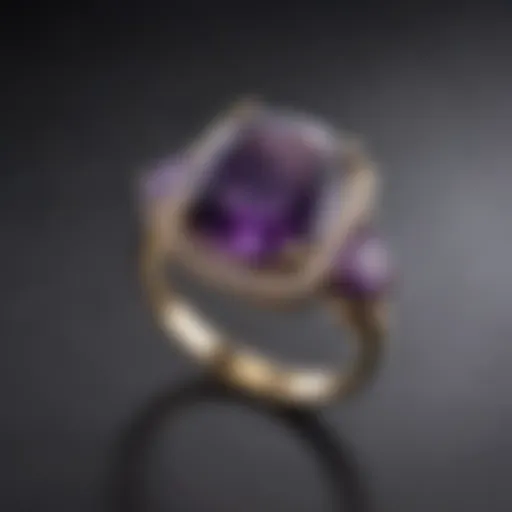
Quartz comes in many varieties, each with its distinct characteristics and allure. Amethyst, citrine, rose quartz, and smokey quartz are just a few of the notable types. Their popularity stems from they are not only visually pleasing but also relatively affordable compared to other gemstones. This makes quartz an accessible choice for many jewelry designers and consumers.
One key feature contributing to the popularity of quartz varieties is their vibrant colors. For instance, amethyst, with its striking purple hue, is often associated with luxury, while rose quartz is revered for its soft pink tones, evoking calmness and love. Both gemstones appeal to different audiences, thereby enhancing their desirability in the marketplace.
However, the substantial availability of quartz sometimes leads to questions about authenticity. Knowing how to distinguish genuine quartz from treated or synthetic versions is crucial for both collectors and enthusiasts. This aspect adds a layer of complexity to the appreciation of quartz but ultimately enriches the gem's allure as a collectible item.
Crafting Techniques
The techniques used to craft quartz jewelry can significantly influence the piece’s appeal. Artisans employ methods ranging from facet cutting to more organic styles that showcase the rough, natural beauty of the stone. Faceting enhances light play, often creating mesmerizing visual effects, while rough finishes often highlight the uniqueness of each specimen.


One significant advantage of using quartz in crafting jewelry is its hardness—rated at 7 on the Mohs scale—making it suitable for everyday wear. Nevertheless, this hardness also presents challenges in polishing and shaping, requiring skilled techniques to showcase the stone's natural beauty without compromising its structure.
Overall, the diverse crafting techniques enable jewelers to express their creativity while maintaining the inherent beauty of quartz. This interplay of art and nature makes quartz a perennial favorite in the realm of jewelry.
Interior Decor
Quartz in Countertops
When it comes to interior decor, quartz countertops stand out as one of the top choices for many homeowners and designers. Sourced from natural quartz crystals, these surfaces are engineered to provide a blend of beauty and functionality. One of the main attractions is their non-porous nature, which means they resist stains and don’t harbor bacteria. Such attributes make quartz countertops an appealing and hygienic choice for kitchens and bathrooms.
The variety of colors and patterns available in quartz can mimic the look of natural stones like granite or marble, but without the high maintenance. This means homeowners can enjoy the luxurious look without the worry of extensive upkeep. However, one should keep in mind that quartz countertops can be more expensive than laminate options, making the cost a consideration for budget-conscious consumers.
Use in Decorative Elements
Quartz also plays a significant role in decorative elements within interior spaces. Whether it's used in lamp bases, coasters, or wall art, quartz adds a touch of sophistication that few other materials can match. The natural beauty and varied textures of quartz can be utilized to create stunning focal points in any room.
One key characteristic of quartz in decor is its ability to blend with various aesthetics—be it modern, rustic, or even industrial. This versatility allows designers to incorporate quartz in creative ways that enhance the overall theme of a space. However, like all materials, excessive use without consideration of balance can overwhelm a room's aesthetic.
Quartz and Health
Quartz is more than just a pretty rock. Its applications stretch into the realms of health and wellness, captivating the interest of enthusiasts and practitioners alike. This section sheds light on how quartz is perceived to influence wellbeing, exploring both its purported healing properties and its role in creating tranquil spaces. Through this exploration, we aim to inform collectors and health-conscious readers about the unique aspects of quartz that can enhance their holistic practices.
Healing Properties
The belief in the healing properties of quartz stems from ancient healers who touted its ability to amplify energy and aid in emotional and physical healing. Many holistic practitioners assert that quartz crystals can resonate with the frequencies of the human body, potentially balancing energy fields and assisting in emotional clearing.
- Amplification and Clarity: One of the standout features of quartz is its capacity to amplify surrounding vibes. It’s often used in healing sessions, where it’s placed on or near the body to enhance the therapeutic effects of other crystals or energies. This amplification can lead to a greater sense of clarity and emotional well-being.
- Emotional Healing: Some people turn to quartz for its ability to help release negative energy and emotions. Individuals report that holding or meditating with quartz can promote feelings of calm, making it a popular choice for stress relief.
- Thoughts on Efficacy: While many swear by its benefits, it is crucial to approach these claims with a balanced perspective. Quartz is not a substitute for medical care, but rather a complement to mental and emotional wellness strategies.
"The healing powers attributed to quartz are as diverse as the crystal itself; from emotional support to an increased clarity of mind, it's seen as a tool for holistic health."
Energizing Spaces
Beyond personal health, quartz is often utilized in various settings to energize and uplift environments. This is especially relevant in practices like Crystal Therapy and meditation, where the goal is to foster a harmonious atmosphere that promotes relaxation and focus.
Crystal Therapy
Crystal Therapy employs the properties of quartz to create a healing environment for individuals seeking solace from everyday stresses. This technique involves placing crystals in specific areas of a space, aiming to enhance the overall energetic quality of that locale.
- Balanced Energy Flow: Proponents believe that quartz can help balance energy throughout a space, making it more conducive to relaxation or focus, depending on the needs of the individual.
- Variety of Applications: In therapy, the way quartz is positioned—whether around the perimeter of a room or placed strategically on furniture—can alter its efficacy. Notably, some individuals have reported enhanced productivity in workspaces where quartz is present, attributing it to heightened focus and clarity.
Use in Meditation
Incorporating quartz into meditation routines has gained popularity, as many practitioners find that these stones help center the mind, allowing deeper connectivity during spiritual practices.
- Focus and Intent: When meditating with quartz, individuals often hold the stone or place it nearby, enabling a stronger focus on their intentions and deeper relaxation.
- Energy Channeling: Quartz is said to channel and enhance the meditative experience, deepening the practitioner’s ability to connect with their inner self and the universe. This unique characteristic makes it a favored option among those looking to enhance their spiritual journey.
Emerging Trends in Quartz Usage
As we peer into the future of quartz applications, it becomes clear that this mineral isn't just a relic of the past or a staple of mundanity. The trends we see emerging today whisper of innovation and adaptability, ensuring quartz remains a key player in various domains. With sustainability and advanced technology shaping the landscape, it’s crucial to appreciate how these shifts might alter the way quartz is used, perceived, and valued in the coming years.
Sustainable Practices
The rise of sustainable practices marks a significant turning point for quartz utilization. Today’s collectors and industry professionals are increasingly aware of the environmental impact linked to mineral extraction and processing. As a result, companies are stepping up their game, focusing on eco-friendly mining techniques and responsible sourcing.


The push for sustainability is twofold; not only does it preserve the environment, it enhances the marketability of quartz. Consumers now often favor products that reflect ecological awareness. For instance, manufacturers may source quartz from certified mines that ensure fair labor practices and minimize landscape disruption. It's also worth noting that quartz's abundance makes it a prime candidate for sustainable use compared to rarer minerals, effectively positioning it as a benchmark for green mining.
Additionally, the effort to recycle quartz by using leftover materials in various products is gaining traction. This not only cuts down on waste but also provides cost-effective alternatives for industries. Overall, the commitment to sustainable practices in quartz can redefine how collectors and enthusiasts perceive its value, linking social responsibility tightly with raditions of collecting and appreciation.
Innovative Technology Development
The evolution of quartz technology feels nothing short of revolutionary. The mineral's inherent properties have made it an essential component in modern tech, and this trend isn’t slowing down any time soon. Innovative developments in technology are pushing boundaries, leading to entirely new applications that enhance daily life and the efficiency of businesses.
For instance, advancements in miniature quartz crystal technologies are paving the way for more compact and robust devices. In the realm of electronics, the integration of quartz in sensor technology has reached new heights, with applications ranging from environmental monitoring to medical diagnostic tools. Collectors might find interest in understanding how quartz resonates differently across various frequencies, a feature that’s invaluable in areas like telecommunications.
The realm of 3D printing also sees promising potential for quartz; researchers are experimenting with quartz-infused materials to create stronger, more durable prints. This could drastically change the crafting world, enabling artisans to create without the same level of resource depletion. The fusion of quartz with other innovative materials could redefine modern aesthetics or introduce entirely new paradigms in design and utility.
In essence, the combination of sustainable practices and technology development continues to shift the narrative surrounding quartz. As industries adapt and evolve, so too will the ways in which we collect, utilize, and value this fascinating mineral. Together, they craft a vision of a future where quartz is not just a material but a cornerstone of innovation and conscientious living.
Collecting Quartz: A Comprehensive Guide
Collecting quartz is not merely a hobby; it’s an exploration of nature’s artistry and a dive into the geological history of our planet. Many collectors find immense value in the pursuit, both for personal enjoyment and for potential financial gains. As one swims through the sea of quartz varieties, having a grasp of identifying authentic pieces, understanding their valuation, and knowing how to care for them can amplify the joy and satisfaction that comes from this endeavor.
Identifying Authentic Quartz
Identifying genuine quartz can be a tedious task, especially with the rise of imitations in the market. However, understanding a few key characteristics can make the process more manageable. Real quartz typically exhibits a glass-like sheen and a crystalline structure with a hexagonal pattern. If you’re not sure about your specimen, try the scratch test. Quartz has a hardness rating of 7 on the Mohs scale, so it can scratch glass but won't be damaged easily itself. Another useful method is to inspect the transparency. Authentic quartz should look clear or have a slight opacity without any bubbles – a sure sign of synthetic production.
"The thrill of a collector often comes not just from the find, but from the knowledge that backs it up."
Valuation and Care
Valuing quartz requires a keen eye and an understanding of market trends. Individual pieces can range from a couple of dollars to thousands, depending on multiple factors. Let’s break that down further.
Factors Influencing Value
Factors like rarity, size, clarity, and color are paramount when determining the value of quartz. For instance, a large, clear quartz cluster from Brazil can fetch a premium price compared to common types found in local rivers. Moreover, specific characteristics, such as inclusions or unique formations, can also enhance a piece's value. Understanding these nuances gives collectors an edge, making this not only a benefit but a necessity for serious enthusiasts. The rarity of specific quartz varieties, such as amethyst or citrine, tends to draw higher price tags, thus creating an exciting landscape where informed collectors can flourish.
Maintenance Tips
Proper care of quartz specimens can prolong their beauty and value. Dusting them lightly with a soft brush is often sufficient, though one should avoid abrasive materials that could scratch the surface. For deeper cleaning, use lukewarm soapy water and a gentle cloth, steering clear of harsh chemicals as they can dull the luster. Storing quartz in a protective case when not displayed can mitigate the risks of chipping or scratching. Developing a cleaning routine is beneficial, as it not only keeps the quartz aesthetically pleasing but also preserves the investment over time by ensuring its intricate designs and allure remain intact.
Collecting quartz opens doors to creativity and exploration, lending insight into the planet’s history, allure, and economic potential. As you sift through streams, peruse shops, or expand your online search, the quest holds potential rewards beyond simple physical collection. From unearthing the beauty embedded in each piece to understanding its market value, collecting quartz becomes an enriching experience.
Closure
In wrapping up our exploration of quartz, it’s essential to recognize the intrinsic value it holds across various domains. The multifaceted nature of this mineral goes far beyond simple ornamentation or functionality; it embodies a deep connection to both human creativity and technological advancement. Throughout this article, we’ve traversed the intricate landscape of quartz, touching on its historical significance and diverse applications.
Indeed, quartz isn’t just another stone tucked away in the geological roster. It stands as a silent but powerful player in elevating technology, enhancing design, and even promoting personal wellness. Each section illustrated how quartz is woven into the fabrics of daily life, from the clocks that tick away the seconds to the art that captivates the eye.
Moreover, understanding how to collect and care for quartz opens doors to further appreciation. Collectors have a unique opportunity to engage with nature, learning to identify, value, and maintain this compelling mineral. This journey not only fosters knowledge but also instills a sense of responsibility towards environmental conservation and sustainable practices.
Overall, the significance of quartz is profound—it speaks not only to those in the mineralogical community but also appeals to artists, health enthusiasts, and technology innovators alike. As we close this chapter, it becomes clear that quartz will continue to adapt, evolve, and shine in its various applications, marking a lasting impact on our world.
Recap of Key Points
To succinctly summarize the discussion on quartz:
- Historical Background: Quartz has been part of human civilization for centuries, influencing everything from ancient tools to modern technology.
- Industrial Applications: It plays a crucial role in electronics, manufacturing processes, and more, showcasing its versatility.
- Art and Design: This mineral’s aesthetic appeal is reflected in gemstone jewelry and interior decor, proving it can be both functional and beautiful.
- Health Implications: Quartz is also associated with various healing properties, emphasizing its relevance in wellness practices.
- Innovative Future: Emerging trends indicate a shift towards more sustainable quartz usage and innovative technology developments.
The Multifaceted Nature of Quartz
Quartz's multifaceted nature cannot be overstated. It occupies a unique position that crosses several disciplines:
- In technology, it powers devices through its piezoelectric properties.
- In art, it's transformed into breathtaking jewelry and decor elements, admired by many.
- As it relates to health, its use in crystal therapy reflects society's growing interest in holistic well-being.
The ability to appreciate and utilize quartz in various contexts demonstrates the depth of this mineral’s influence. As rock and fossil collectors delve deeper into the world of quartz, they not only enrich their collections but also contribute to a broader conversation about sustainability, innovation, and the interconnectedness of nature and humanity.